

Group residency in Lisbon
Group residency in Lisbon
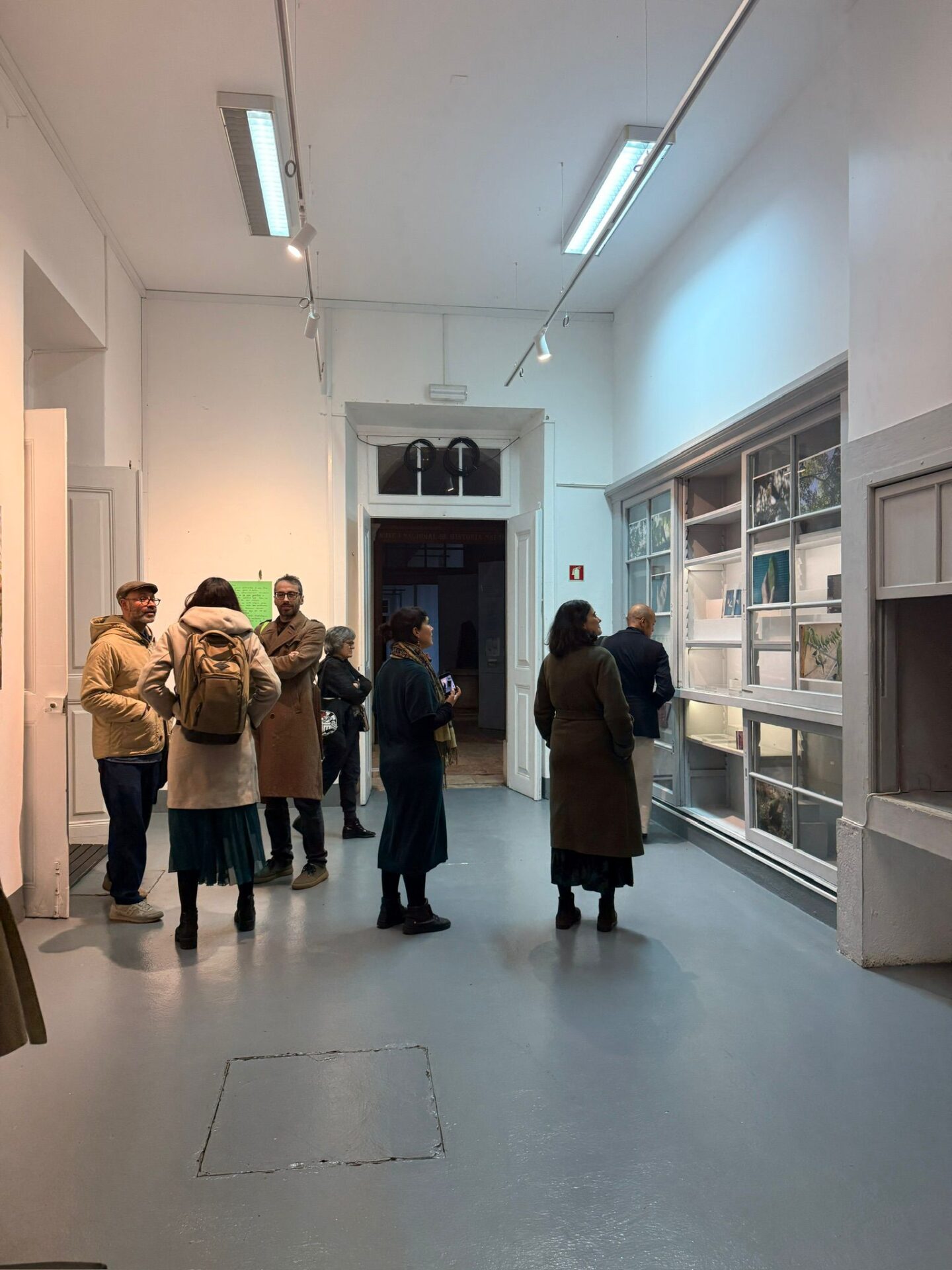
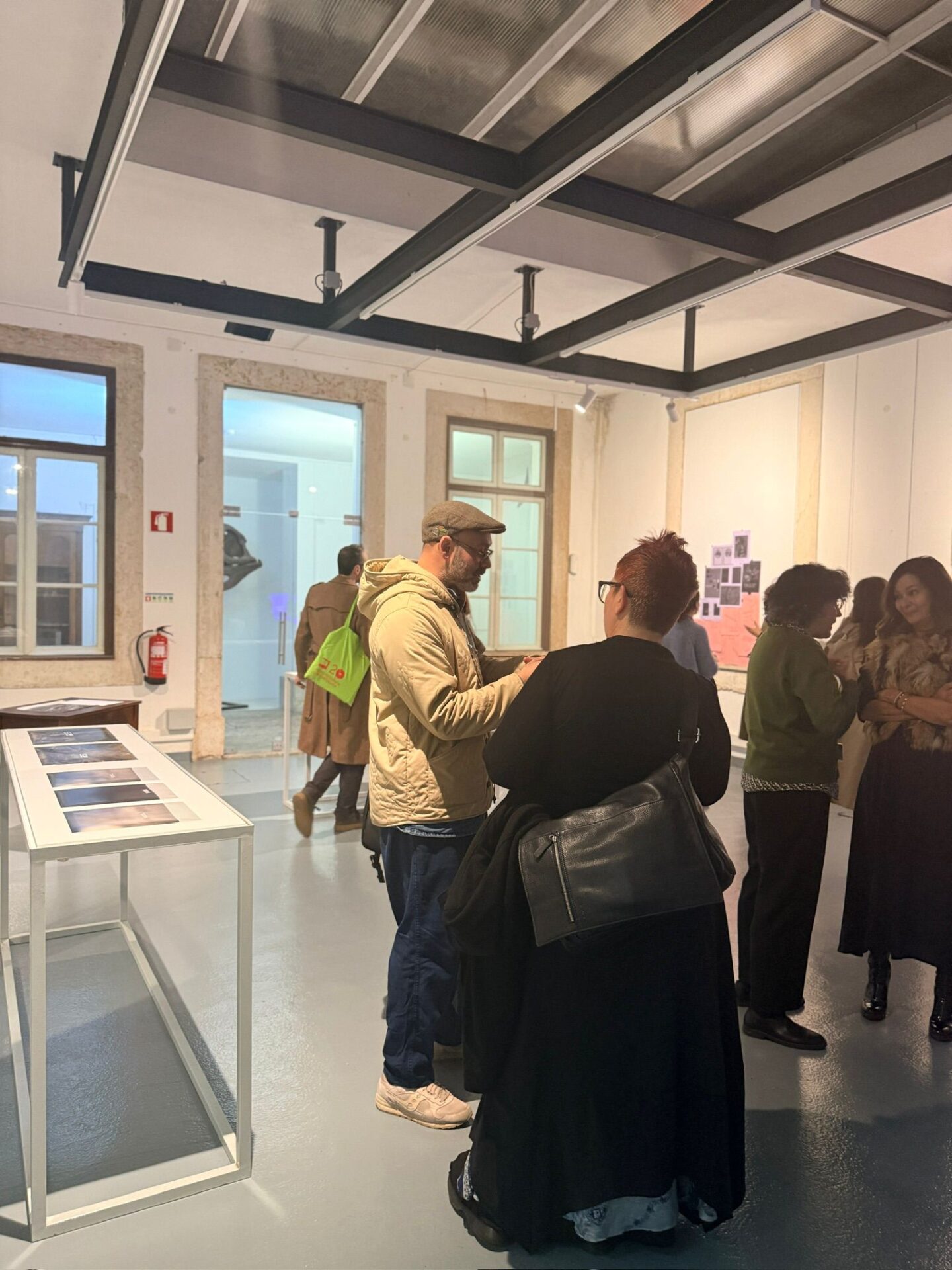
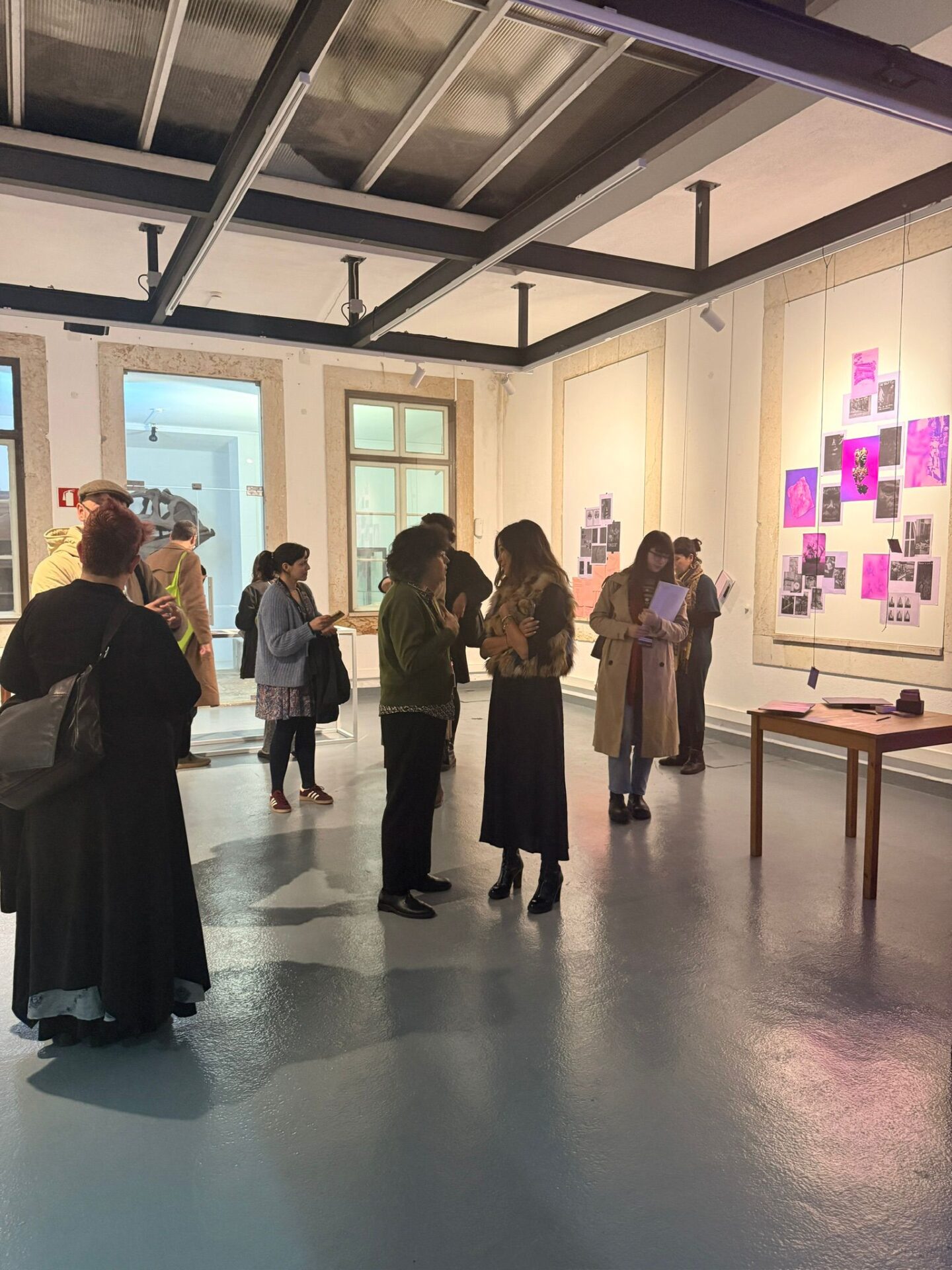
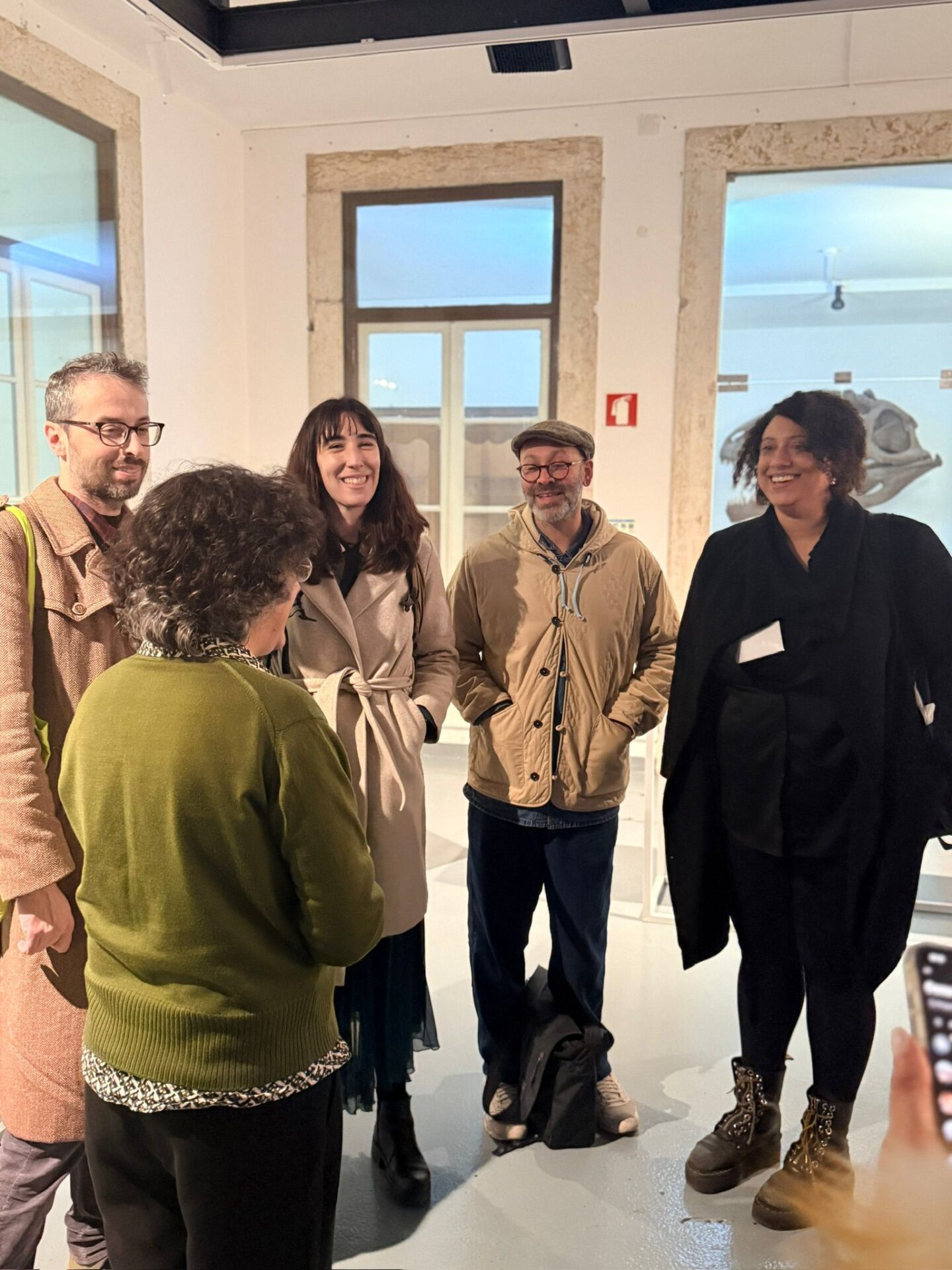
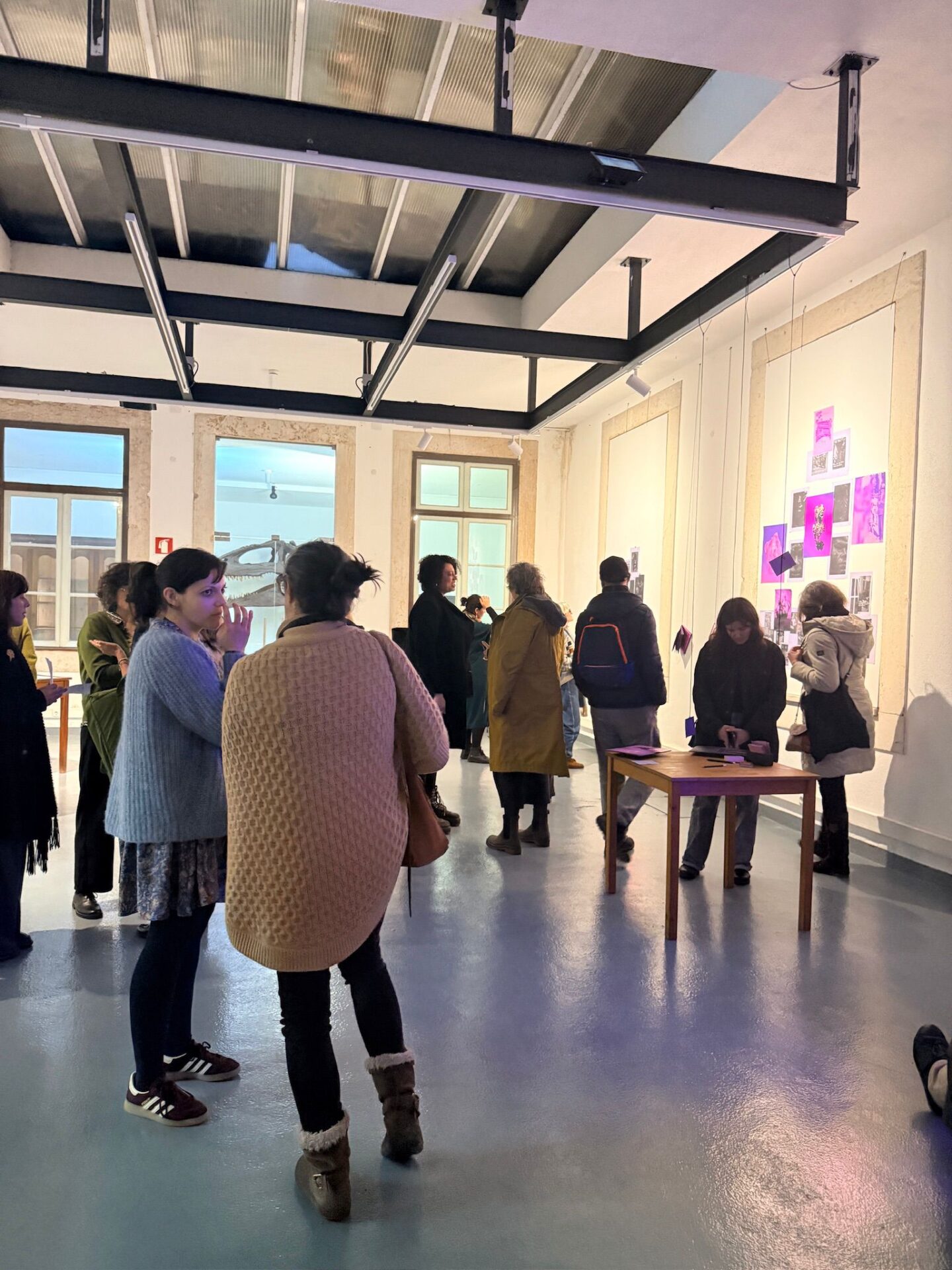
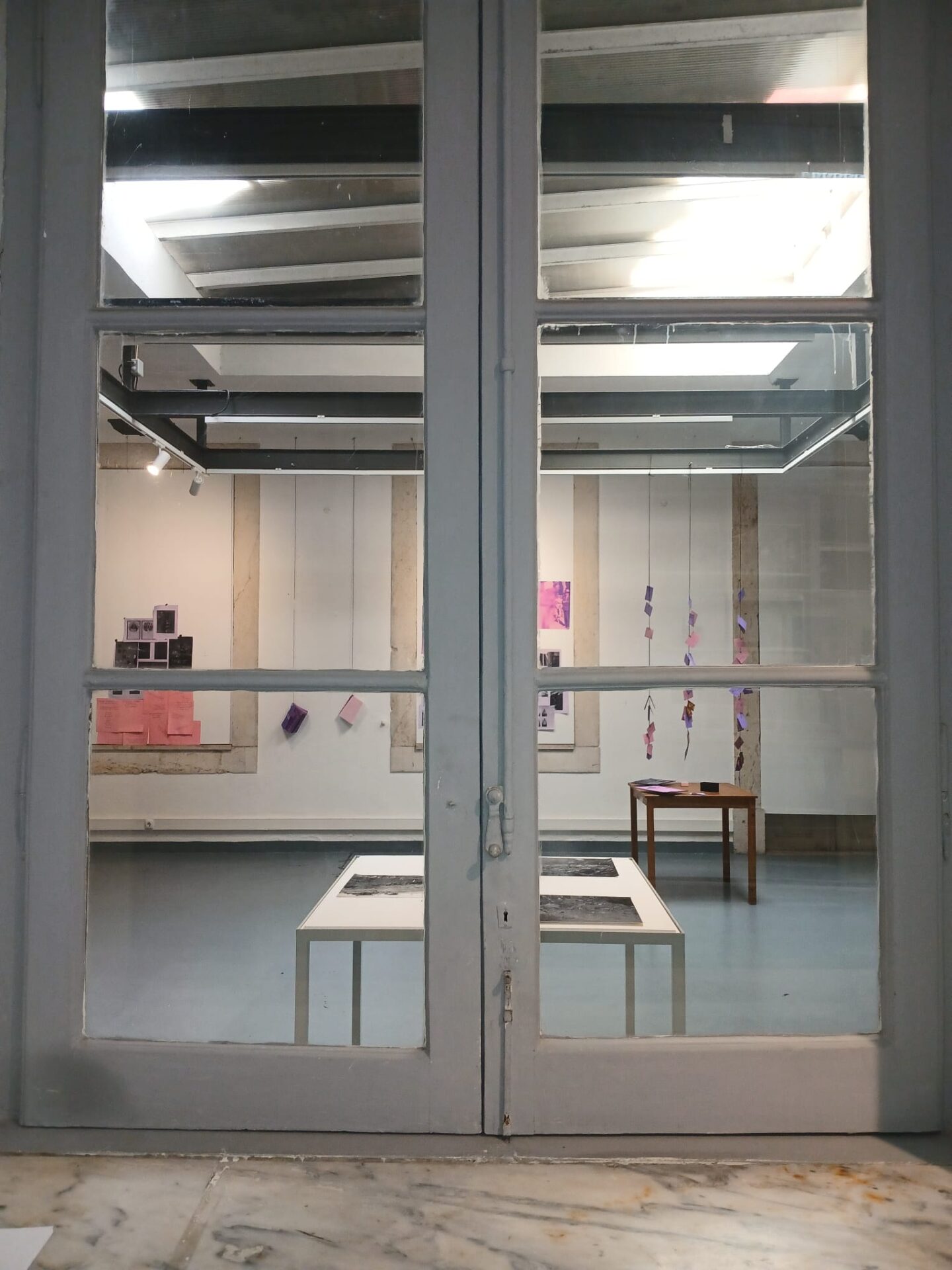
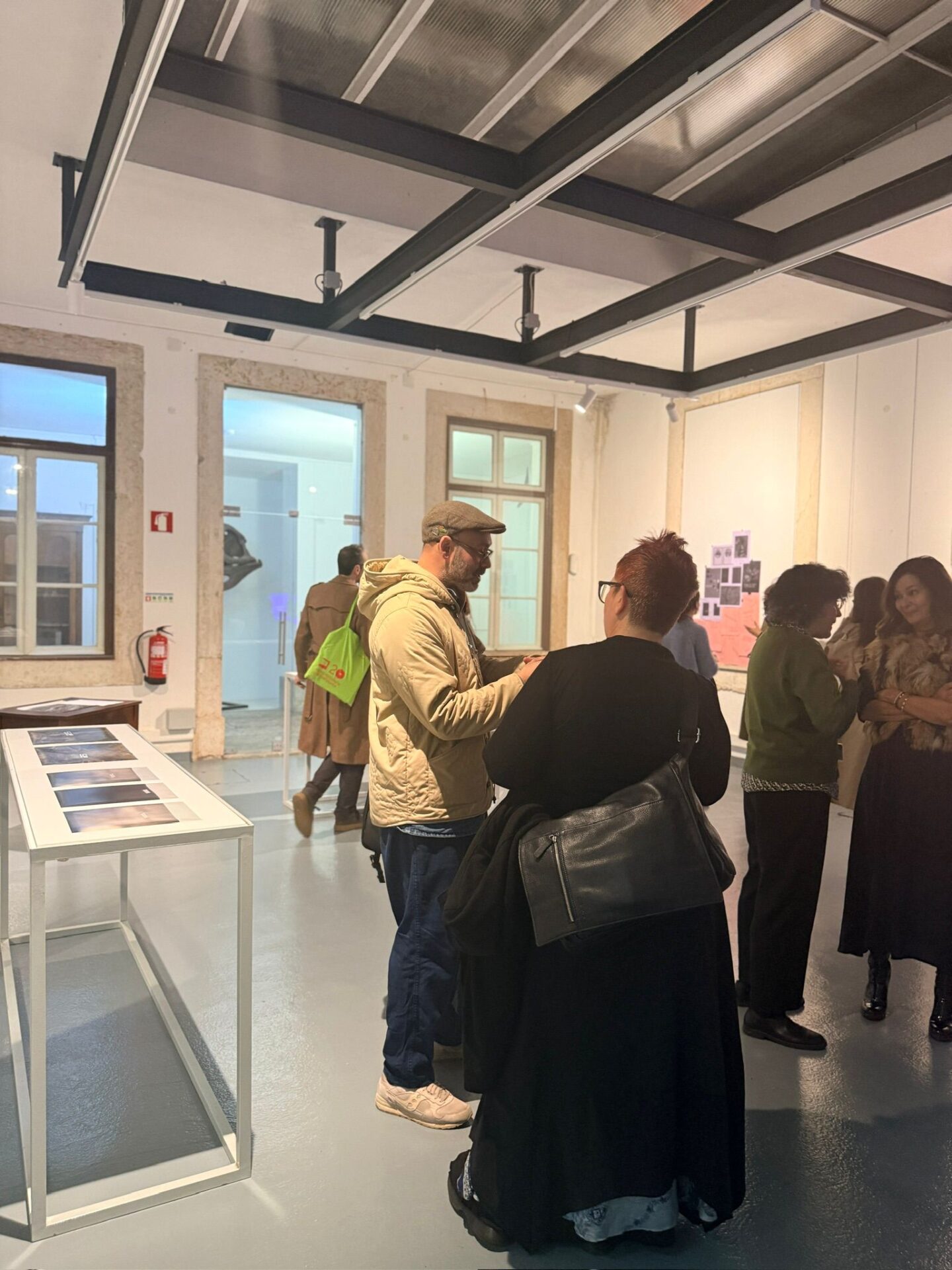
The National Museum of Natural History and Science of the University of Lisbon hosted, between 2 and 13 February, four artistic residencies by Amaia Molinet (Spain), Charmaine d’Heij (NL), Claudio Beorchia (Italy), and Paul Nataraj (UK). These residencies focused on contemporary creation and reflection on colonial heritage, promoting cultural exchange and culminating in a joint exhibition.
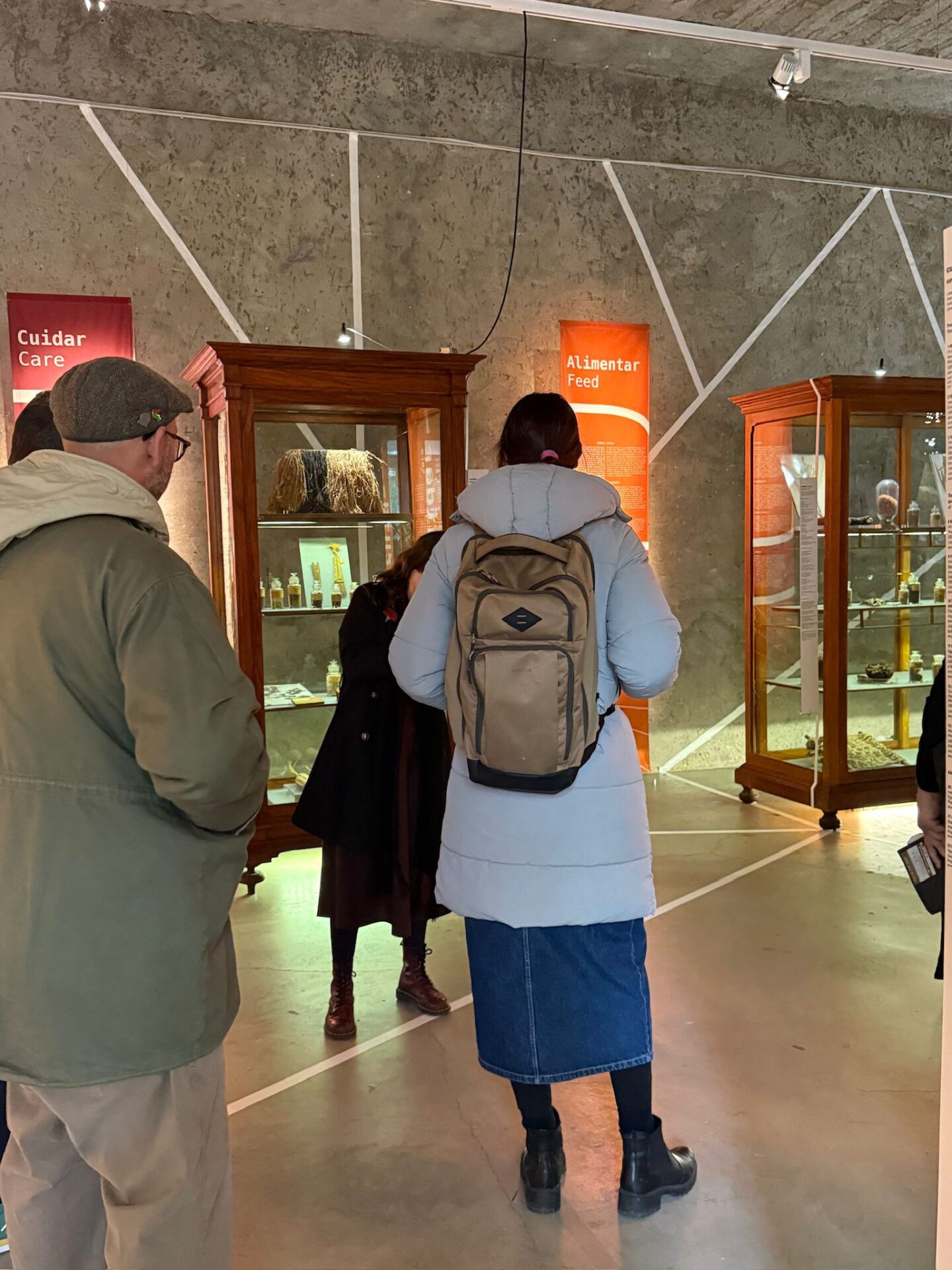
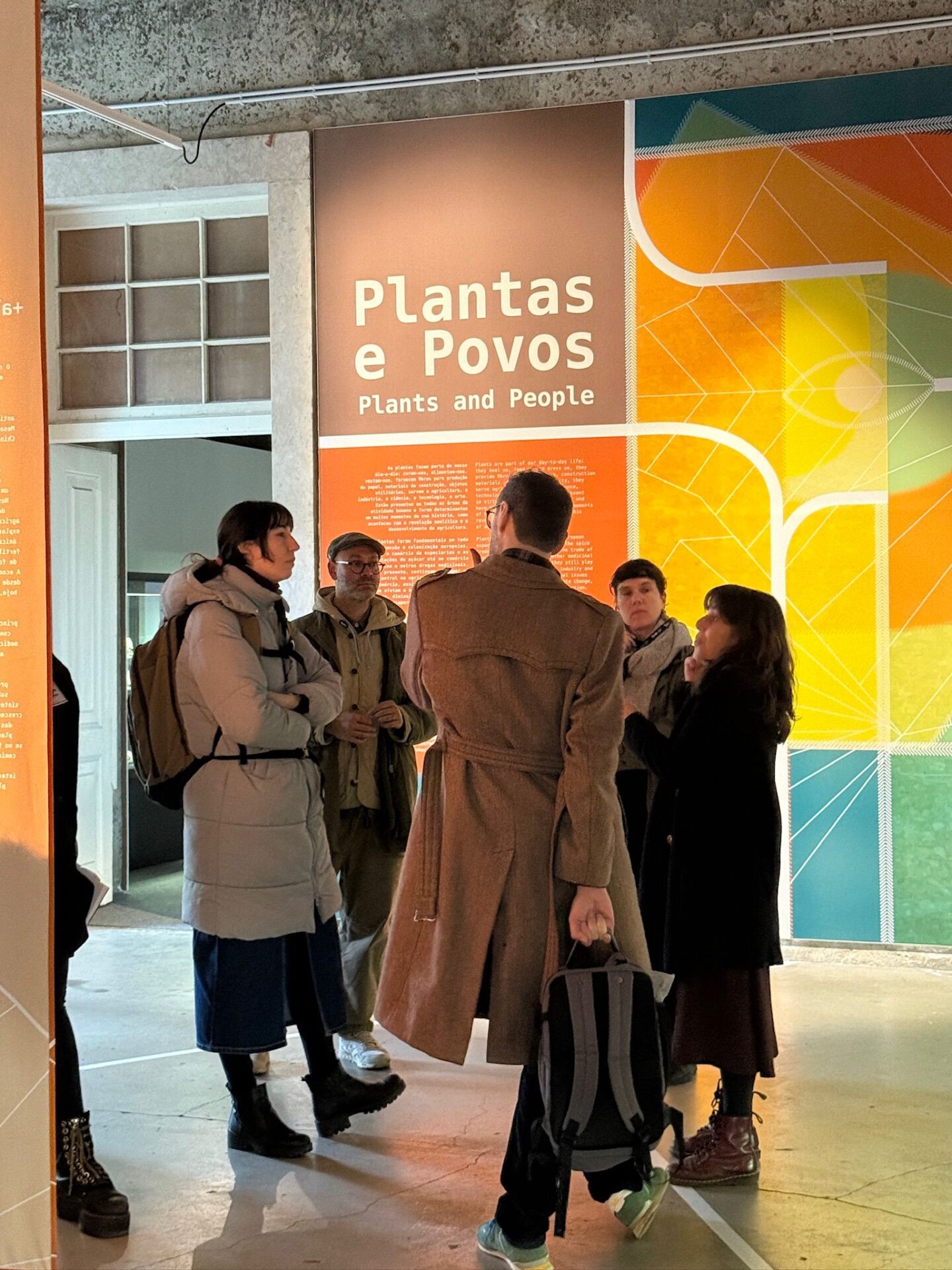
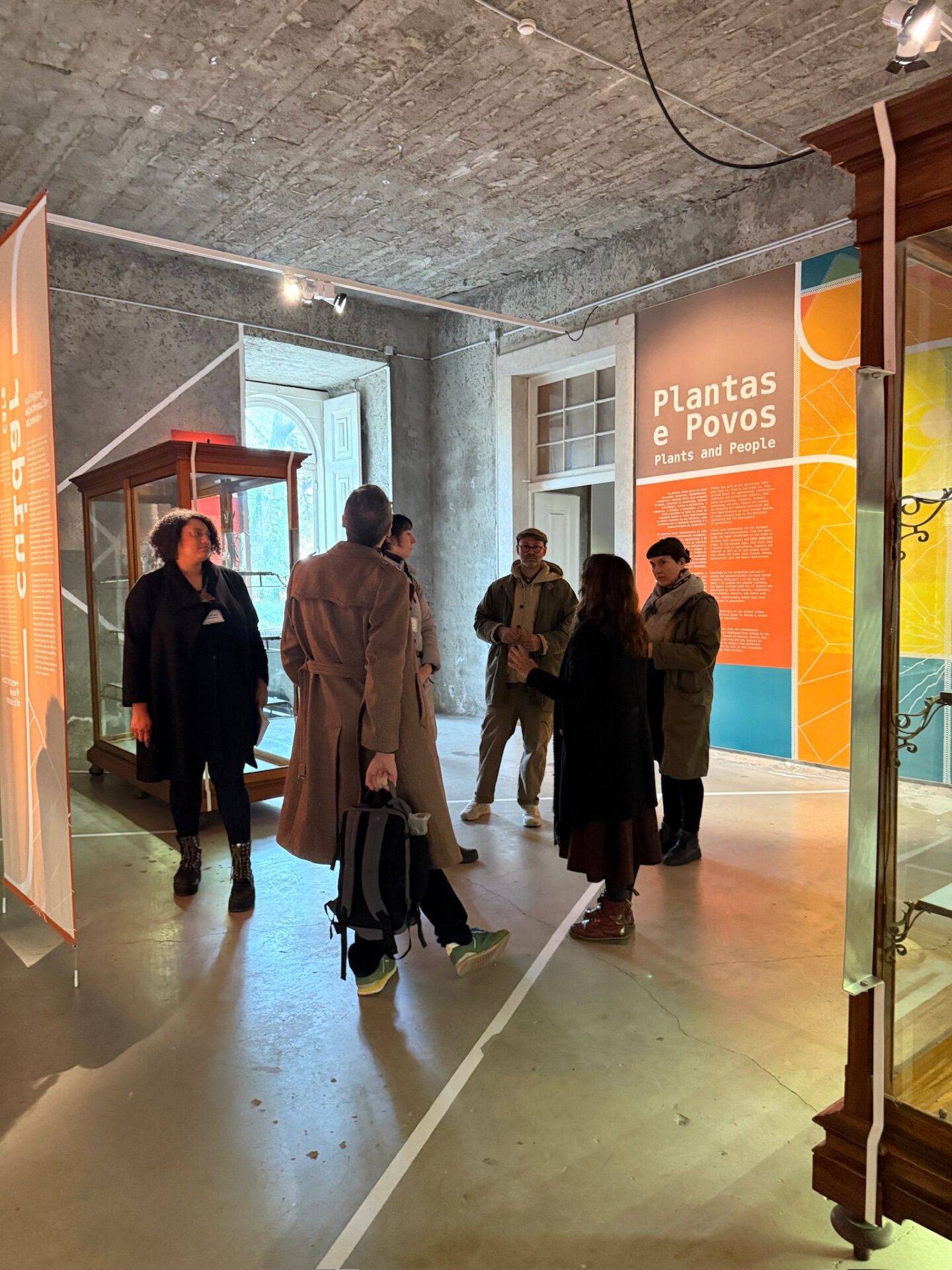
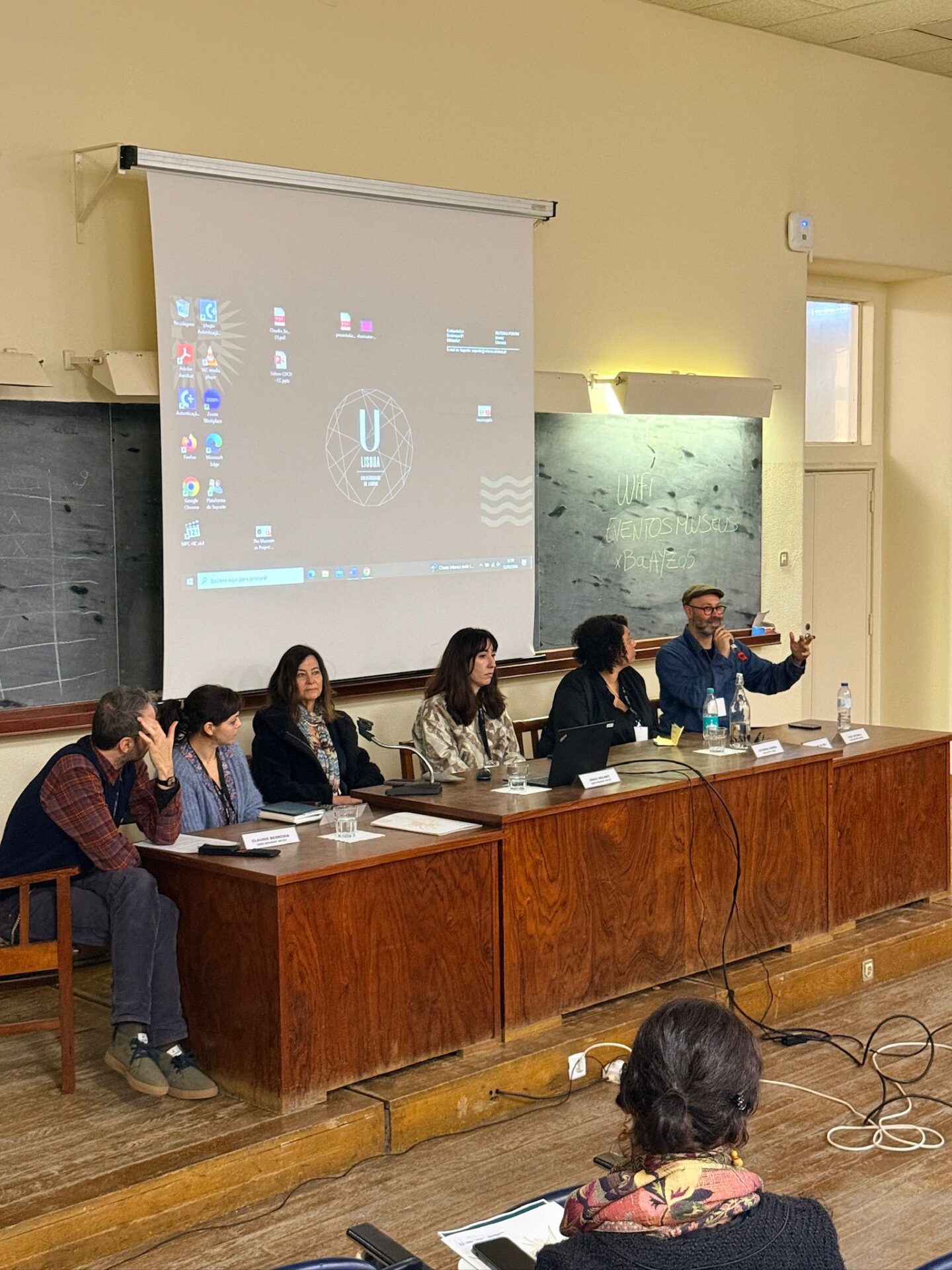
The schedule began with an institutional presentation, followed by visits to several collections, namely the Tropical Botanical Garden, the colonial ethnography collection, and the herbaria. After these visits, the installation of the artists’ projects began, with curatorial support. There was also an opportunity to participate in a seminar organised within the scope of CDCD, followed by the presentation of their artistic installations. It should be noted that prior work had been carried out with the artists, allowing initial contact with the museum’s collections. Given the short duration of these residencies, there was limited opportunity for engagement with source communities.
Amaia Molinet
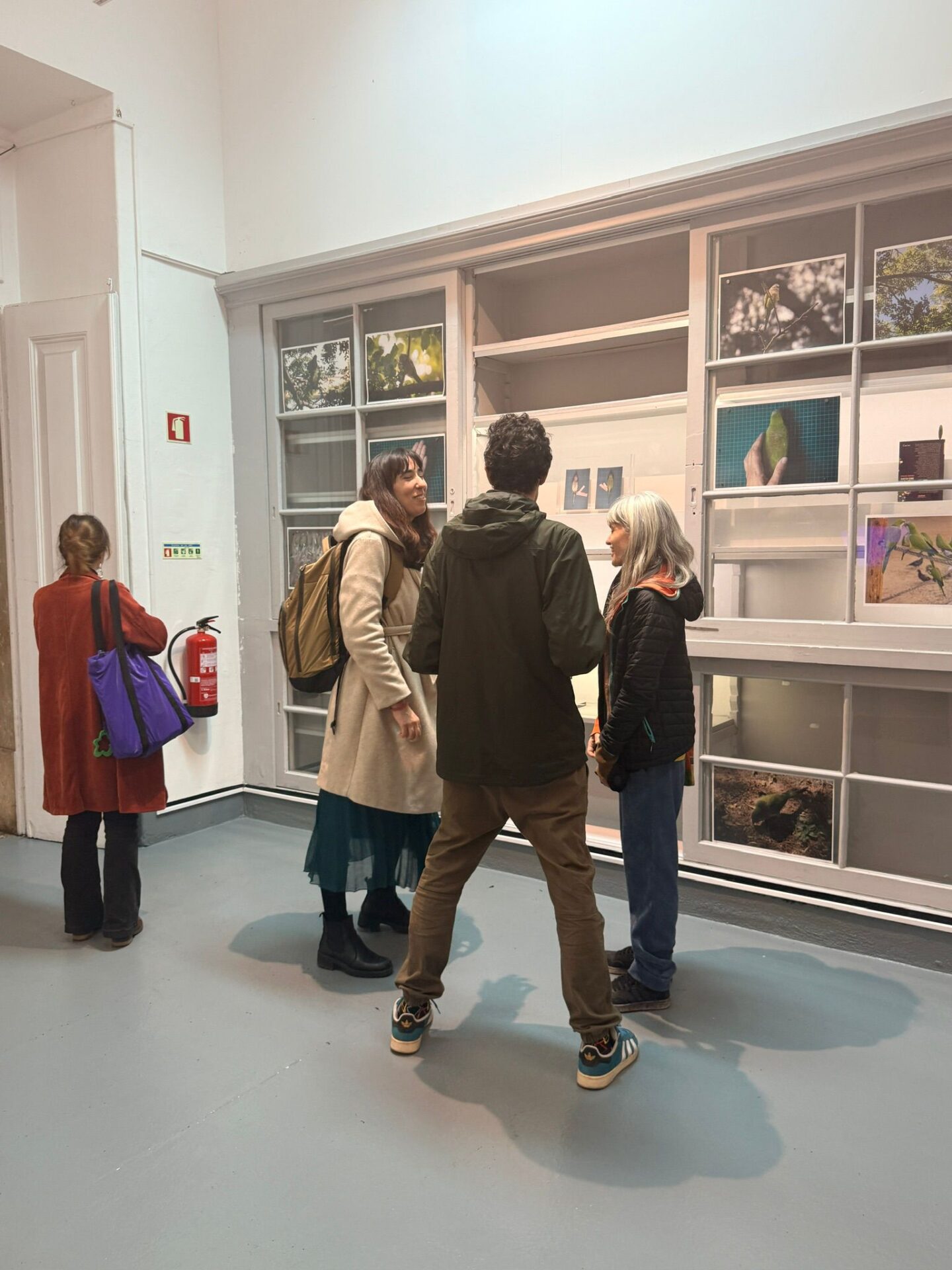
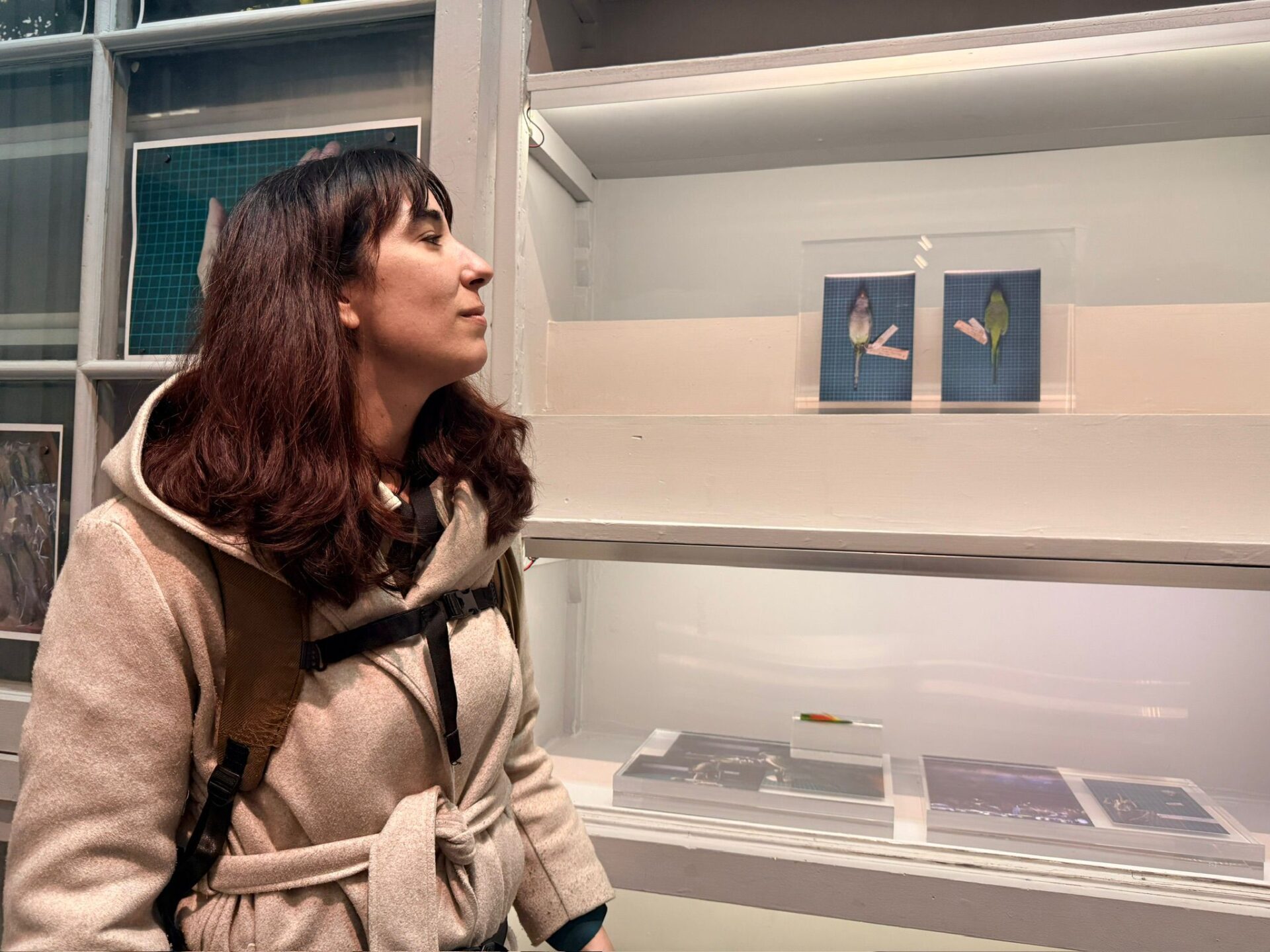
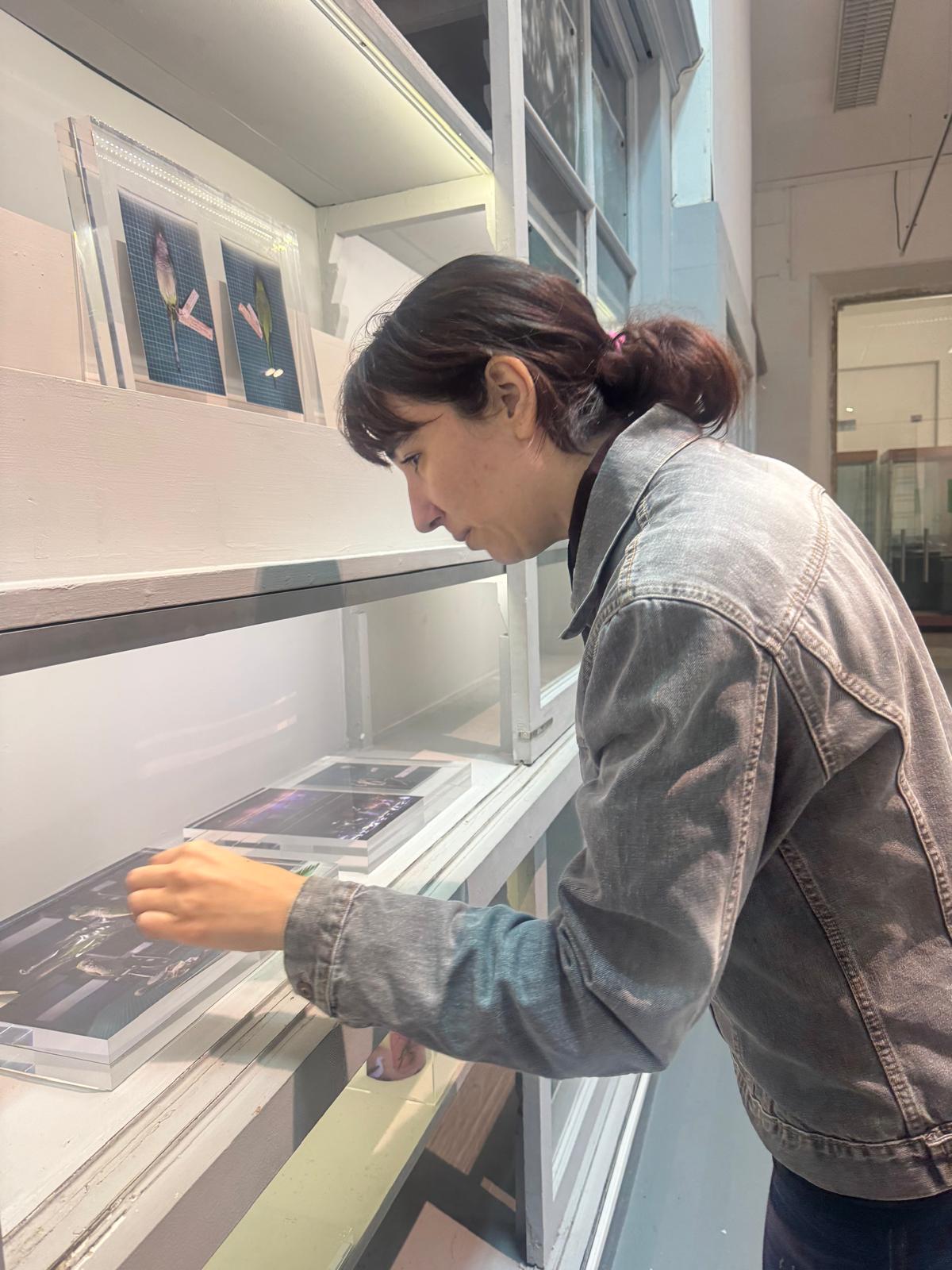
Amaia Molinet’s artistic residency unfolded in a calm and fluid manner, marked by a continuous and well-structured working process. Her work focused on the observation and reflection on monk parakeets (Myiopsitta monachus) in the Iberian Peninsula, a previously defined theme that develops as a metaphor for environmental mutations and migratory processes within a context of colonial heritage. This species, introduced as an exotic animal and currently considered invasive in cities such as Madrid and Barcelona, is also examined through cultural and historical perspectives.
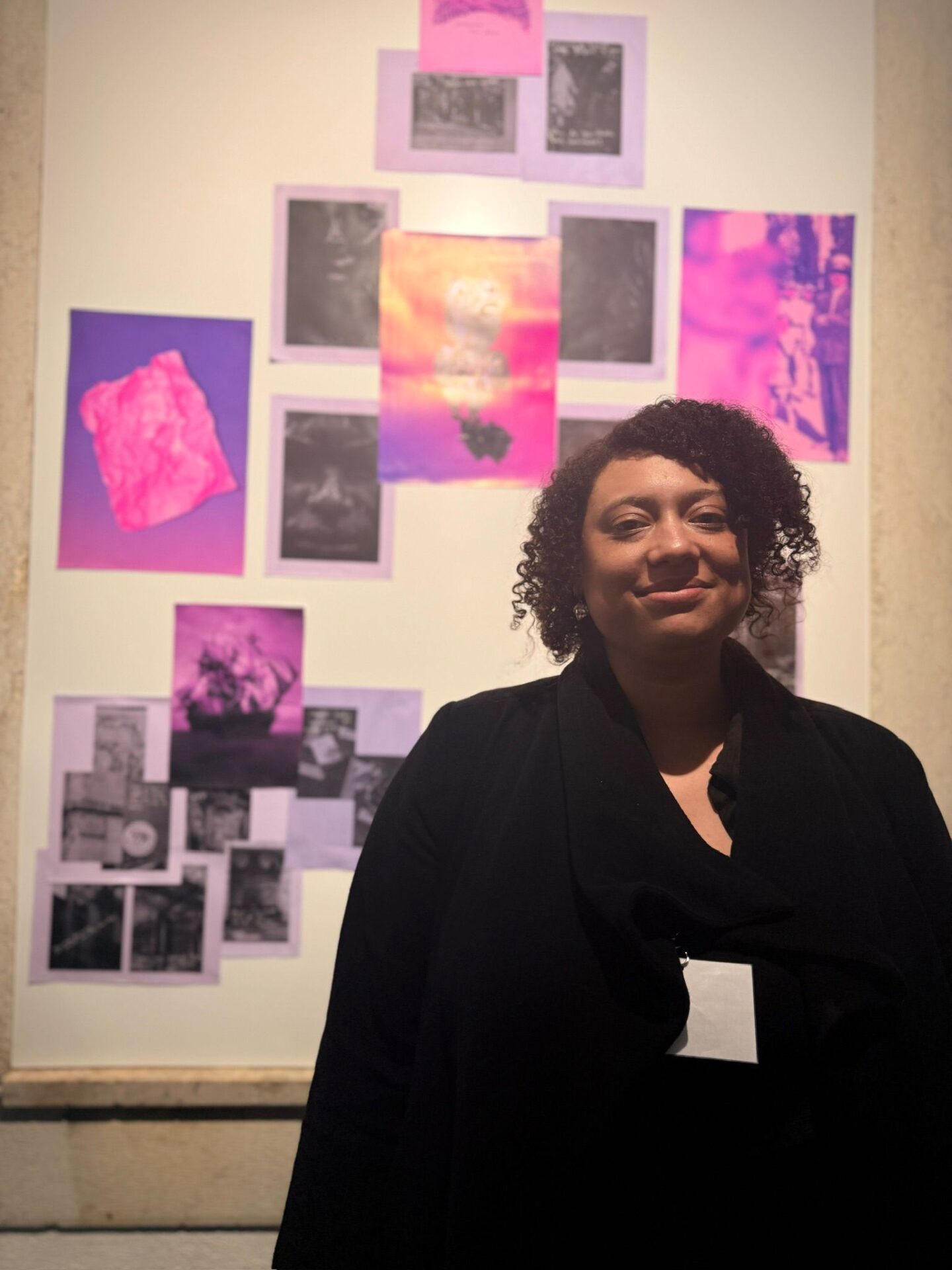
The work presented consisted of an installation at MUHNAC, constructed from images collected in scientific institutions in South America and subsequently adapted to the exhibition space. Despite the presence of this species in Lisbon, it was not possible to integrate it directly into the project due to adverse weather conditions, which limited that dimension of the work. Nevertheless, the final result maintained conceptual coherence and relevance.
Charmaine d’Heij
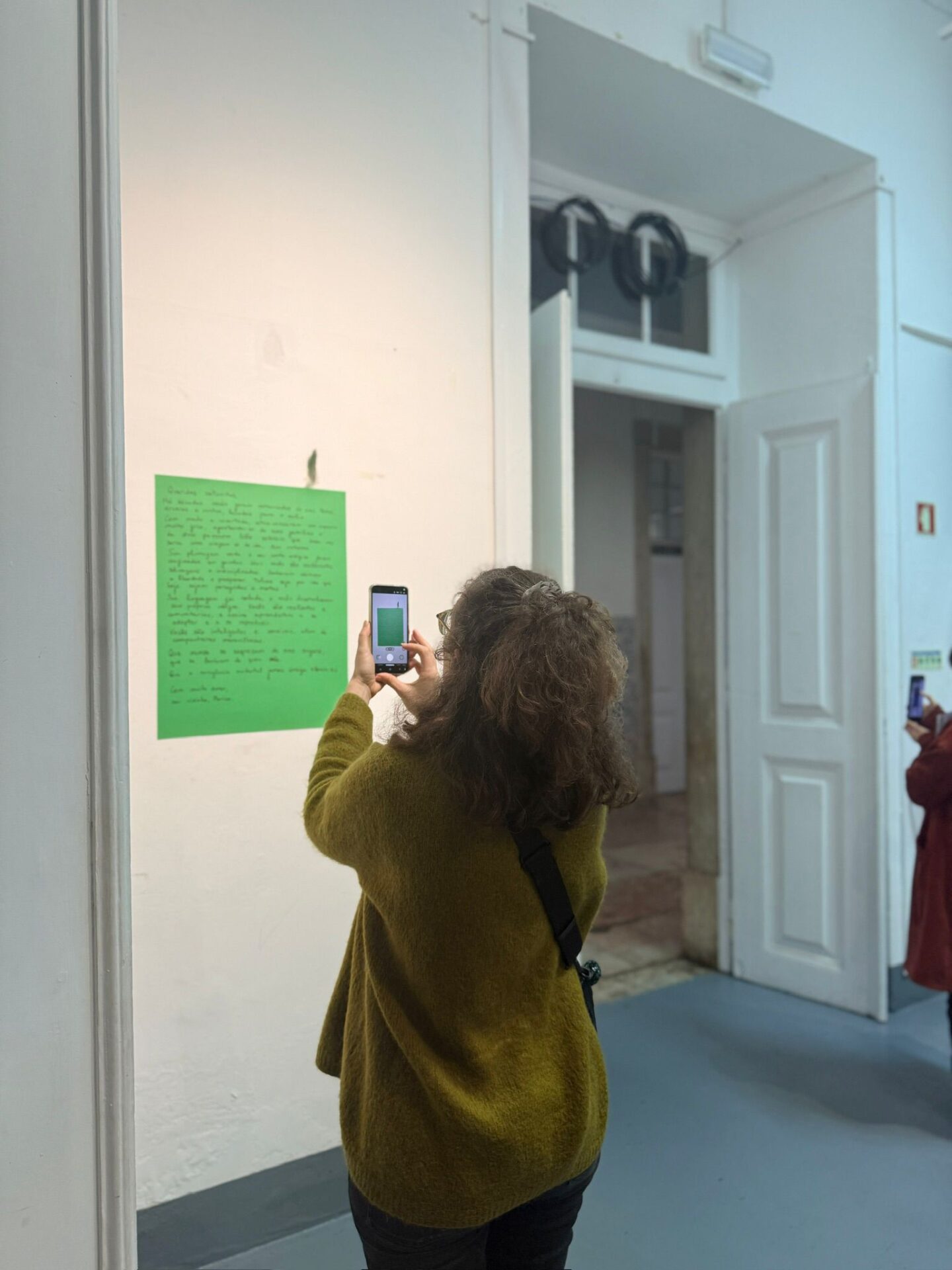
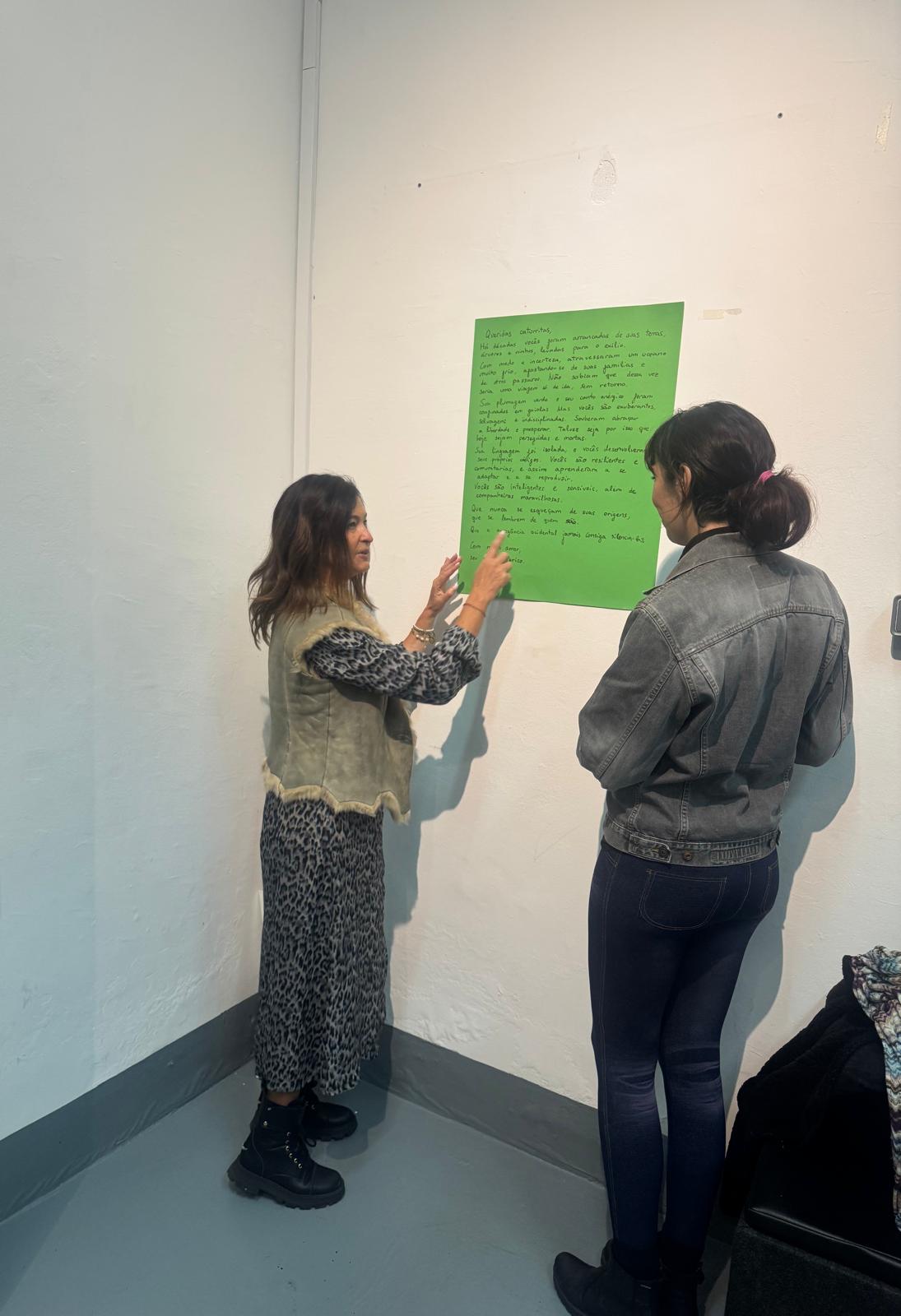
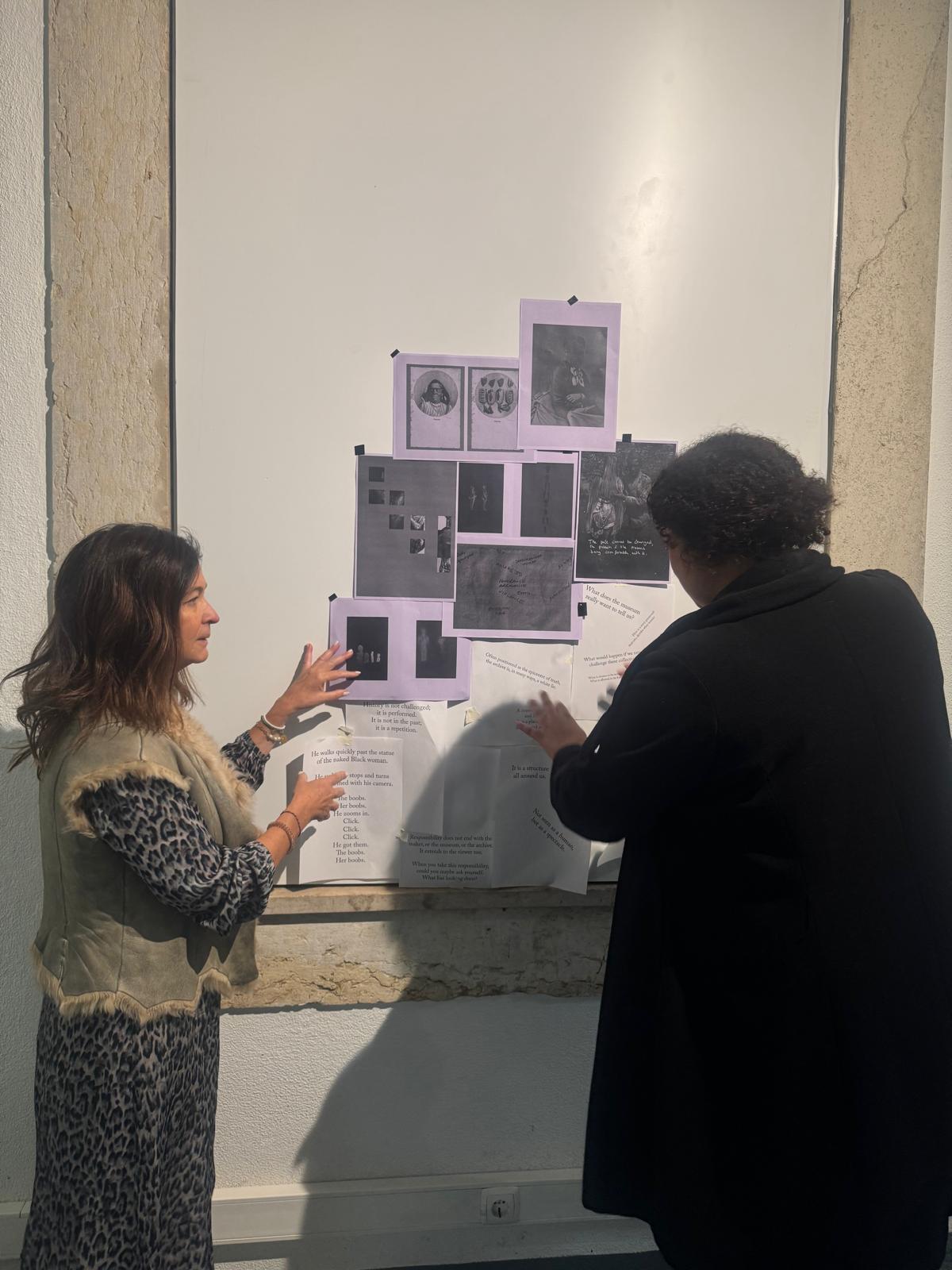
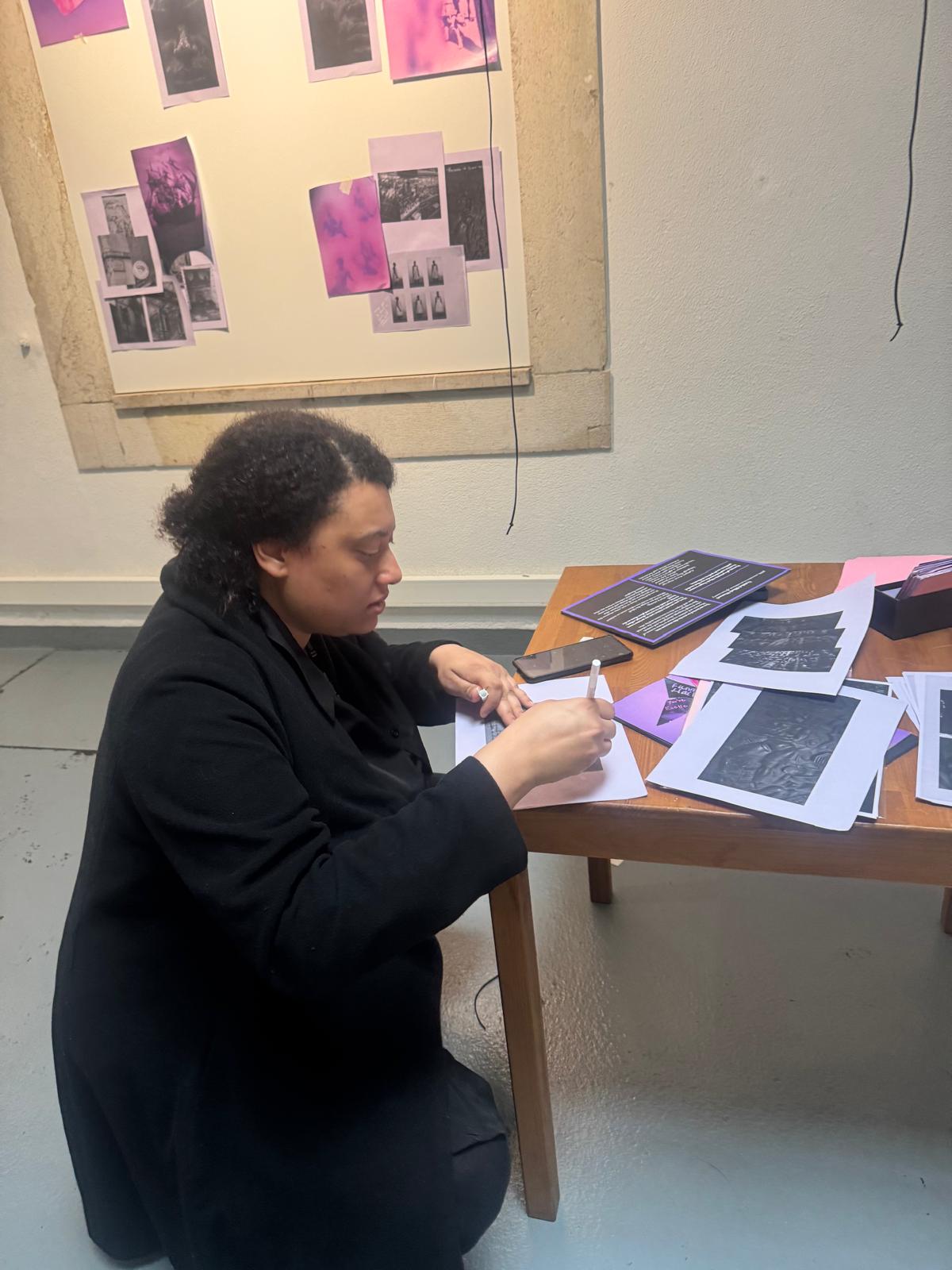
Charmaine d’Heij’s artistic residency integrated consistently into ongoing discussions on the decolonisation of collections and European heritage. Drawing on the photographic collections of MUNHAC, the artist developed an installation distinguished by its thematic relevance and critical approach. The work demonstrated effective adaptation to the exhibition space, combining research, writing, and participatory elements that encouraged audience engagement. The experience contributed to deepening the artist’s reflection on colonialism and museological practices within a receptive institutional context. Despite challenges related to budget constraints and the short duration of the residency, the participation proved significant for the development of her practice and for the broader debate on reinterpreting historical collections.
Paul Nataraj
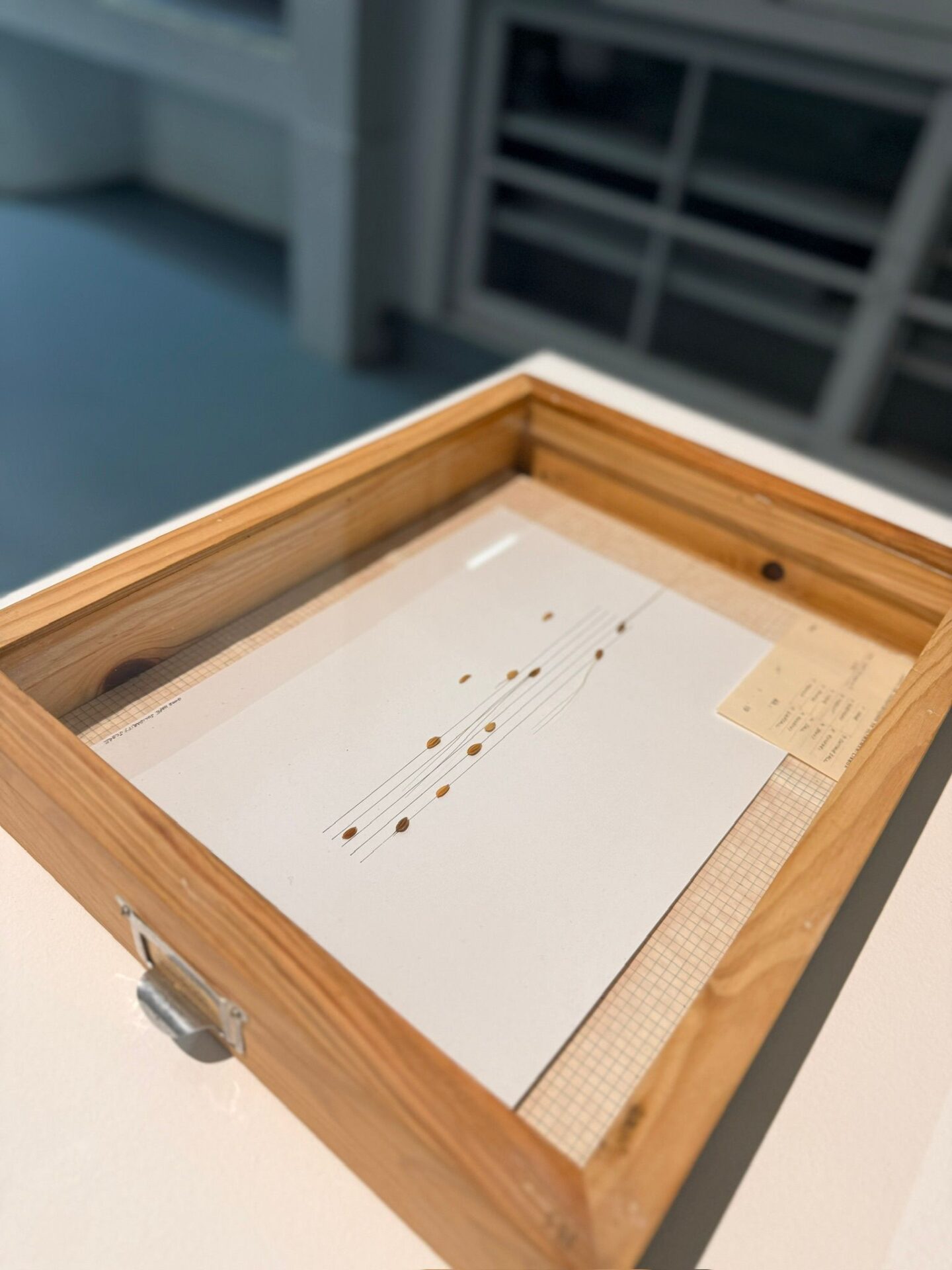
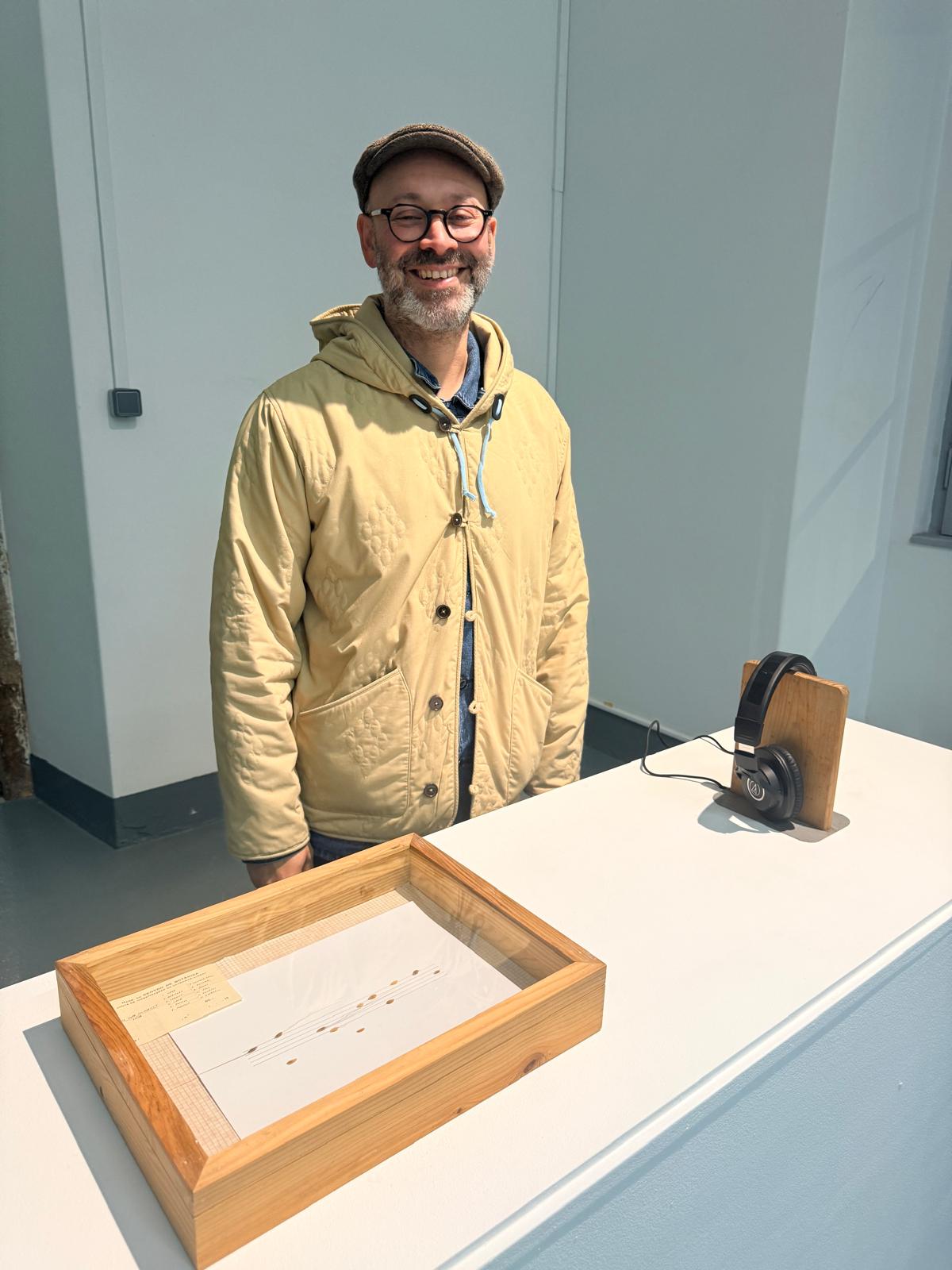
The artist’s residency resulted in the presentation of Good Hope Solidarity Score, a triptych combining sound, installation, and sculptural elements, rooted in a critical engagement with histories of colonialism. Drawing on references such as Vasco da Gama’s voyage and materials from the museum’s herbarium, the work articulated a collaborative and process-driven approach. Central to the project was an open call that informed a collective sound piece, reflecting the artist’s commitment to shared authorship and decolonising practices that challenge hierarchies and conventional modes of production. The residency fostered the development of the artist’s research-led practice, deepening its alignment with decolonial methodologies. Access to the herbarium and institutional support were identified as key strengths, enabling the realisation of the work. Despite limitations in curatorial engagement and time constraints, the experience contributed meaningfully to the evolution of the project and its conceptual framework.
Claudio Beorchia
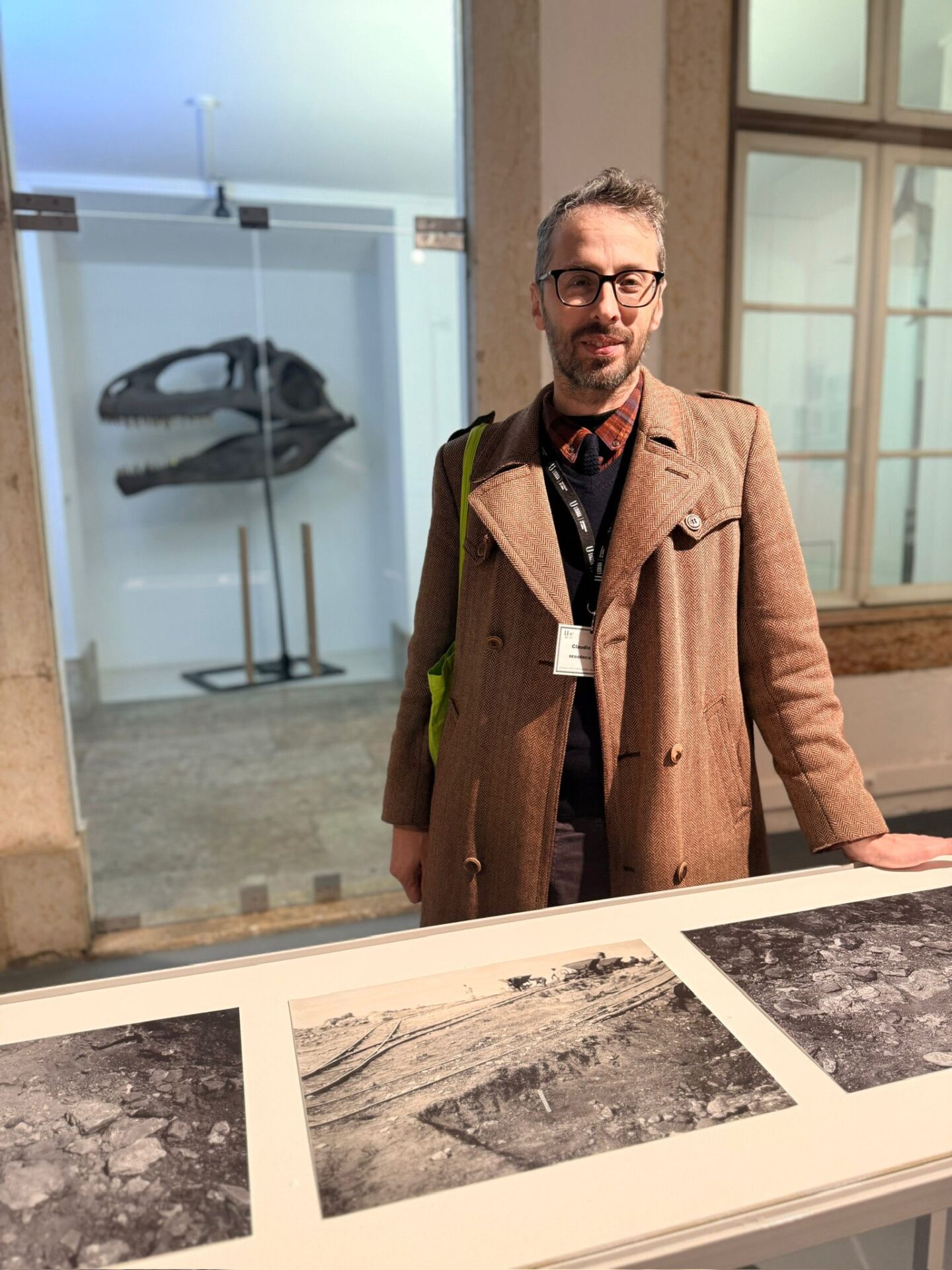
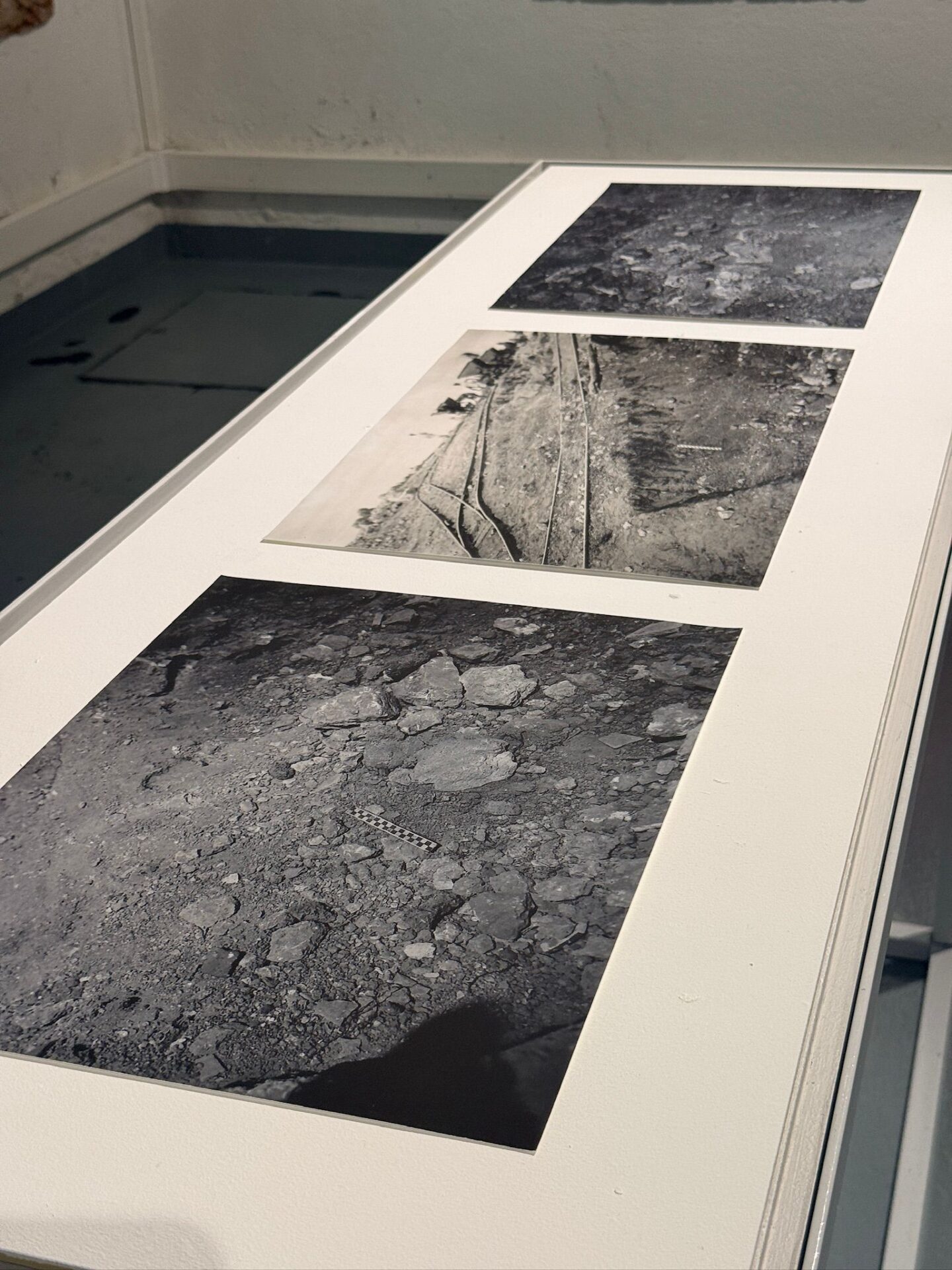
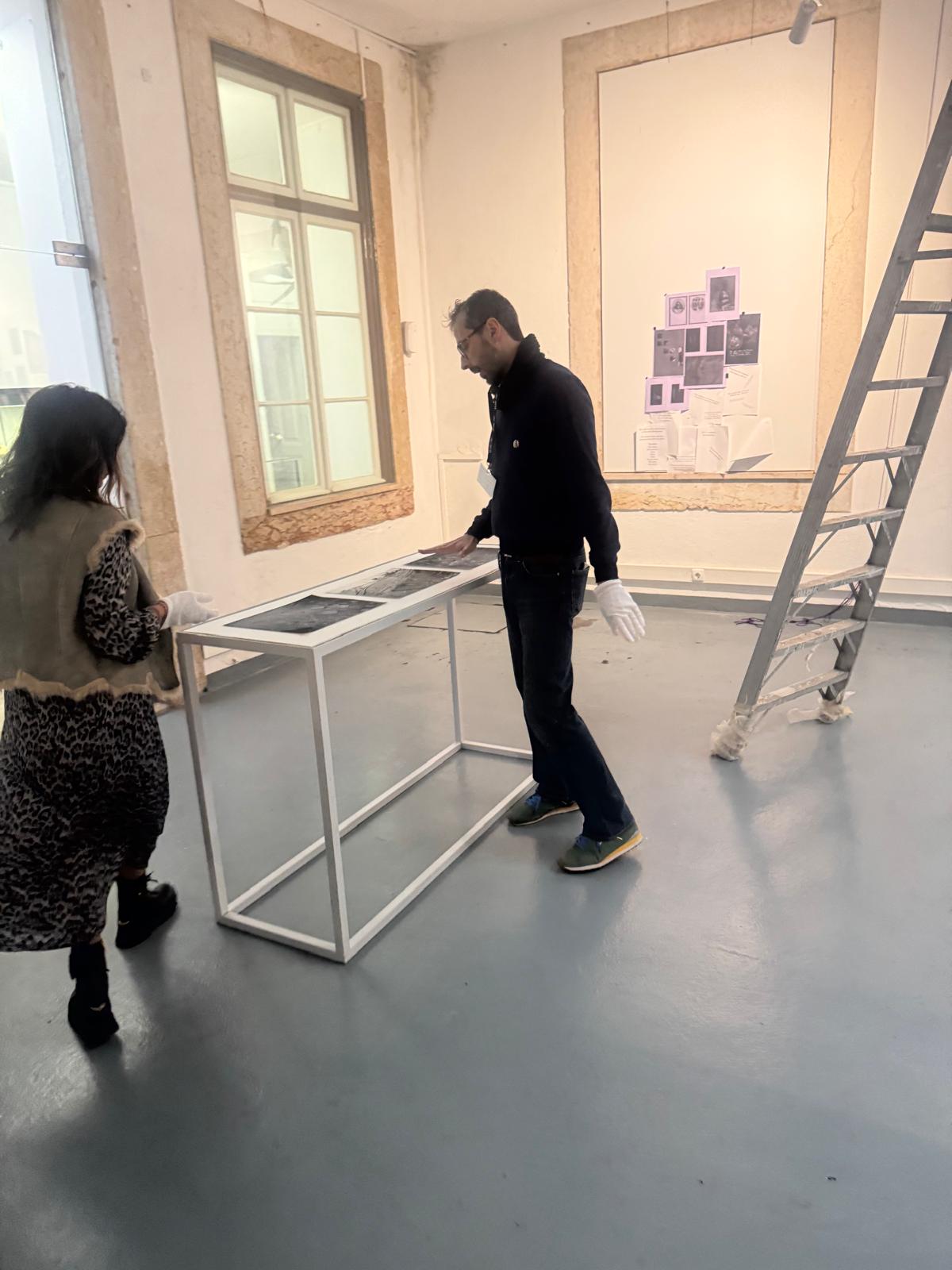
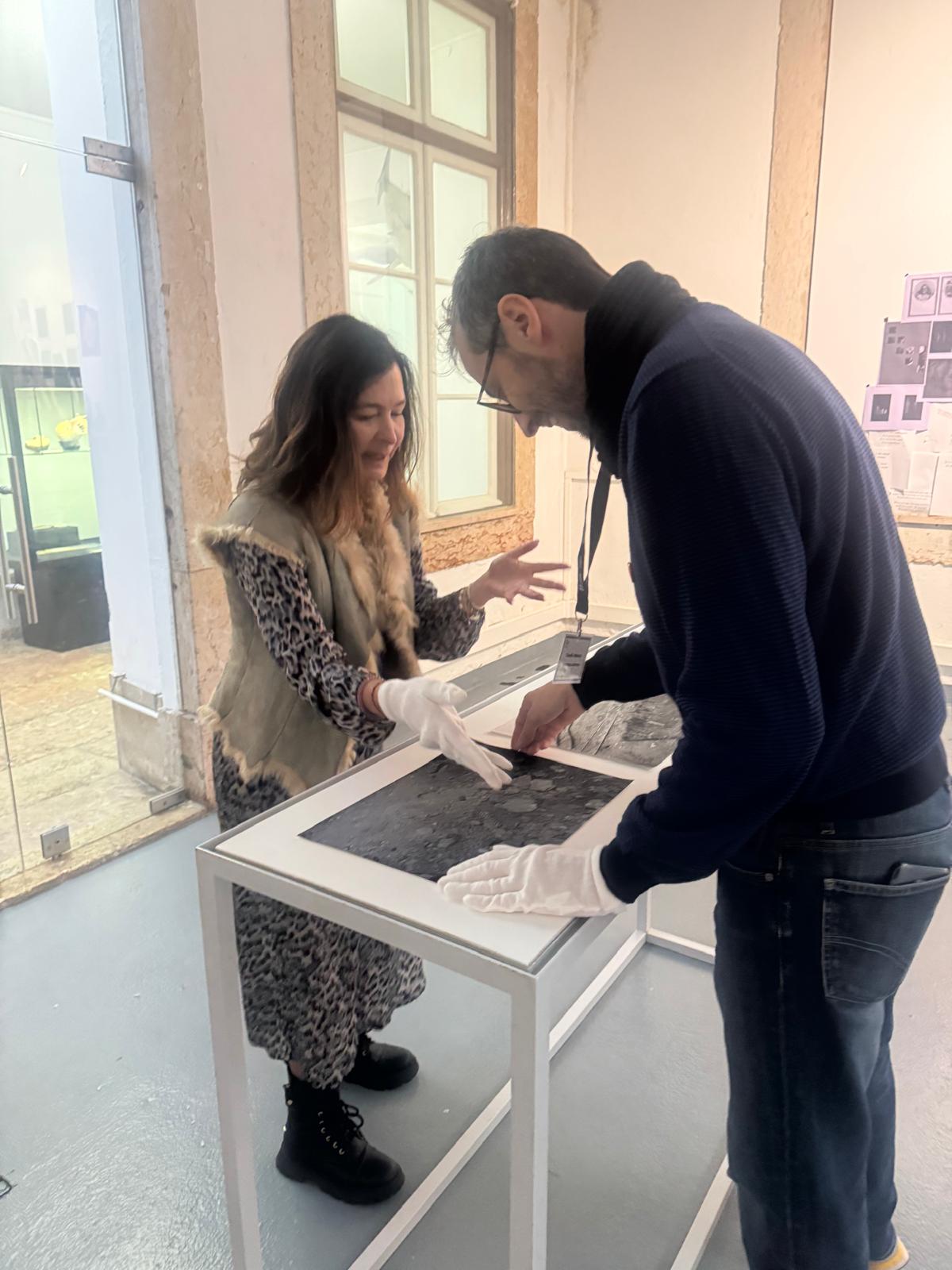
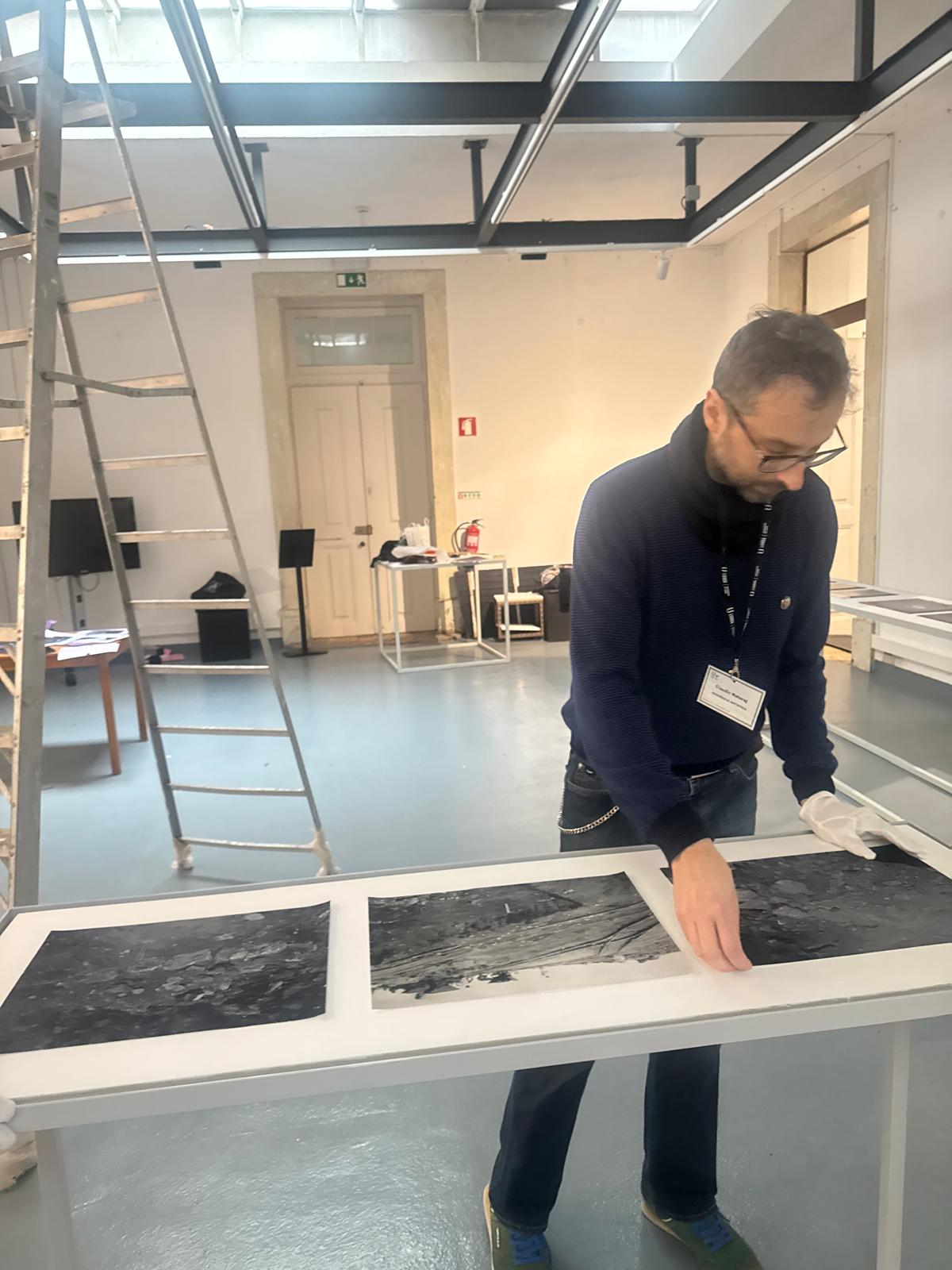
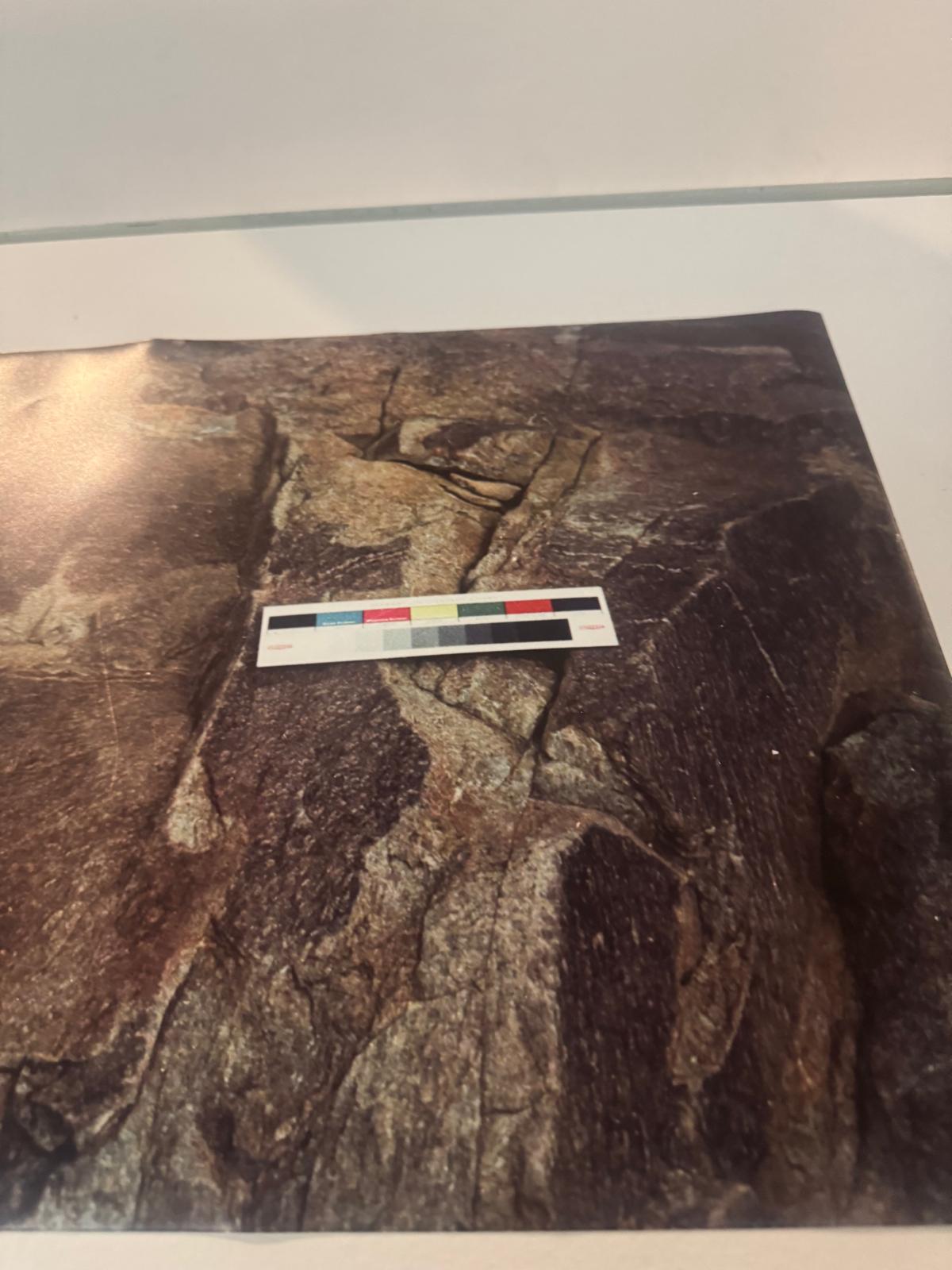
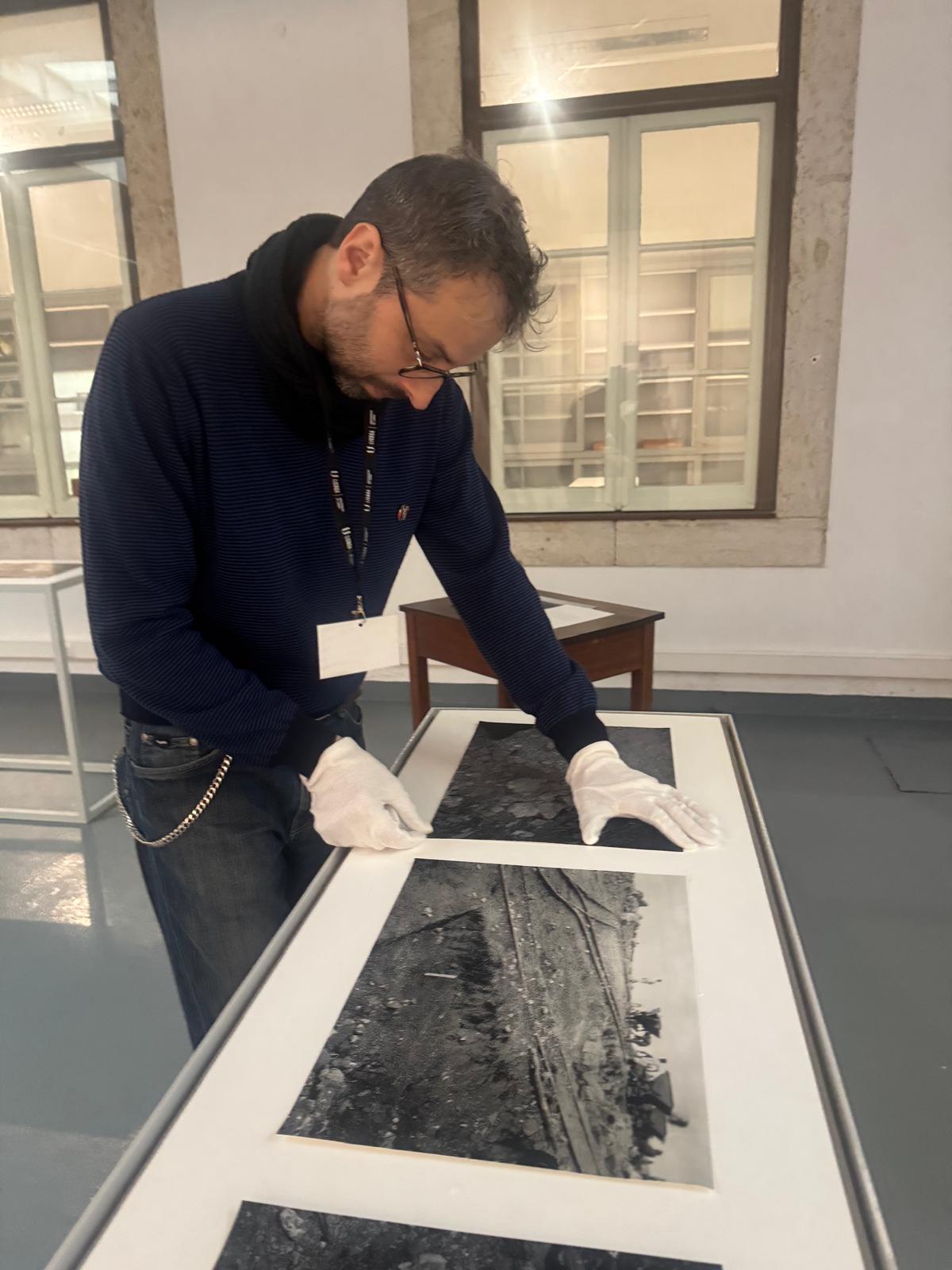
Claudio Beorchia’s artistic residency focused on the issue of scale in archaeological photography, exploring its role as an element that can assume prominence and trigger processes of appropriation. Starting from a previously defined concept, the artist developed a display that incorporated reworked images from photographic archives, including the MUNHAC collection, reinforcing the site-specific nature of the work. The proposal also included a conceptual and performative dimension, deepening the critical reflection on the colonial legacy embedded in images and museological contexts. Despite limitations related to the duration of the residency and institutional constraints, the experience proved relevant for the development of new perspectives and future possibilities for the project.