

Capacity-Building Workshop in Amsterdam: Who is IN and who is Out?
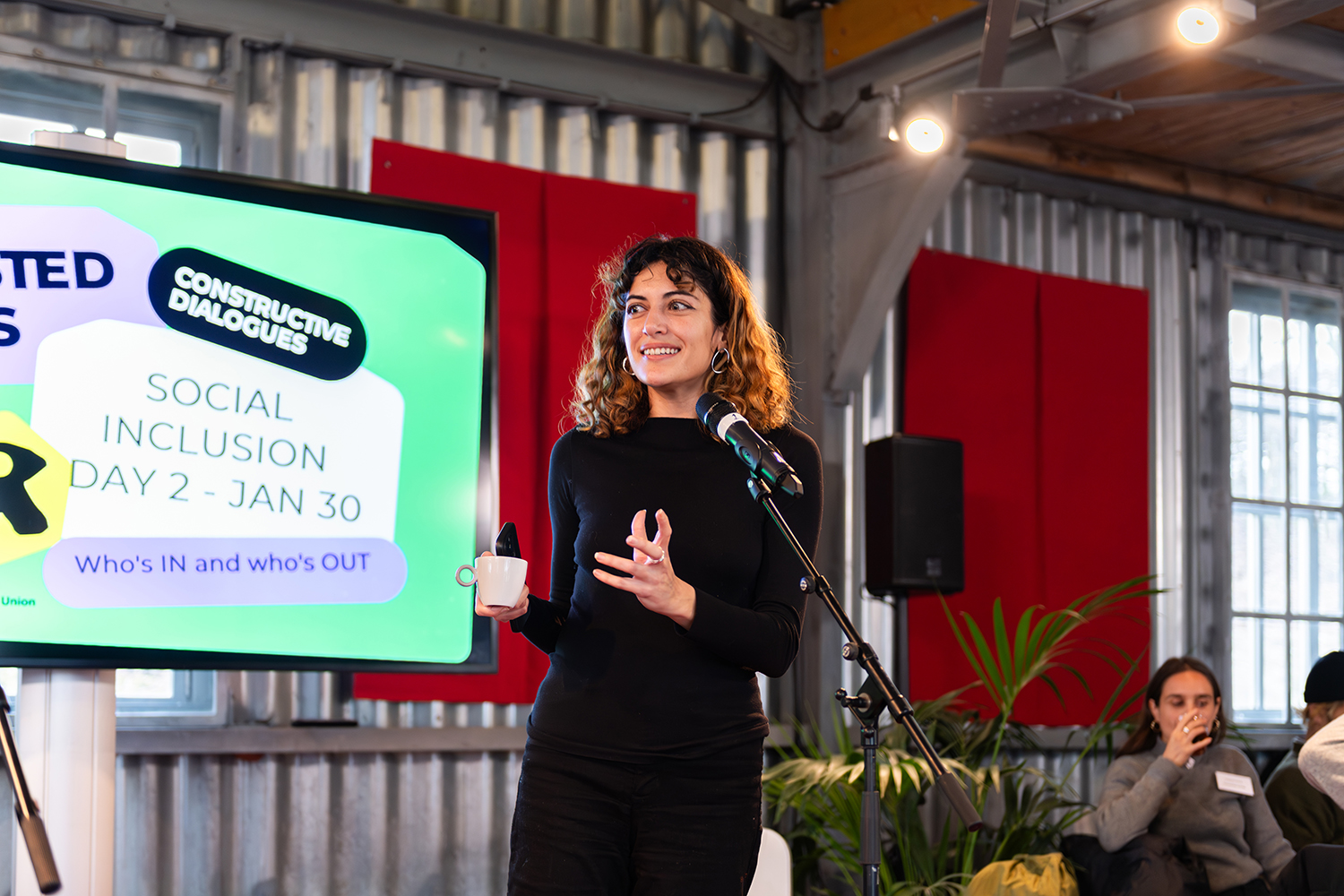
From 28 to 30 January 2026, the third capacity-building workshop of the Contested Desires: Constructive Dialogues project took place in Amsterdam and Vijfhuizen, the Netherlands, under the title Who is IN and who is OUT?
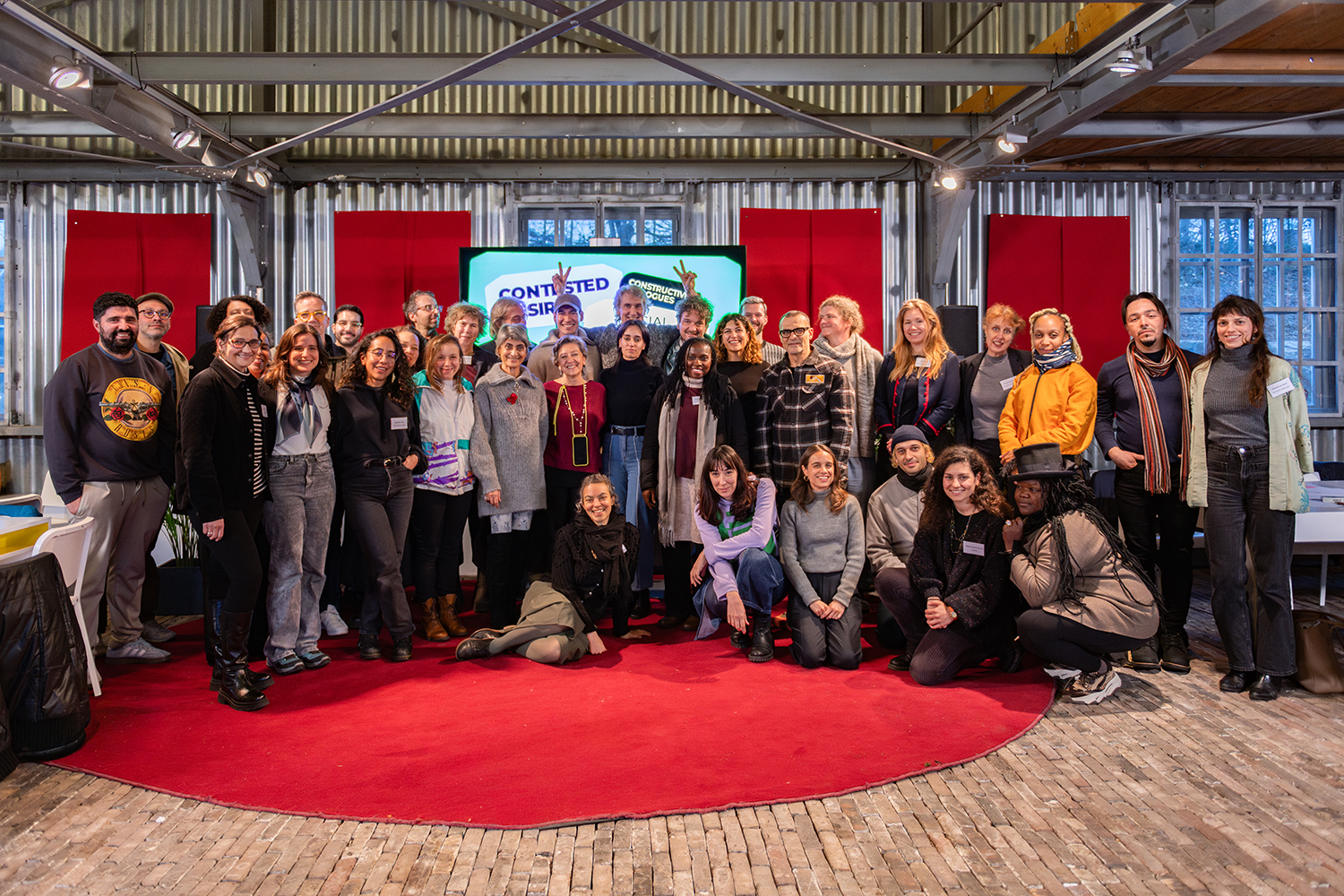
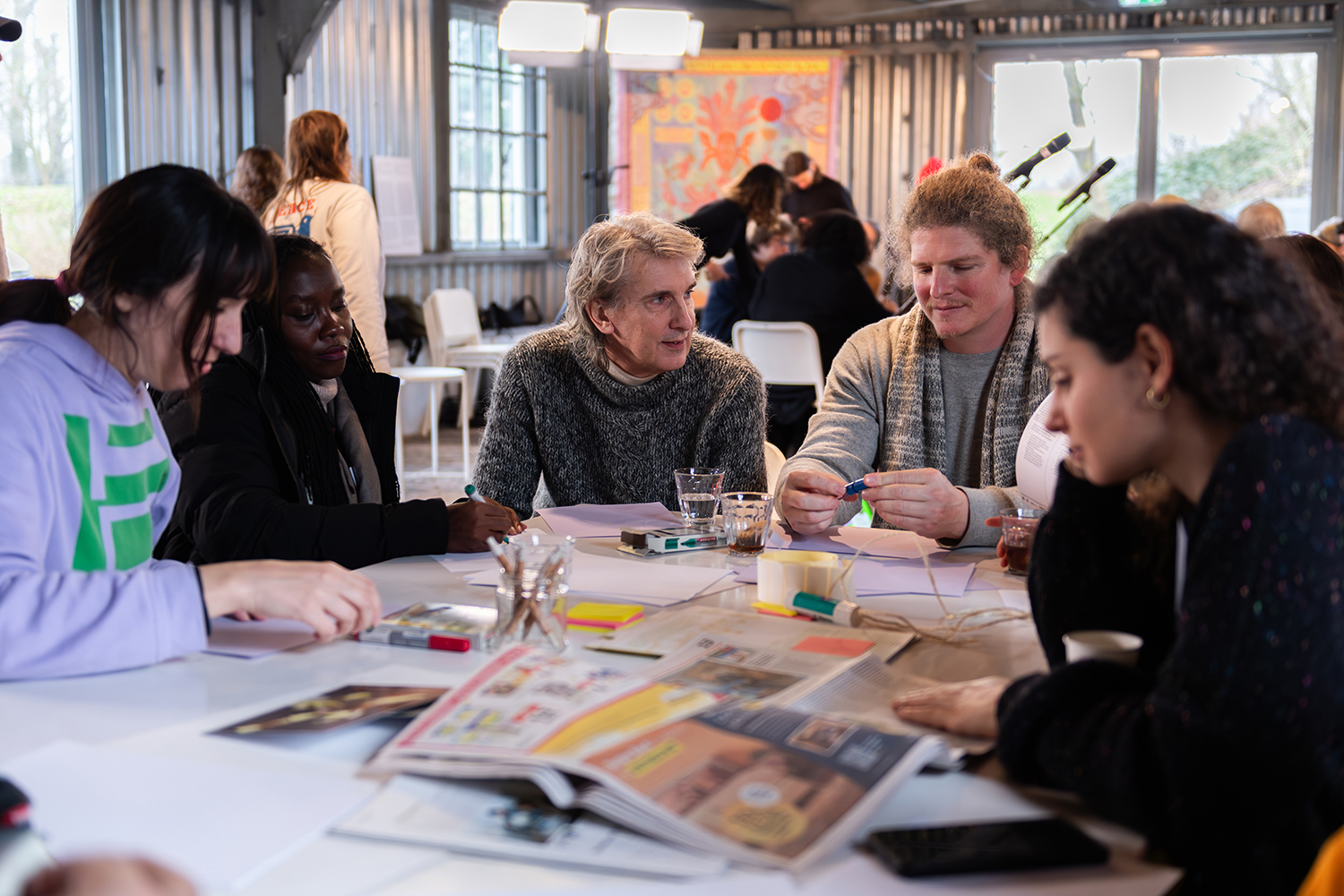
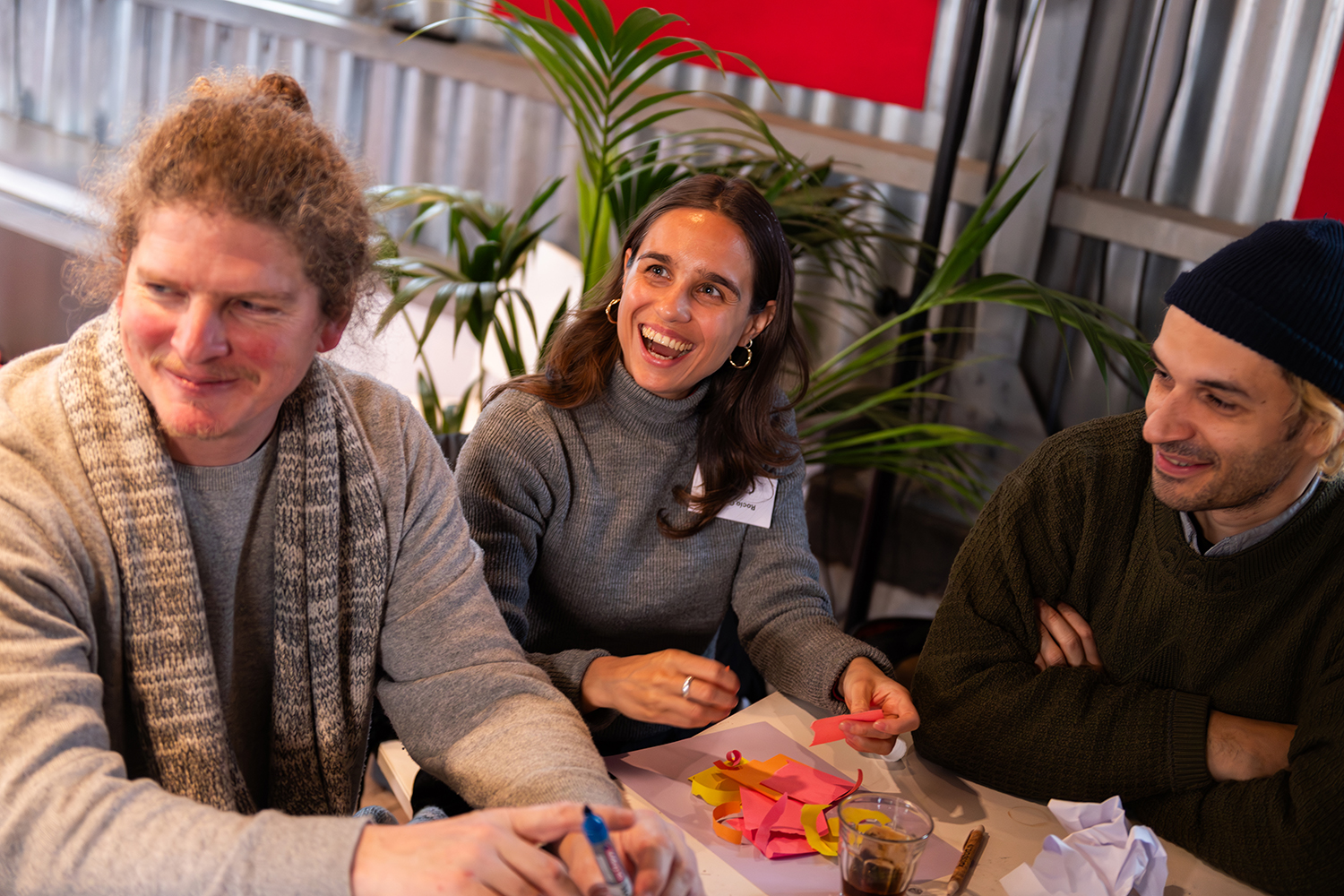
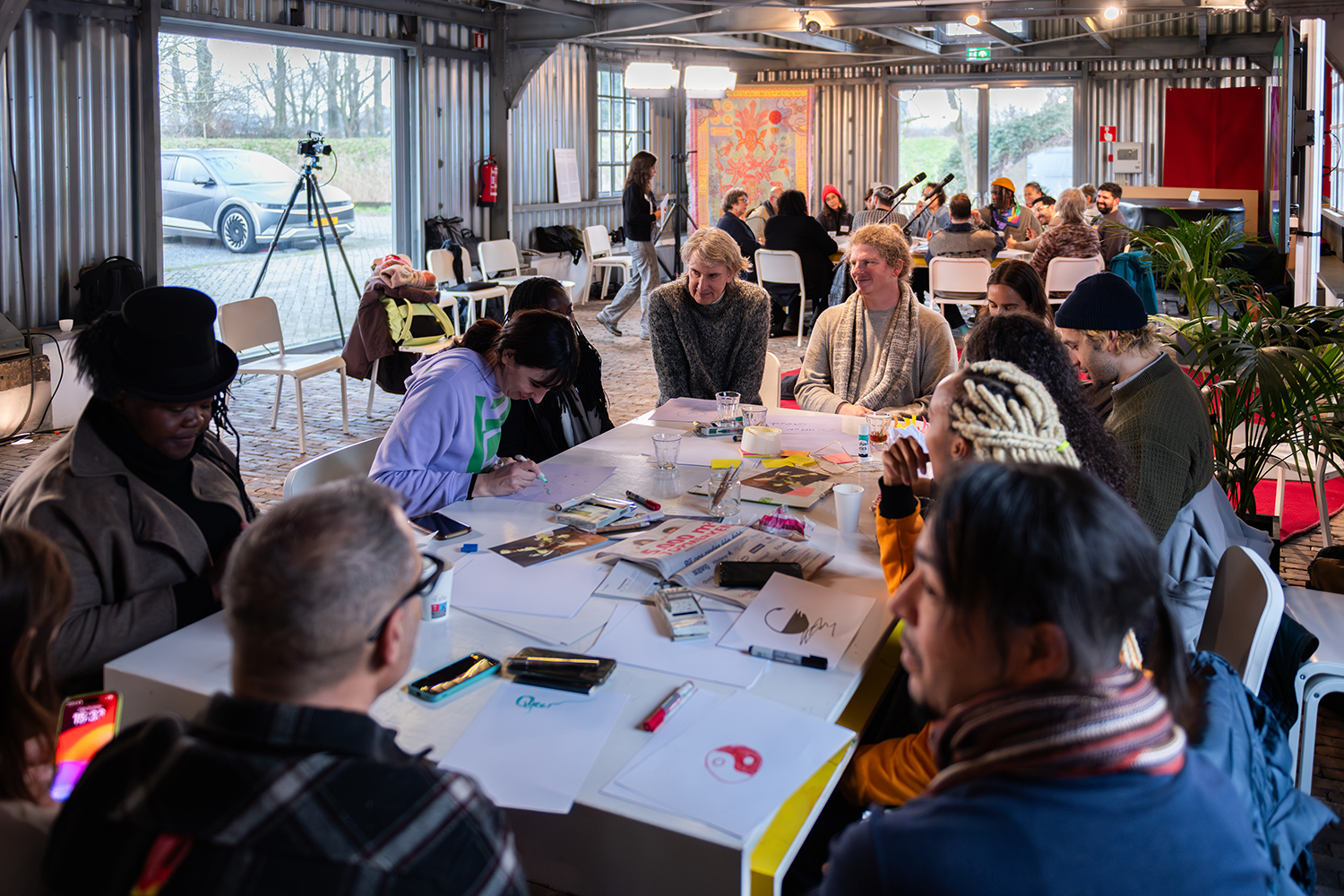
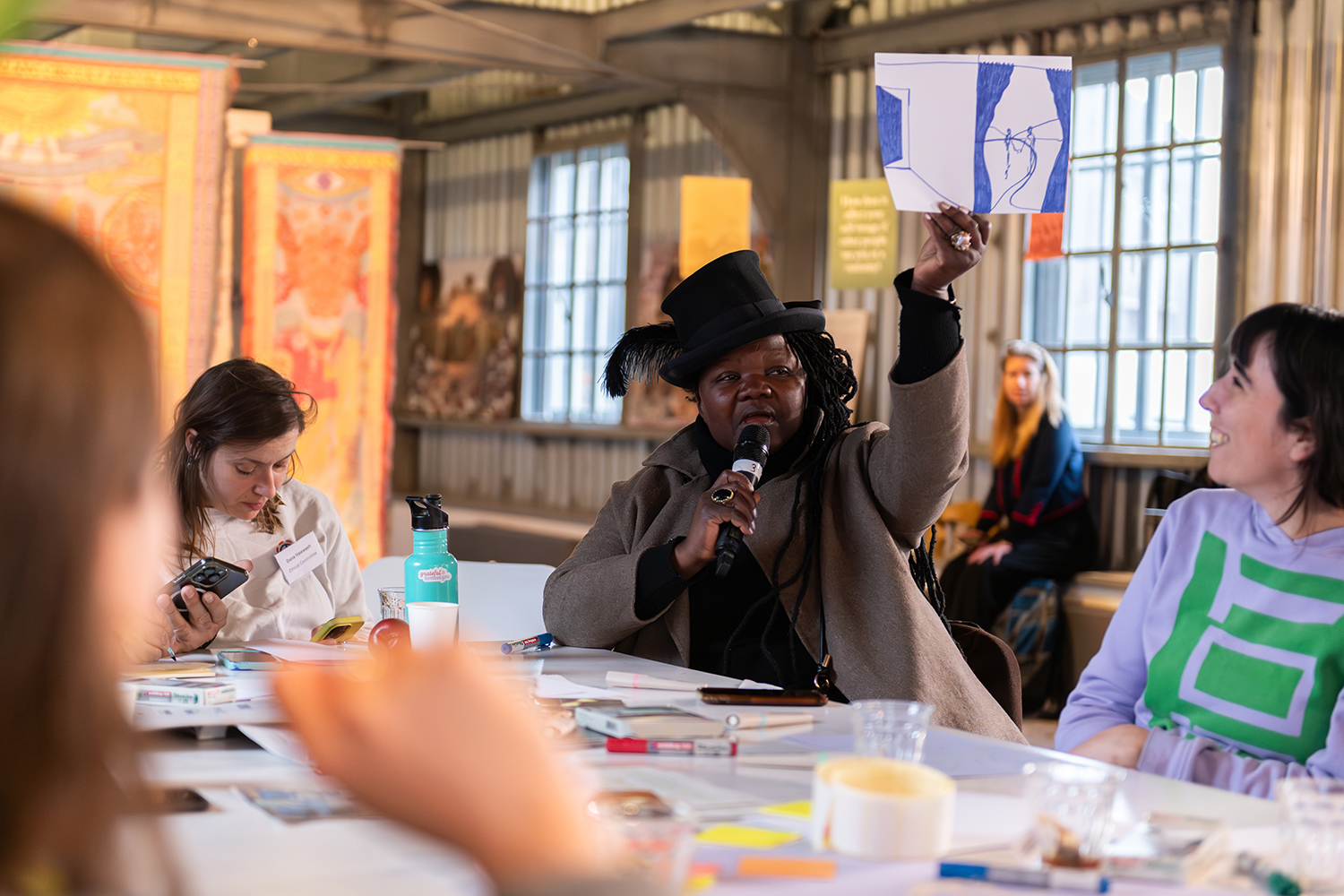
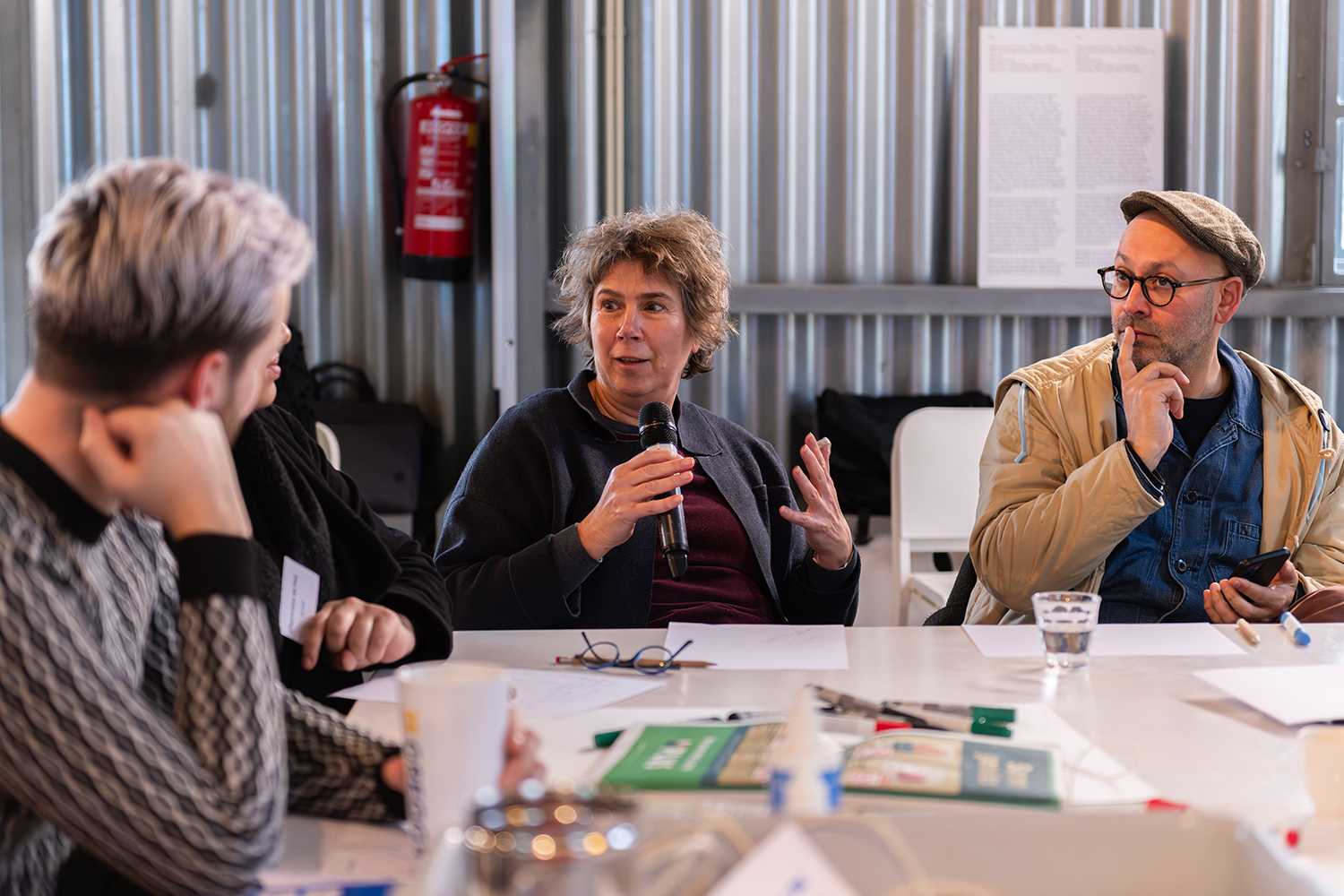
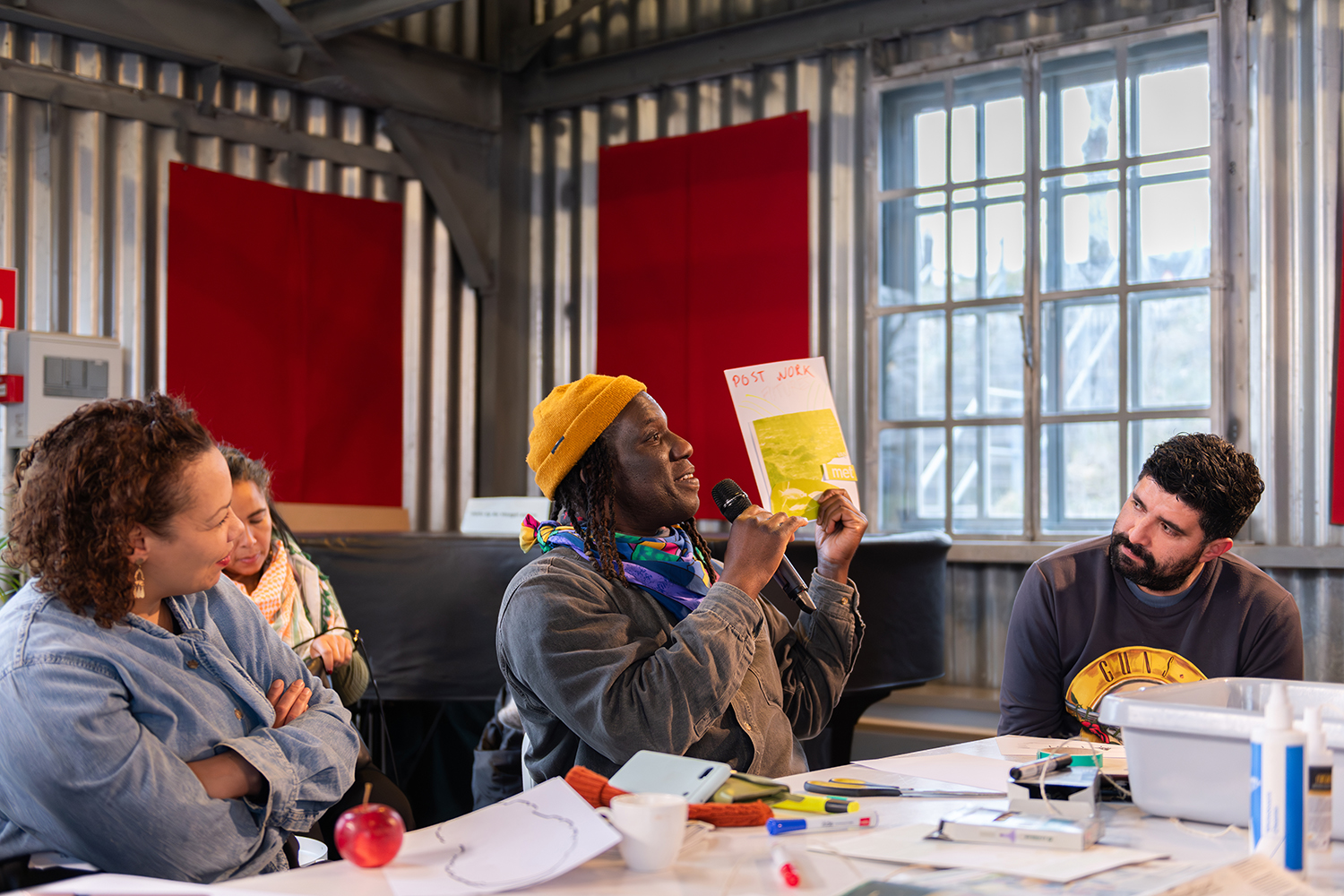
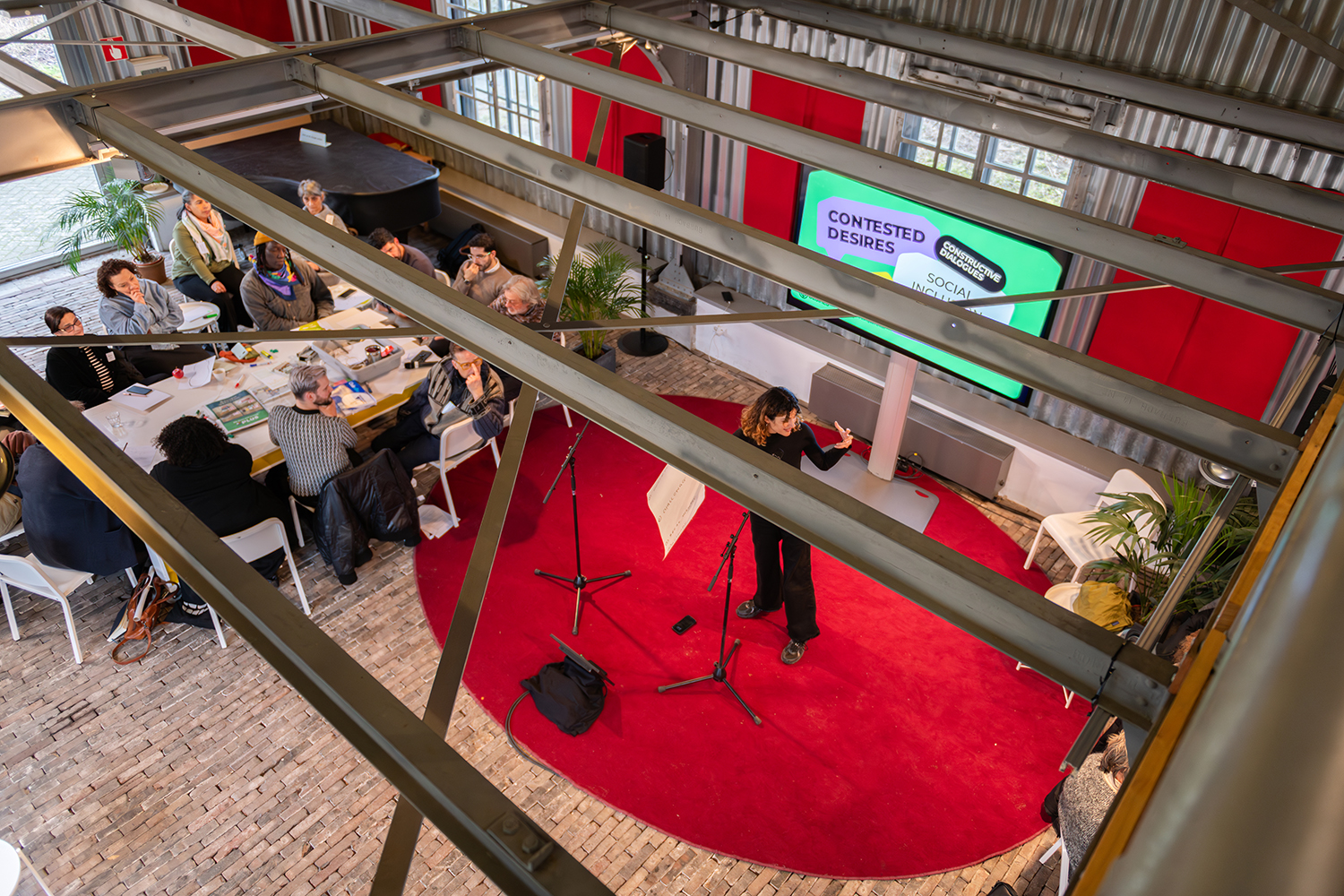
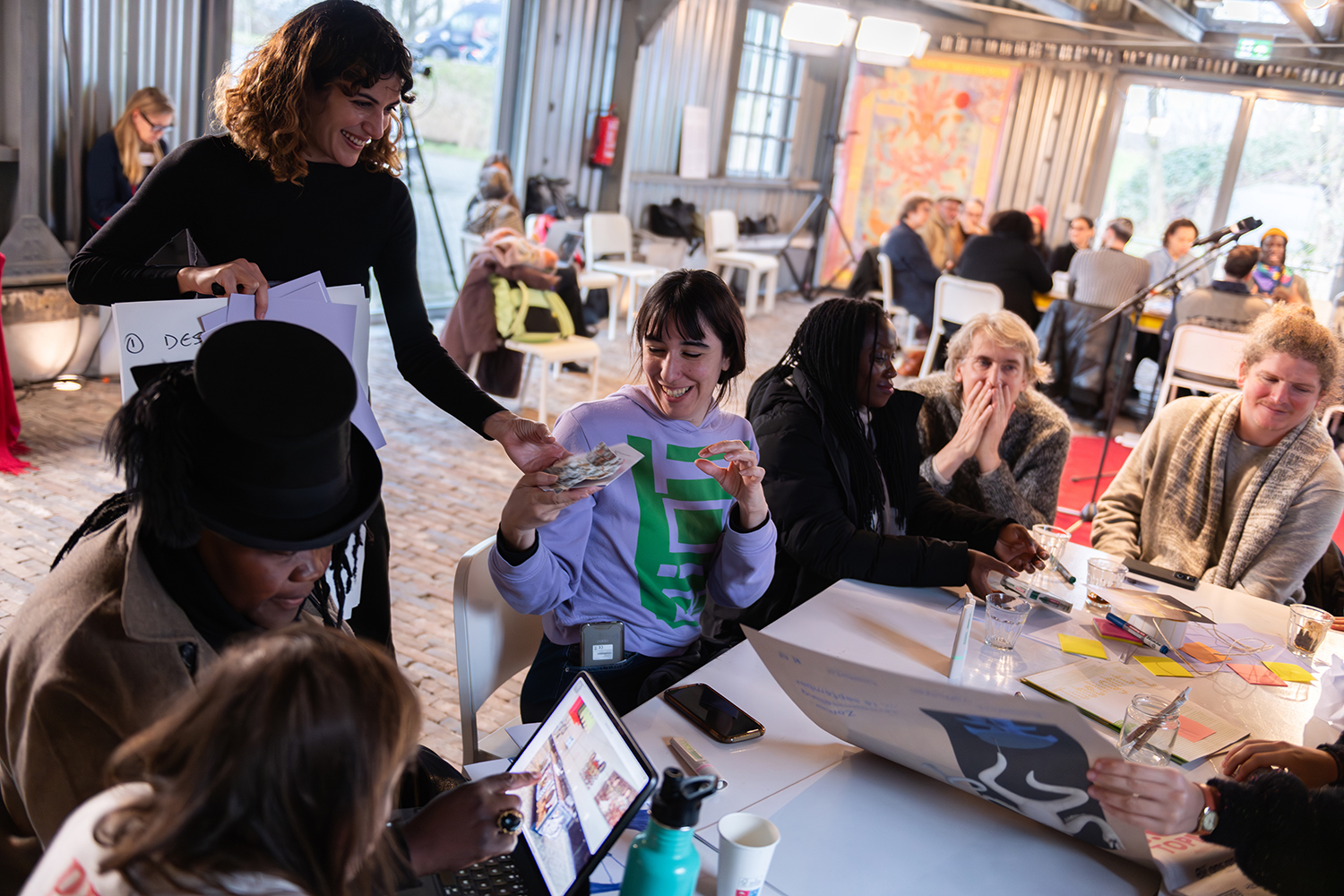
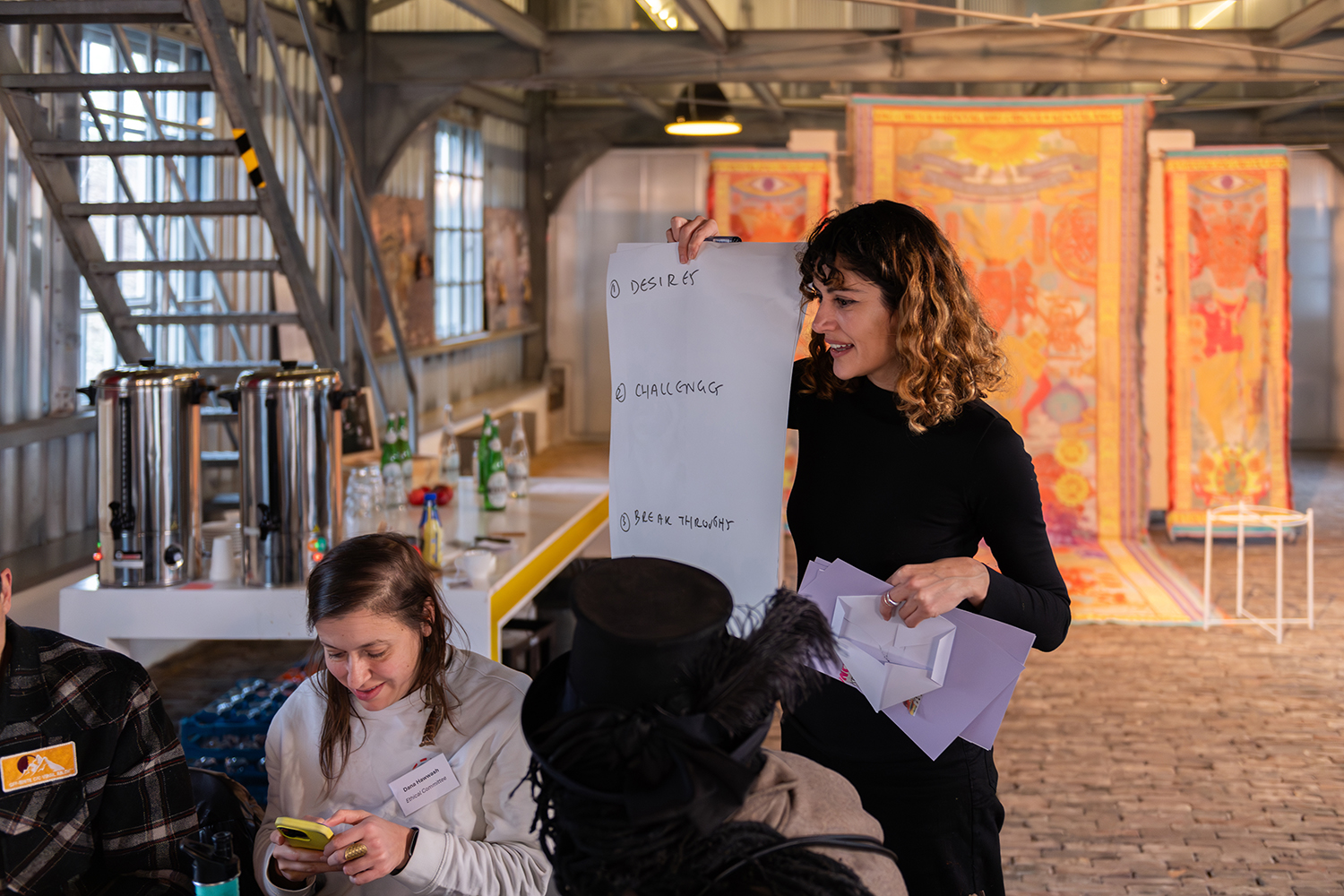
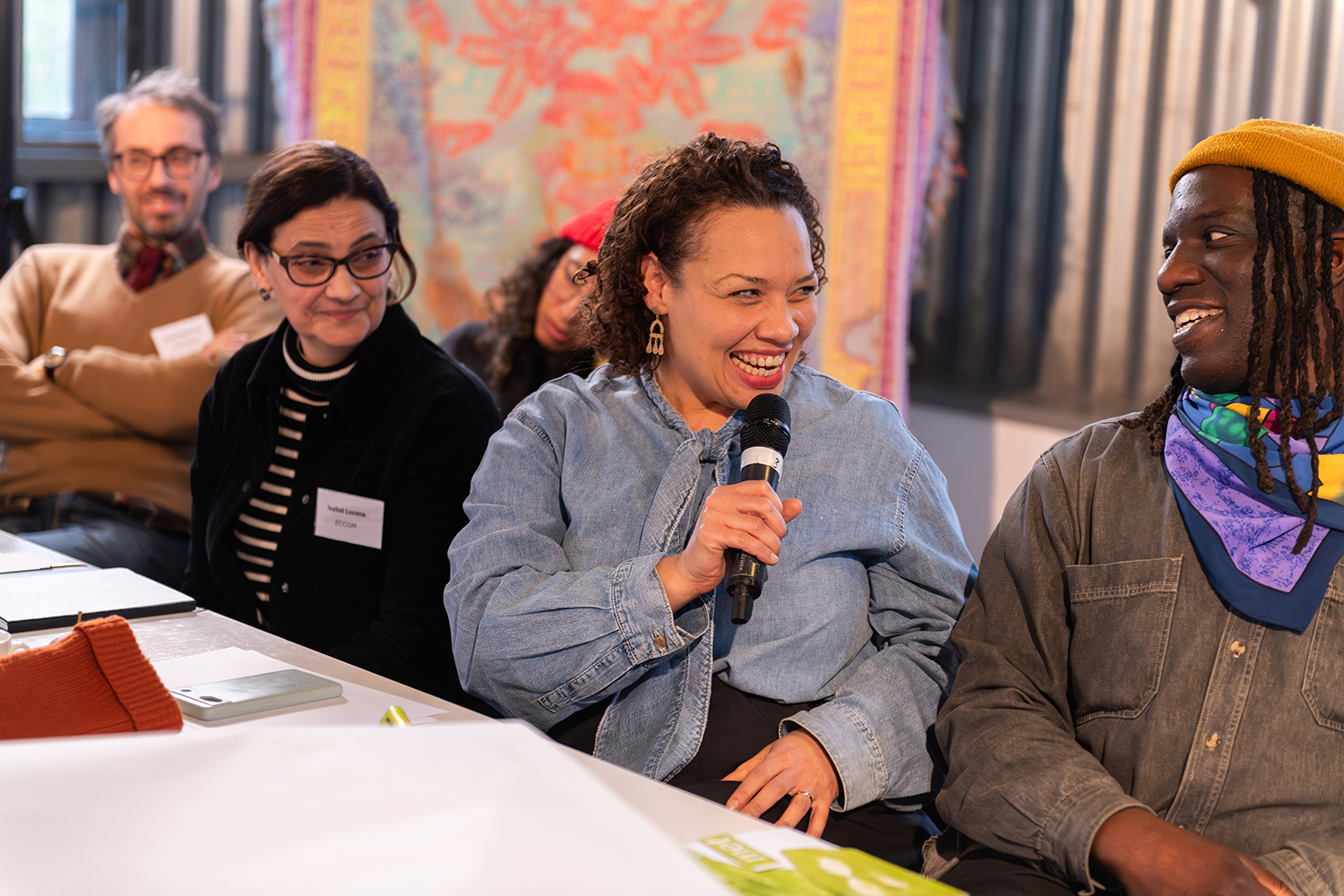
Over three days, more than 60 international artists, producers, cultural institutions, museums, and project partners came together on site and virtually to reflect, exchange knowledge, and explore how heritage practices and commemorative spaces can engage with decolonial memory from a specific angle of queer visibility and social repair.
The programme began with an on-site Partner Meeting with the CDCD Consortium at the Goethe-Institut, focused on reviewing the project’s implementation, discussing indicators and progress so far, examining budgetary matters, and identifying forthcoming actions necessary for the successful preparation and delivery of the festival in Cyprus next September. The meeting was followed by a plenary dinner prepared by Culinarratives, an initiative of chef Maxim De Heer and Ayunda Stel. After a brief introduction to their professional background, they reflected on how Indonesian culinary traditions are integrated into Dutch cuisine and, more specifically, how they have been adapted as a consequence of the colonial past.
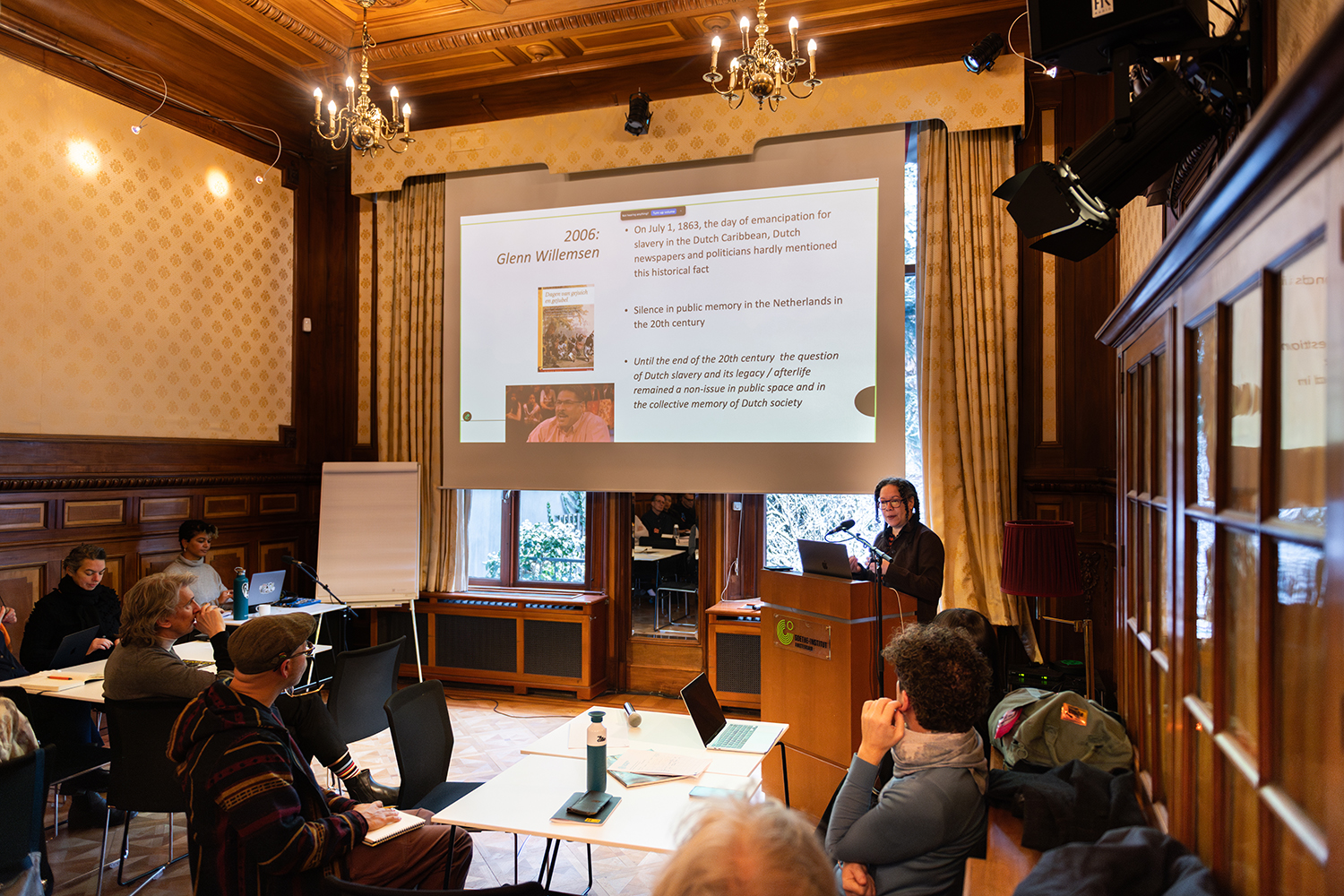
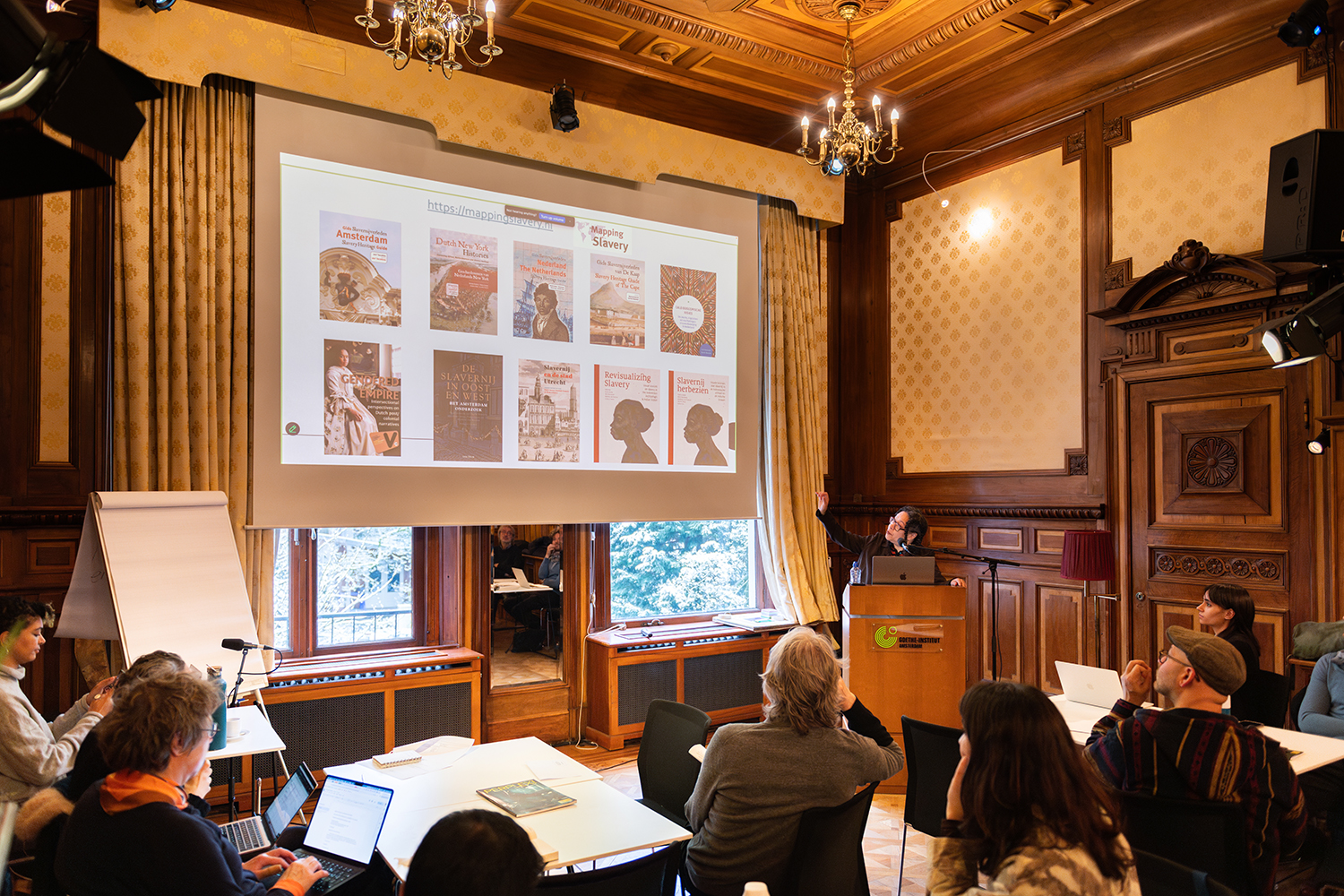
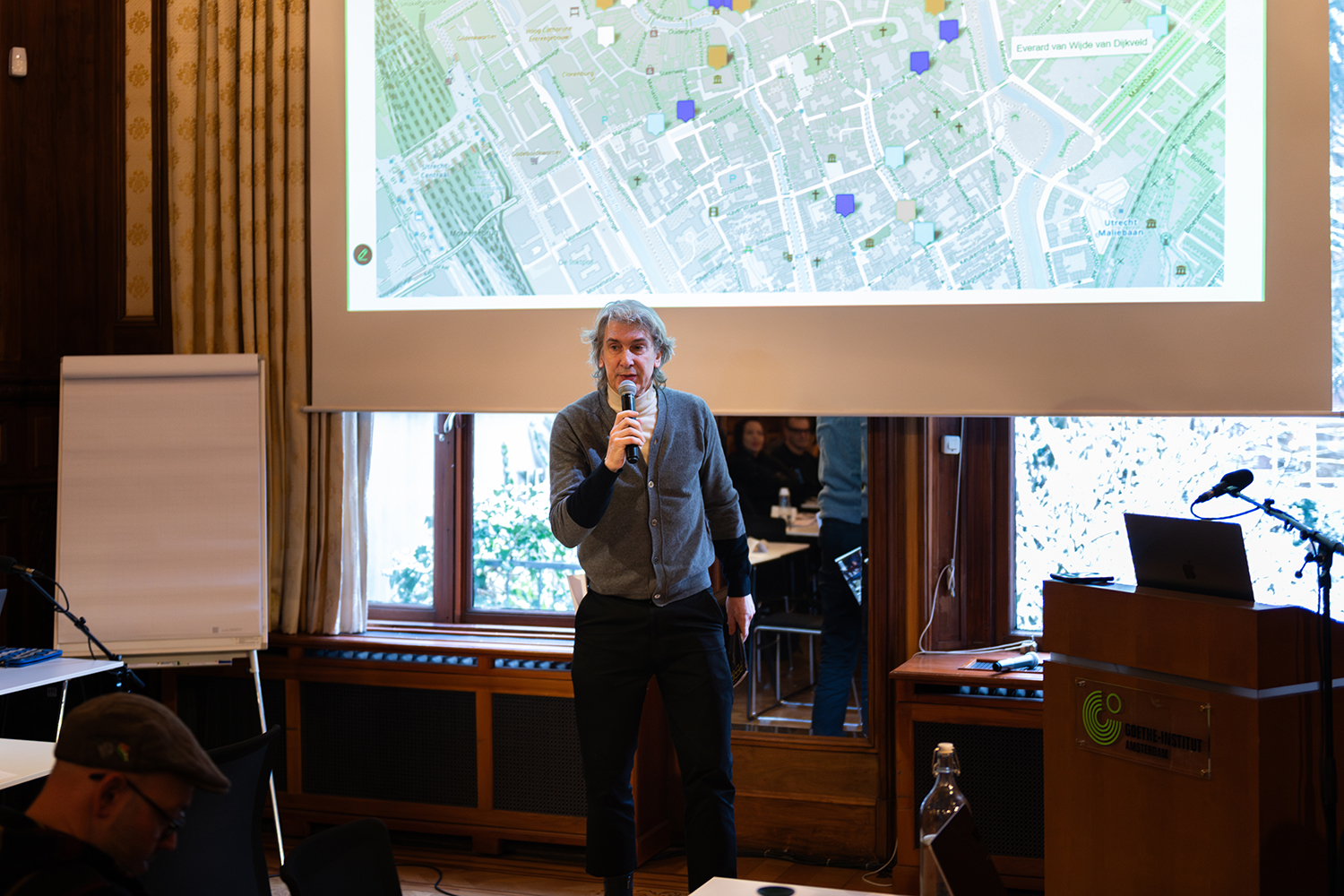
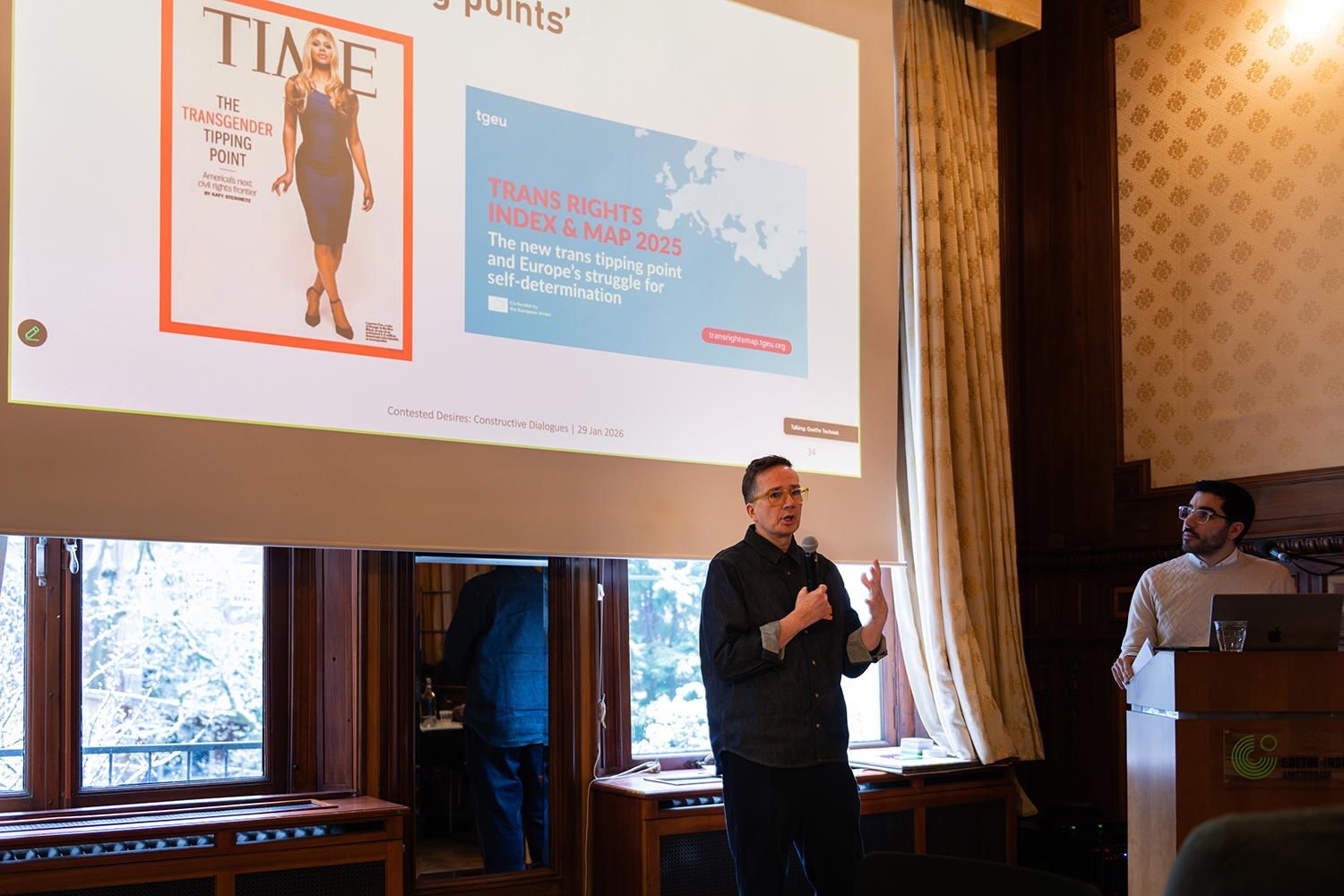
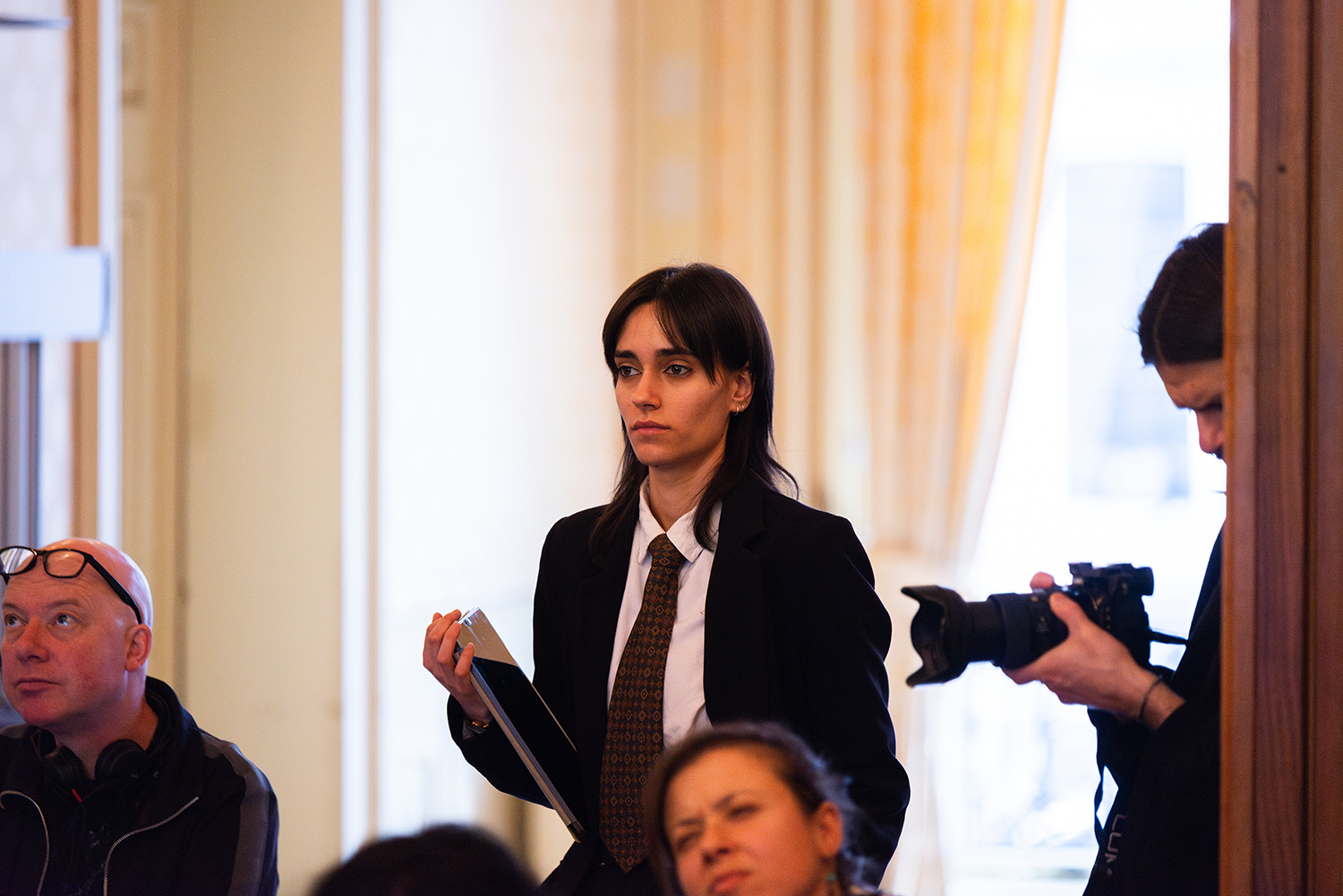
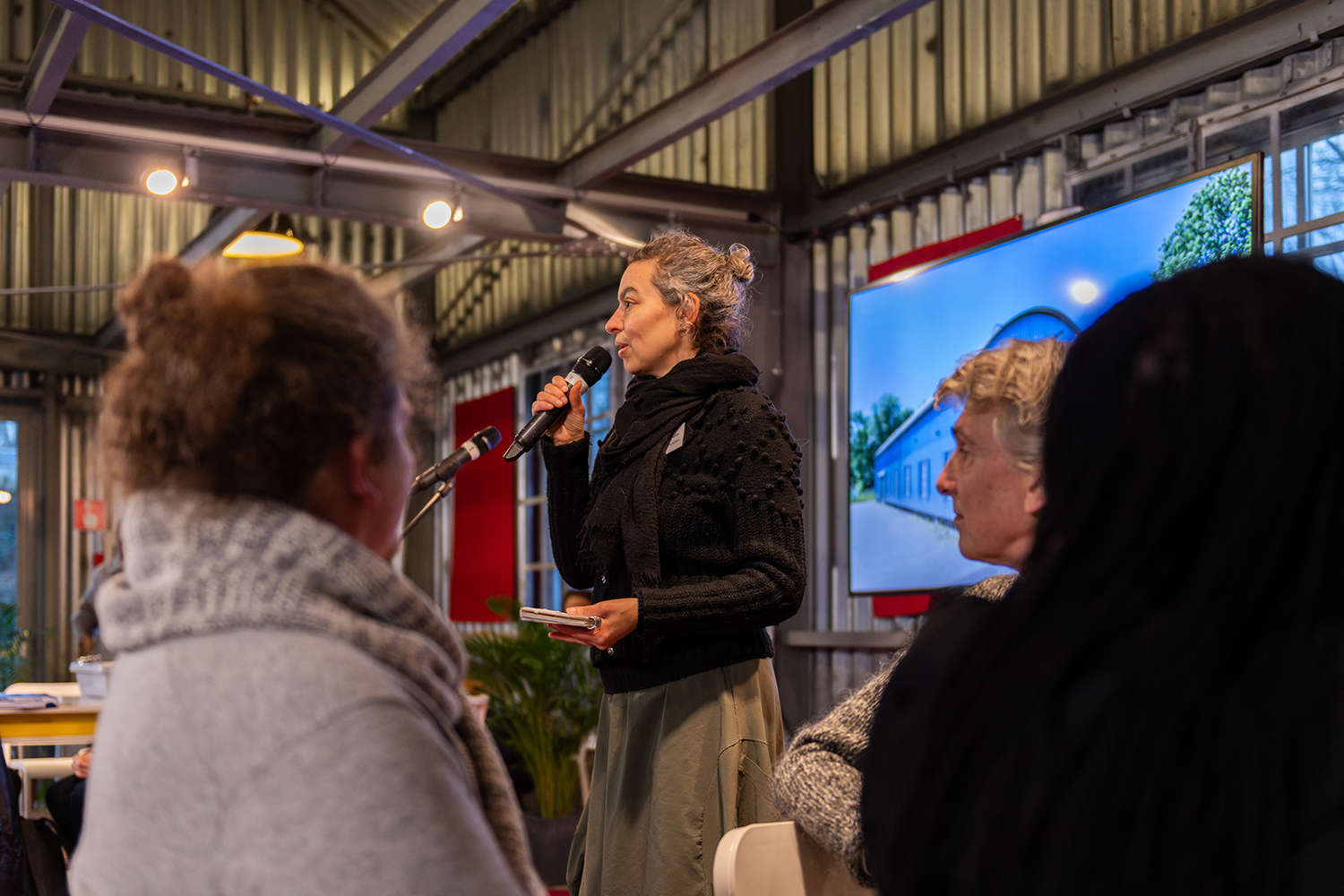
The first day of the capacity-building programme took place at the Goethe-Institut and opened with welcoming remarks by Frans Damman, representing H401, who acknowledged the hosting partners and venue and situated the event within Amsterdam’s “Golden Bend,” highlighting the relevance of its colonial history to the programme’s themes. This was followed by a presentation by Nancy Jouwe (cultural historian, researcher, and author, and a renowned expert on the colonial past of the Netherlands) on social inclusion within Dutch (post)colonial discourse. A session by Richard Sandell and Cesare Cuzzola (Research Centre for Museums and Galleries) followed, critically examining prevailing approaches to cultural inclusion and their limitations in addressing systemic inequalities, drawing on collaborative Black and queer heritage projects.
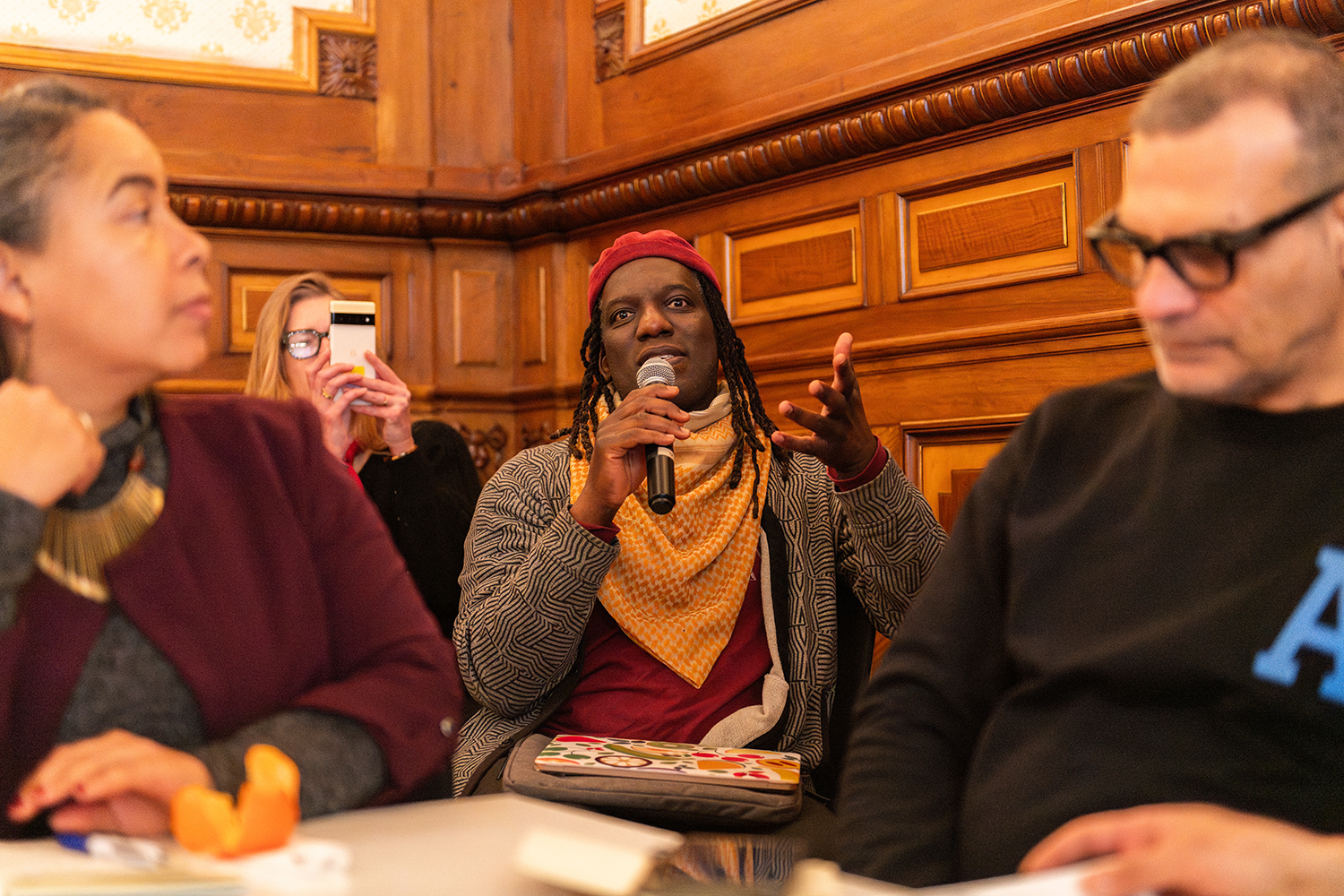
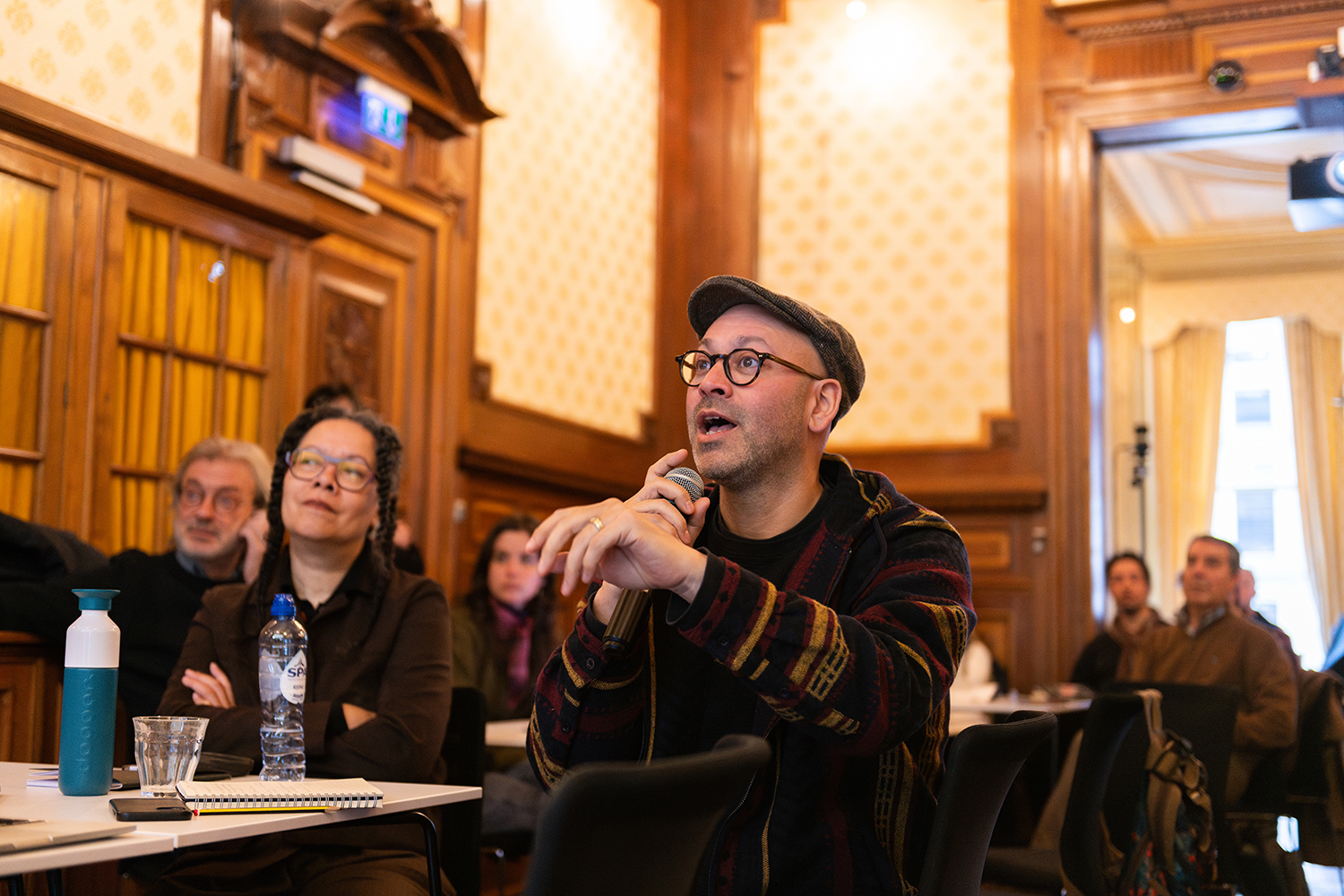
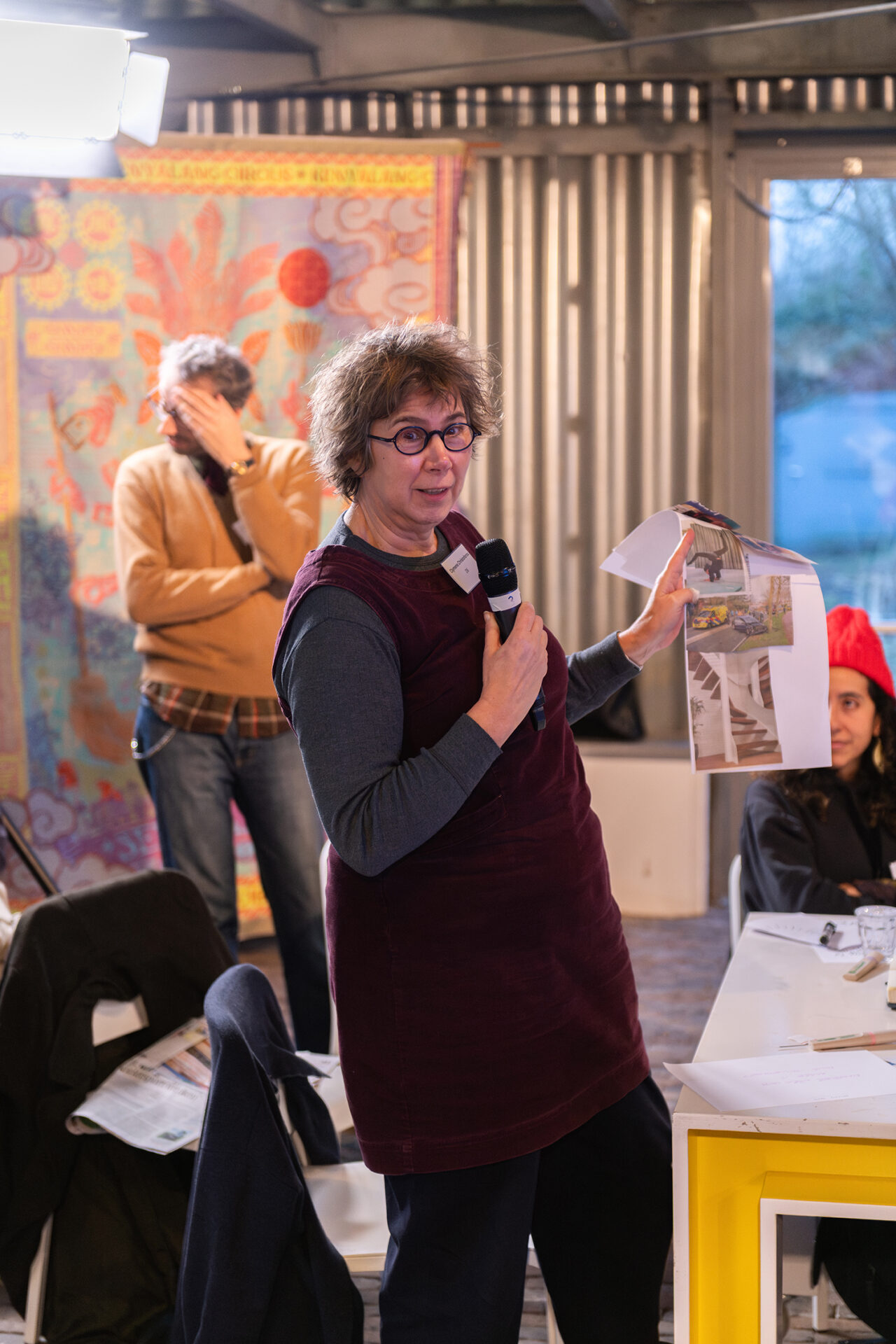
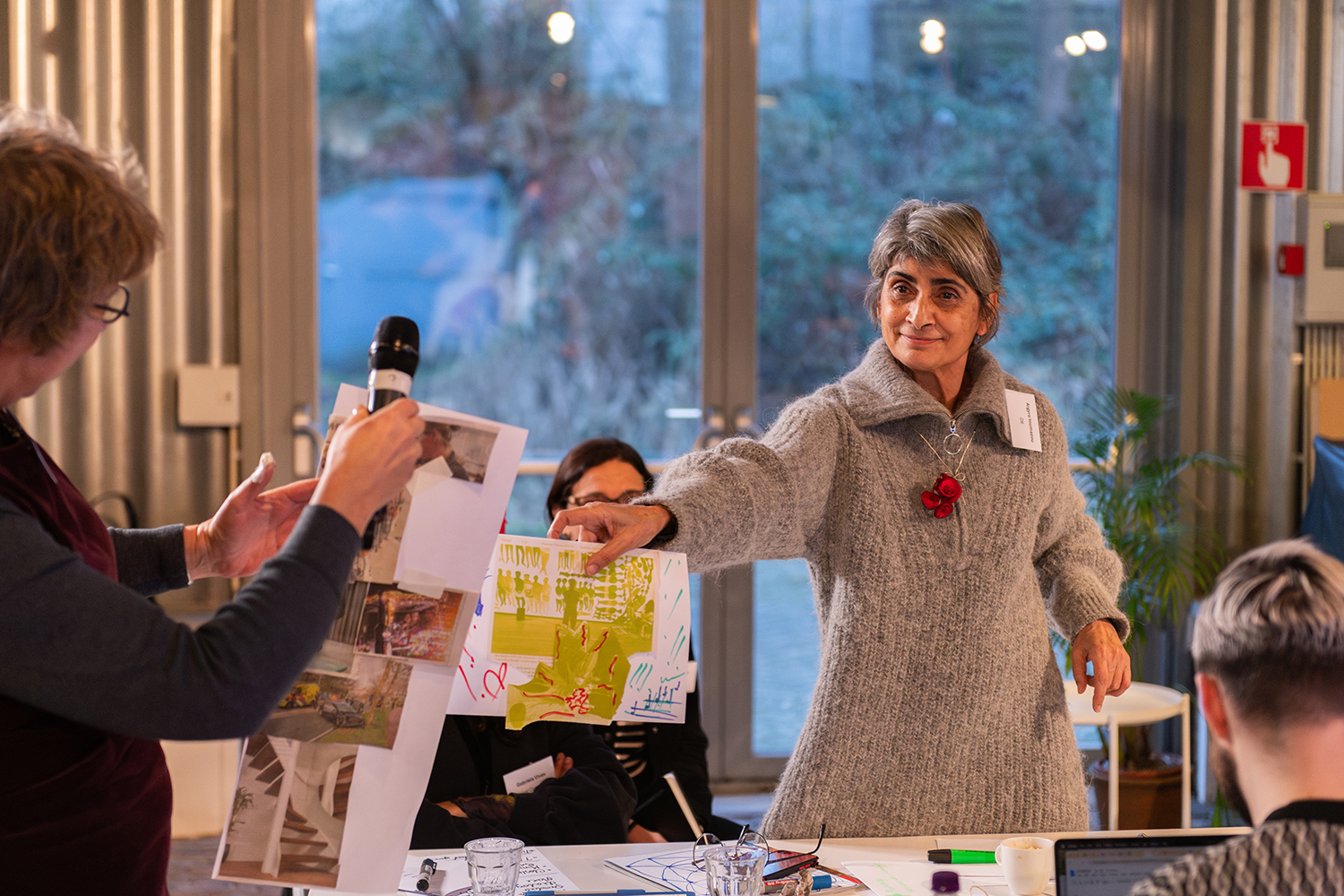
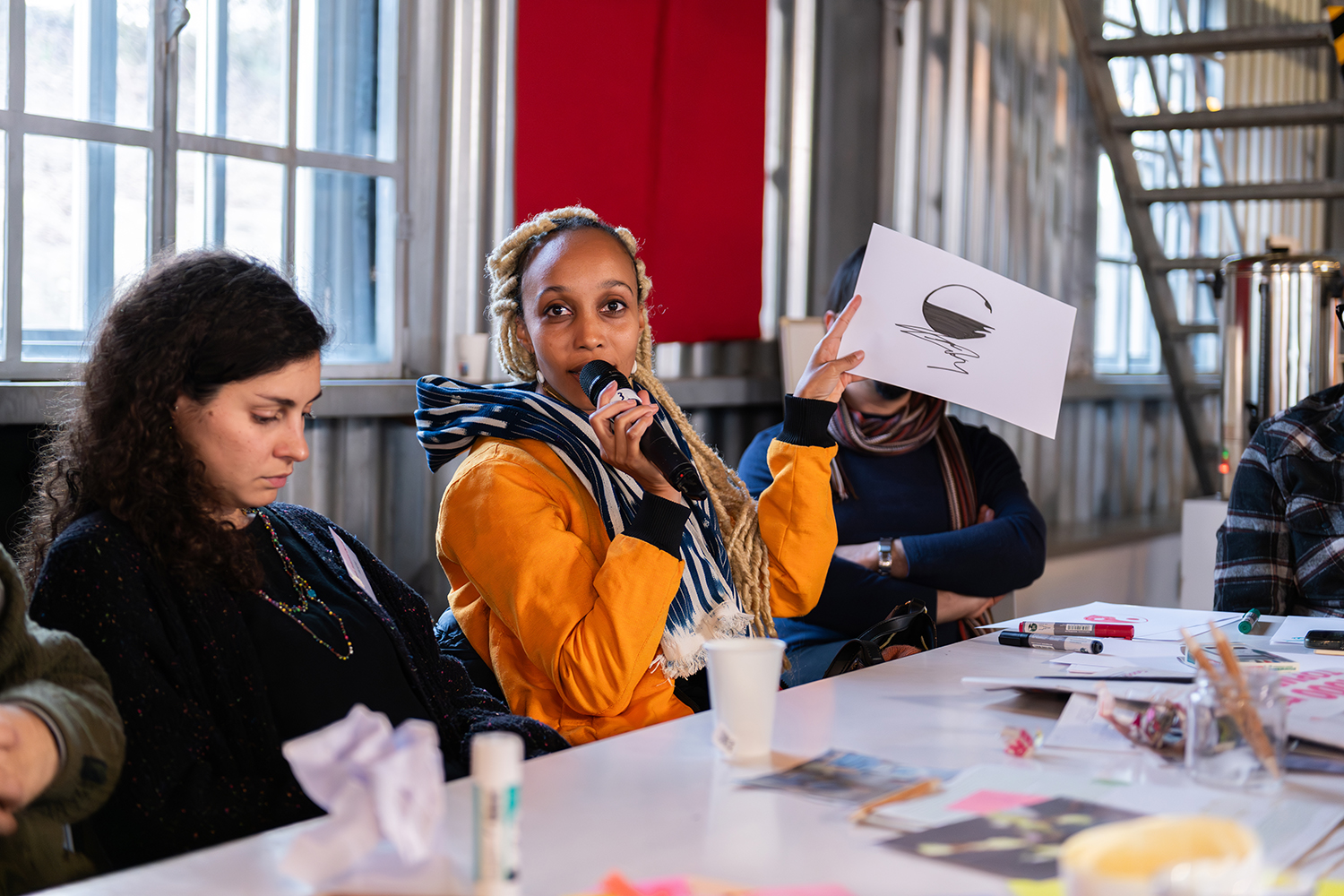
The sessions explored alternative strategies for fostering meaningful inclusion, affirming marginalised narratives, and encouraging public dialogue around identity, belonging, and inclusion. Participants then engaged in facilitated on-site and online discussions structured around key questions on inclusion, its impacts, and strategies for navigating contested contexts, culminating in a plenary discussion led by the speakers.
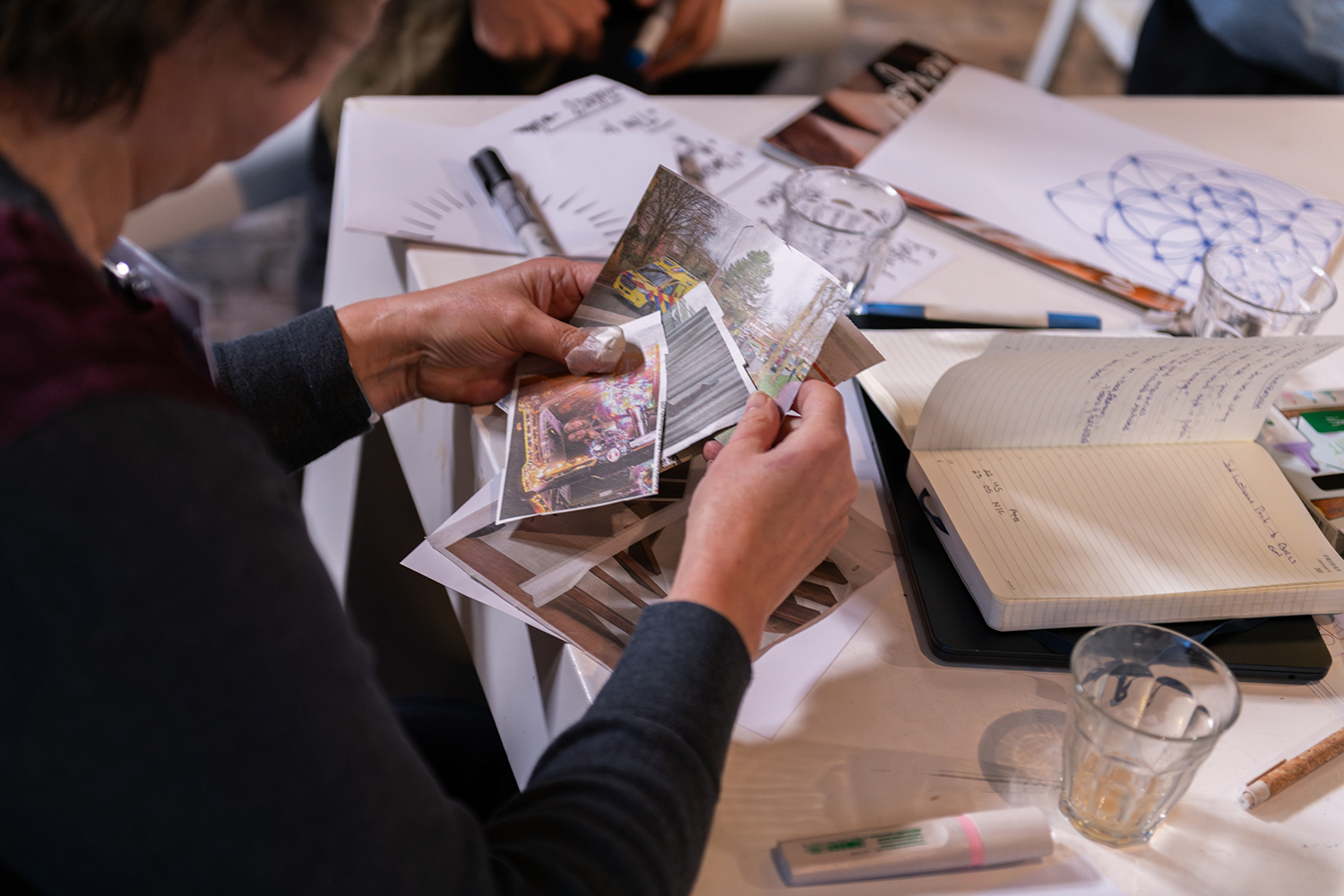
After lunch, the second part of the day consisted of artist-led sessions moderated by the programme facilitators. During these sessions, the participating artists presented and contextualised their current artistic processes and works. In parallel, podcast interviews were conducted in the institute’s library, in which attendees were invited to reflect on the intersection of colonialism and social inclusion, with particular attention to how these themes inform and shape their own artistic practices.
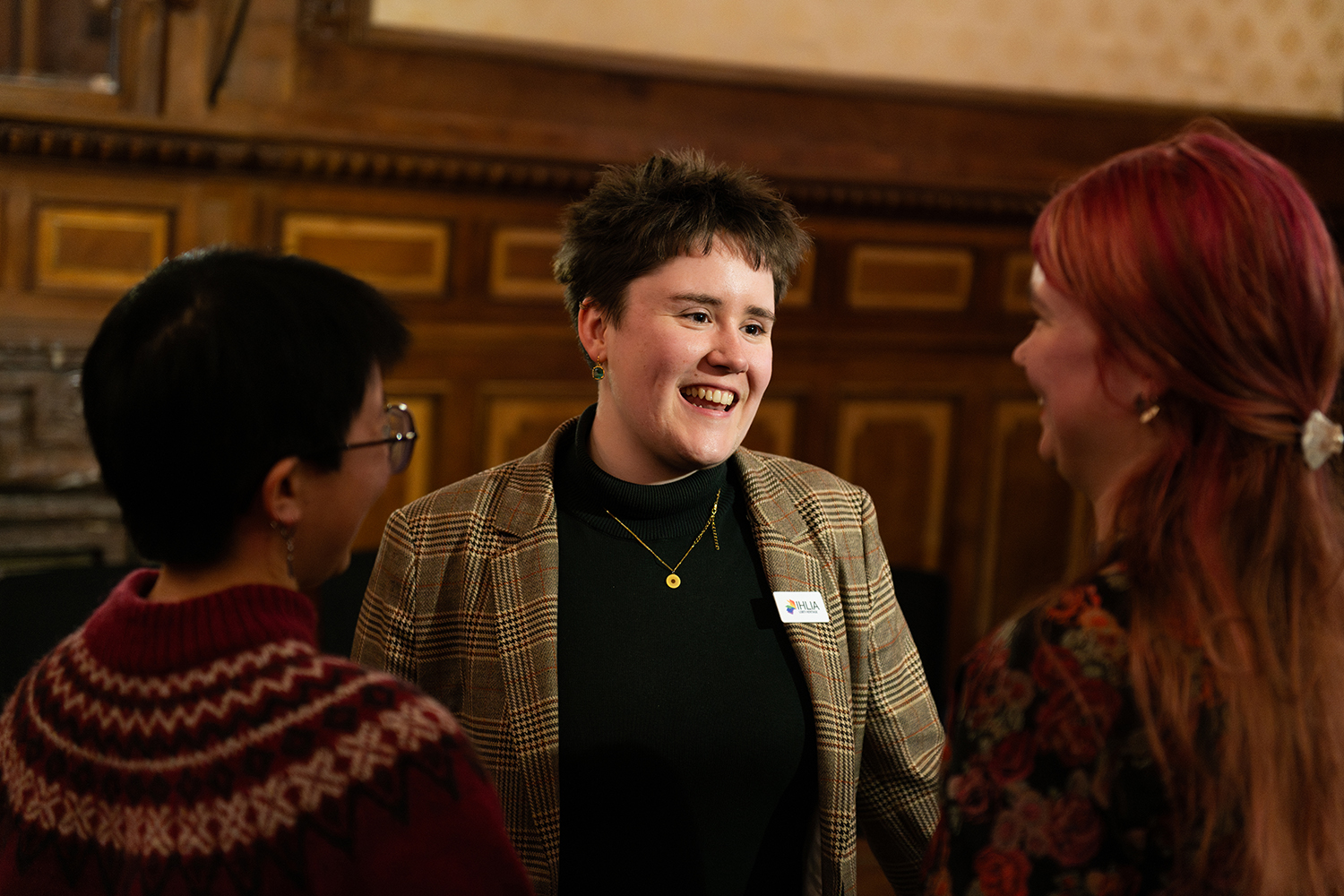
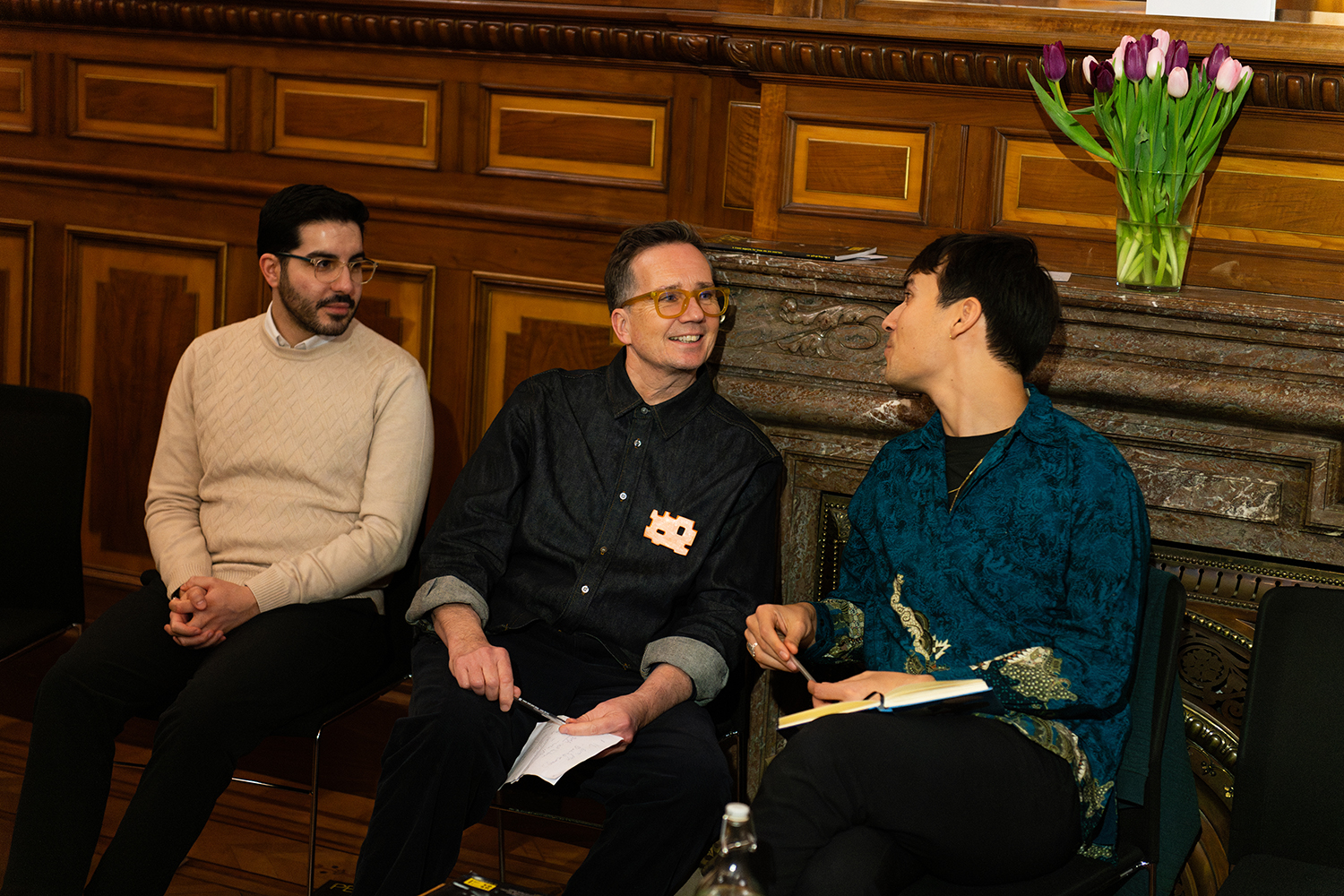
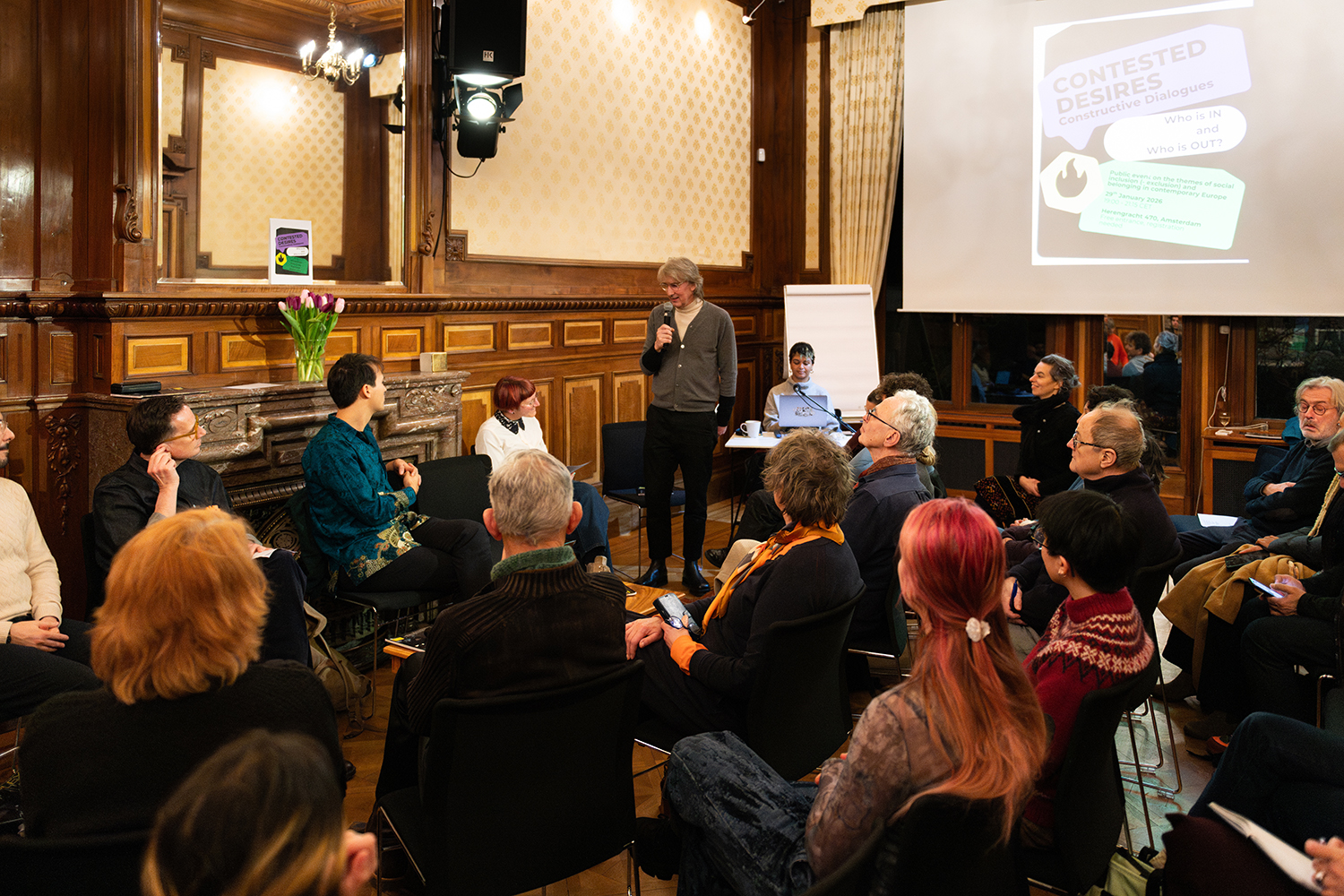
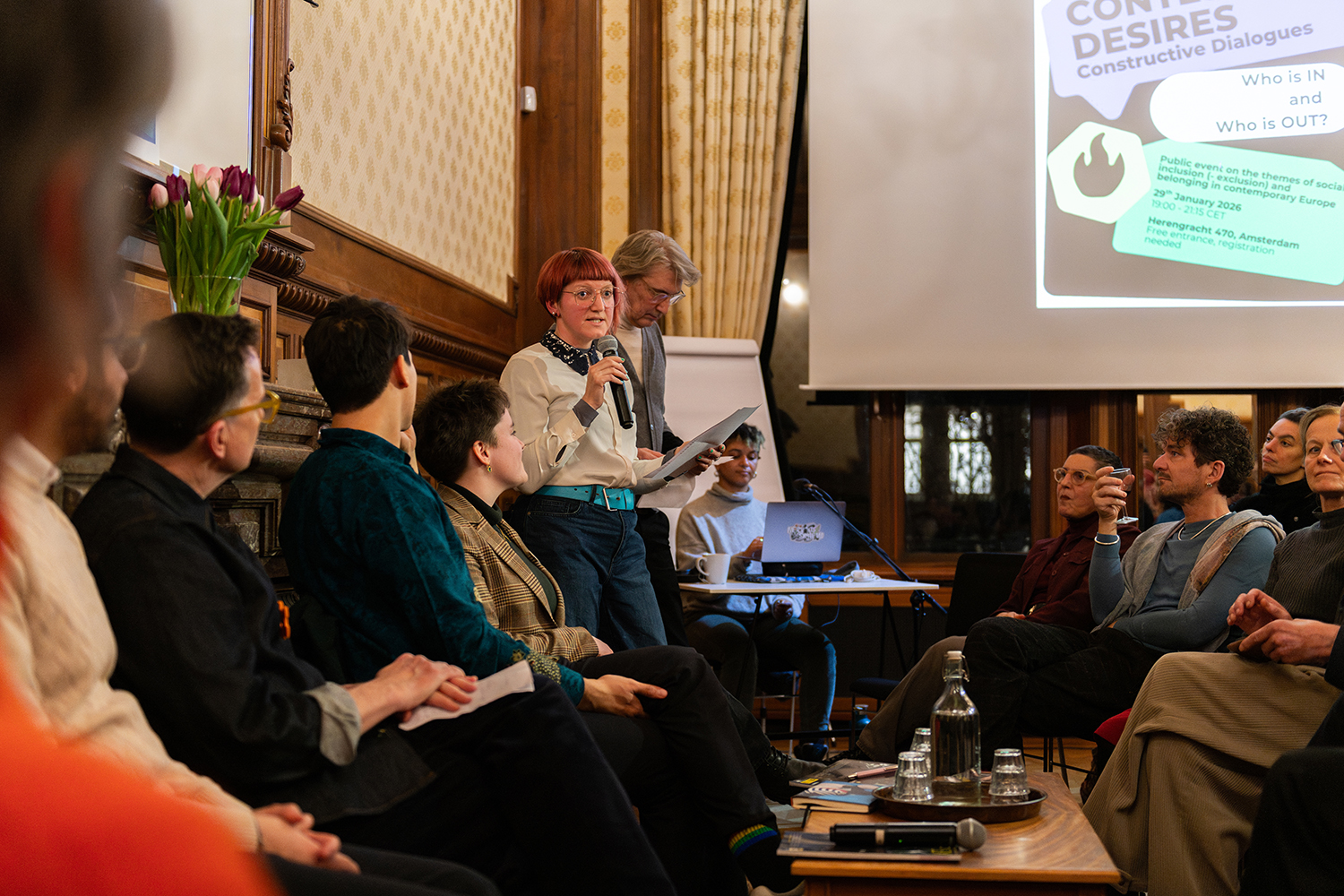
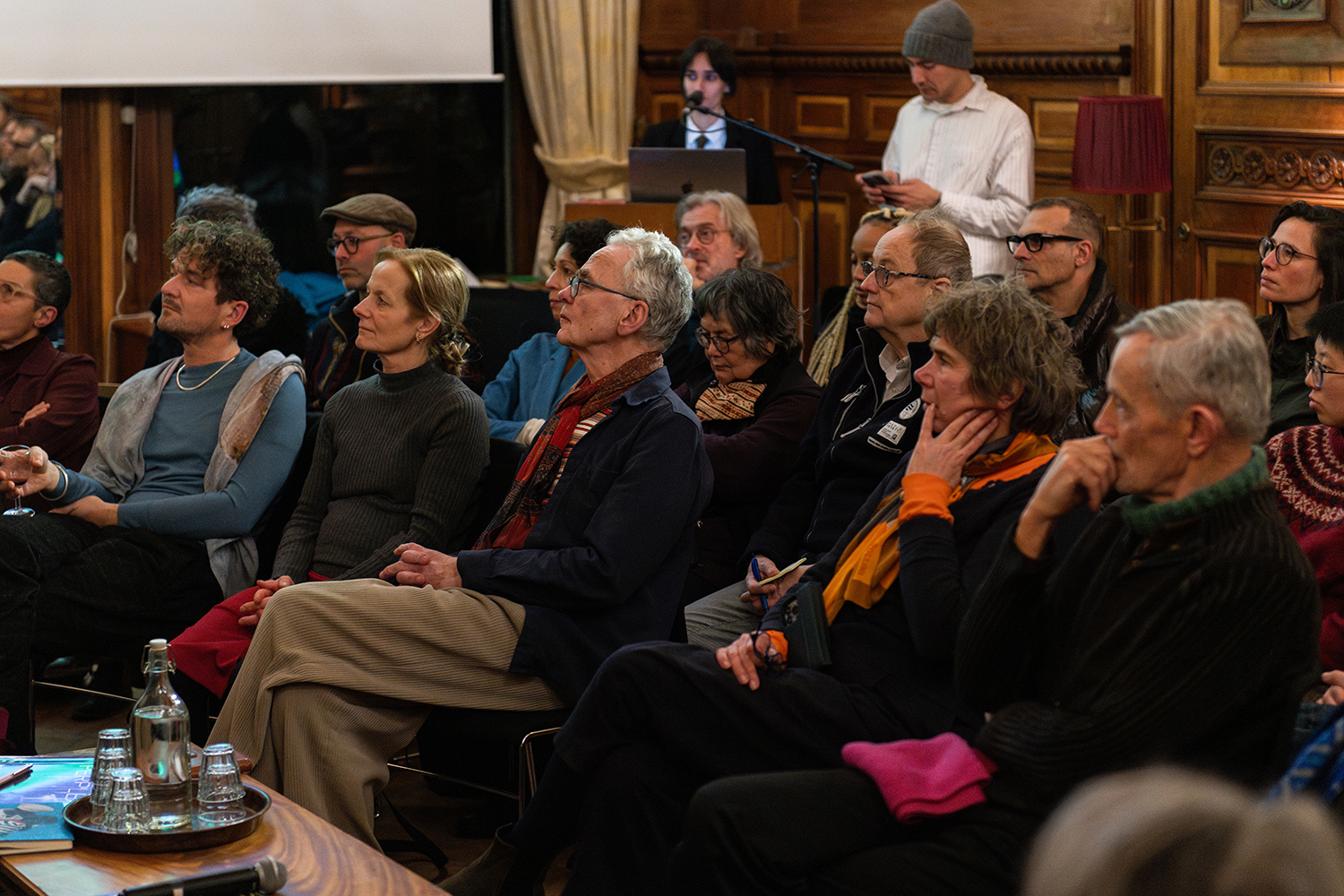
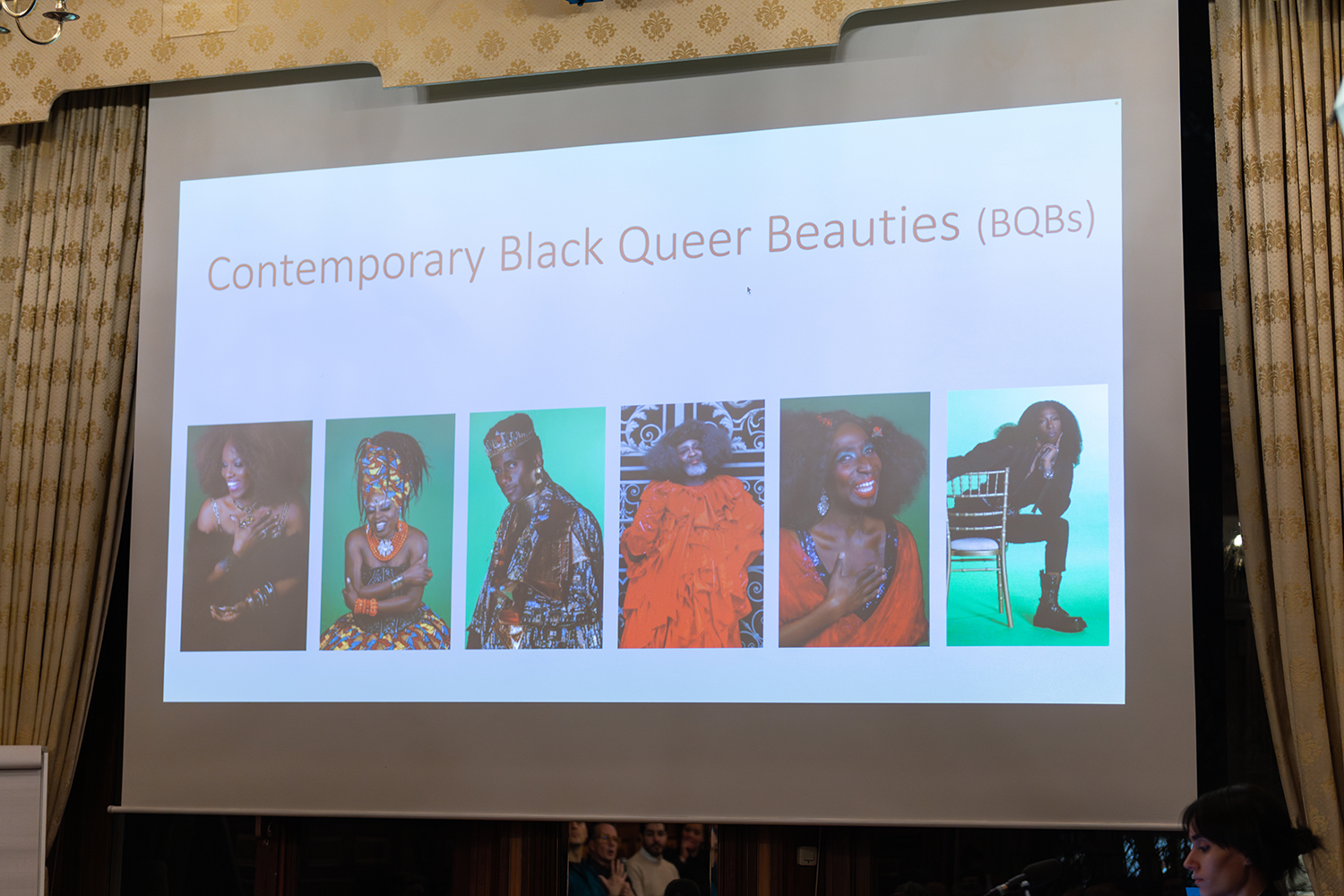
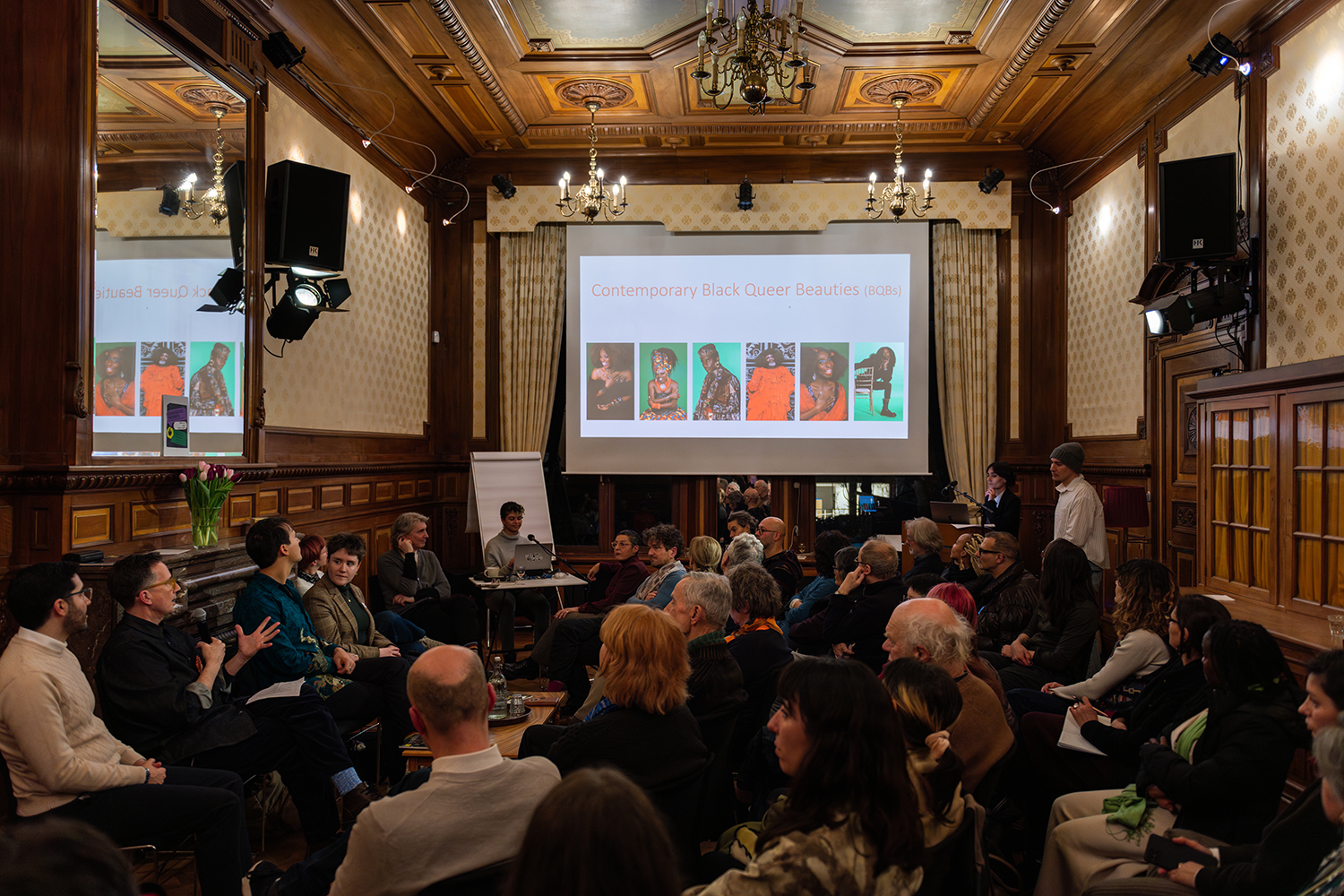
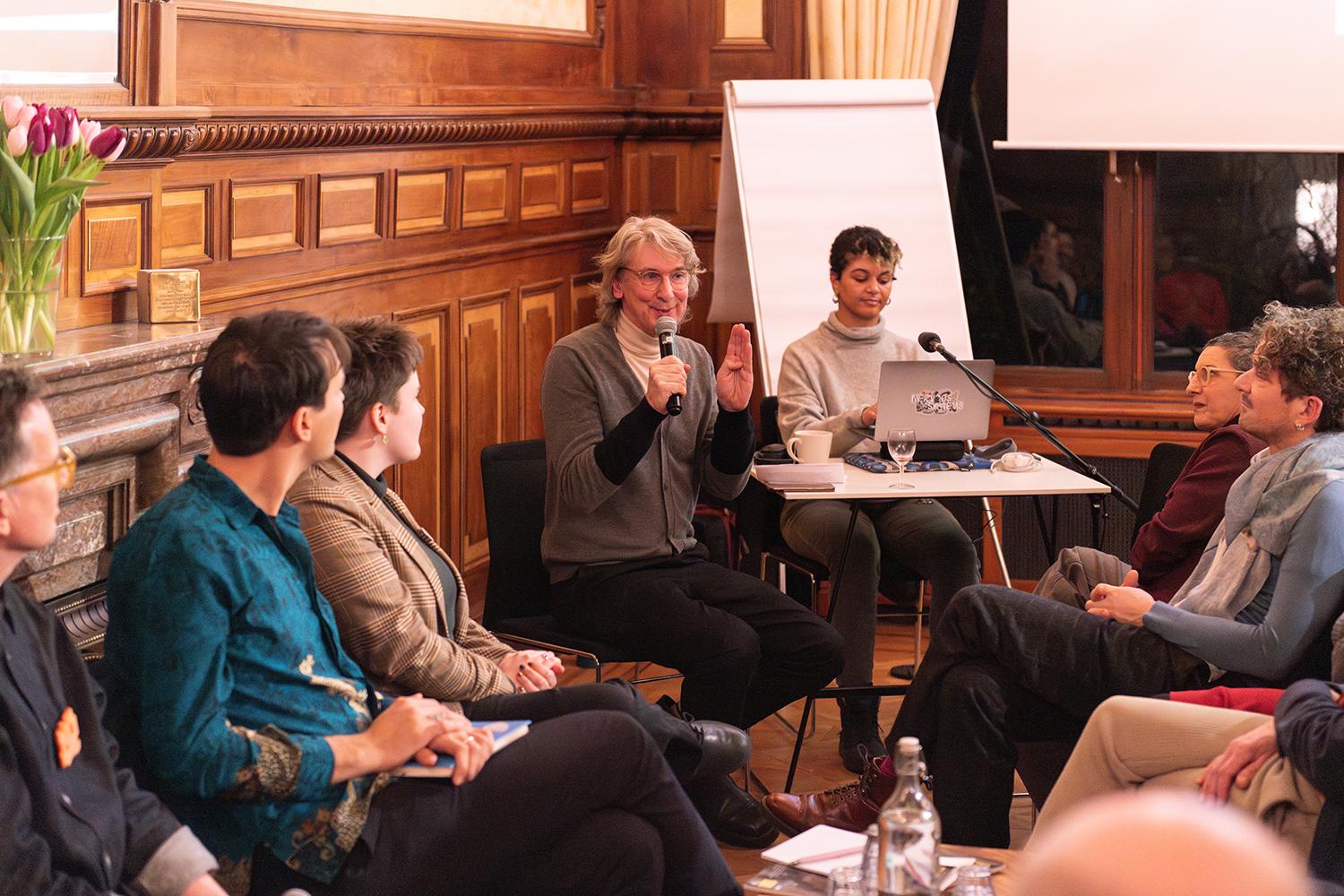
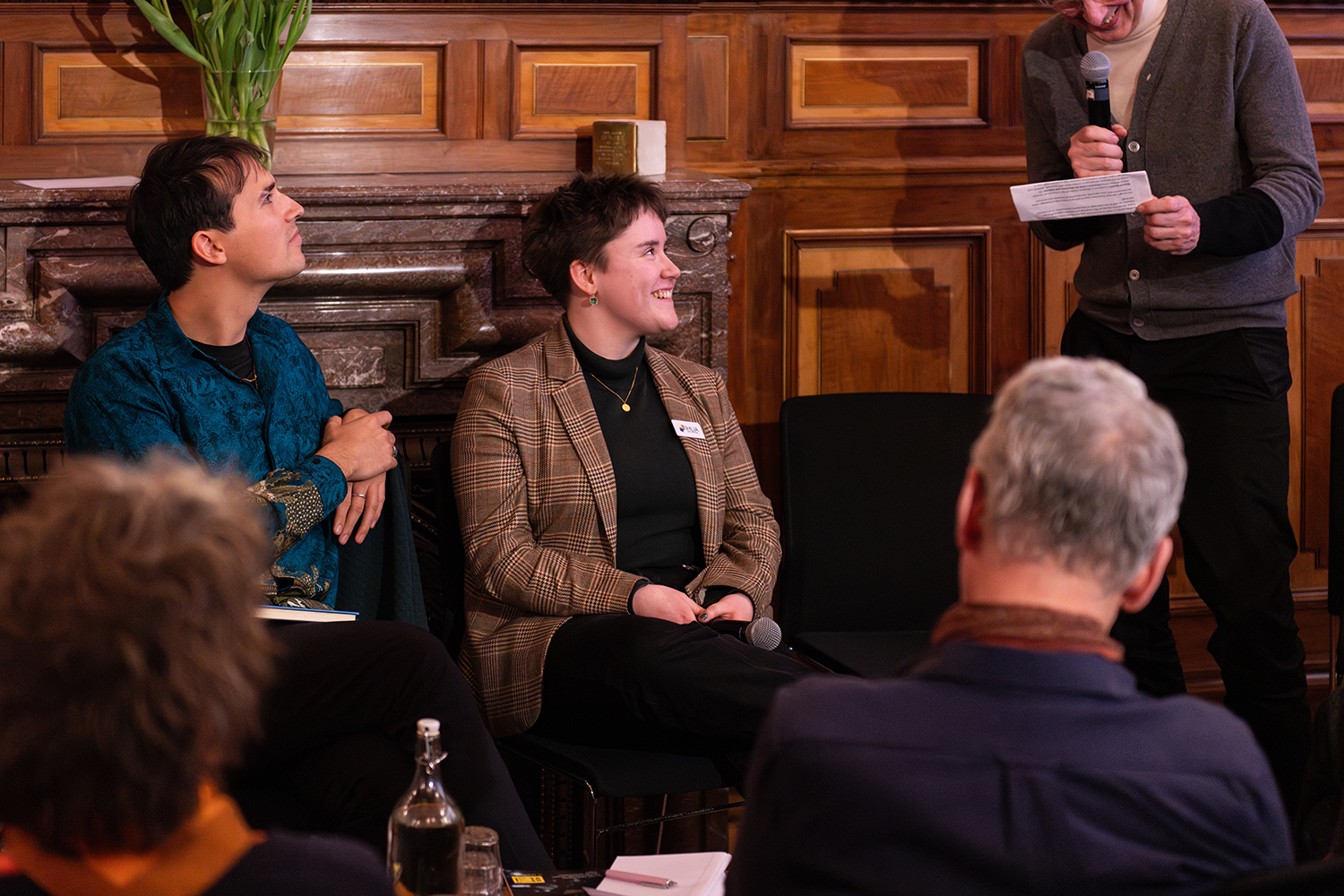
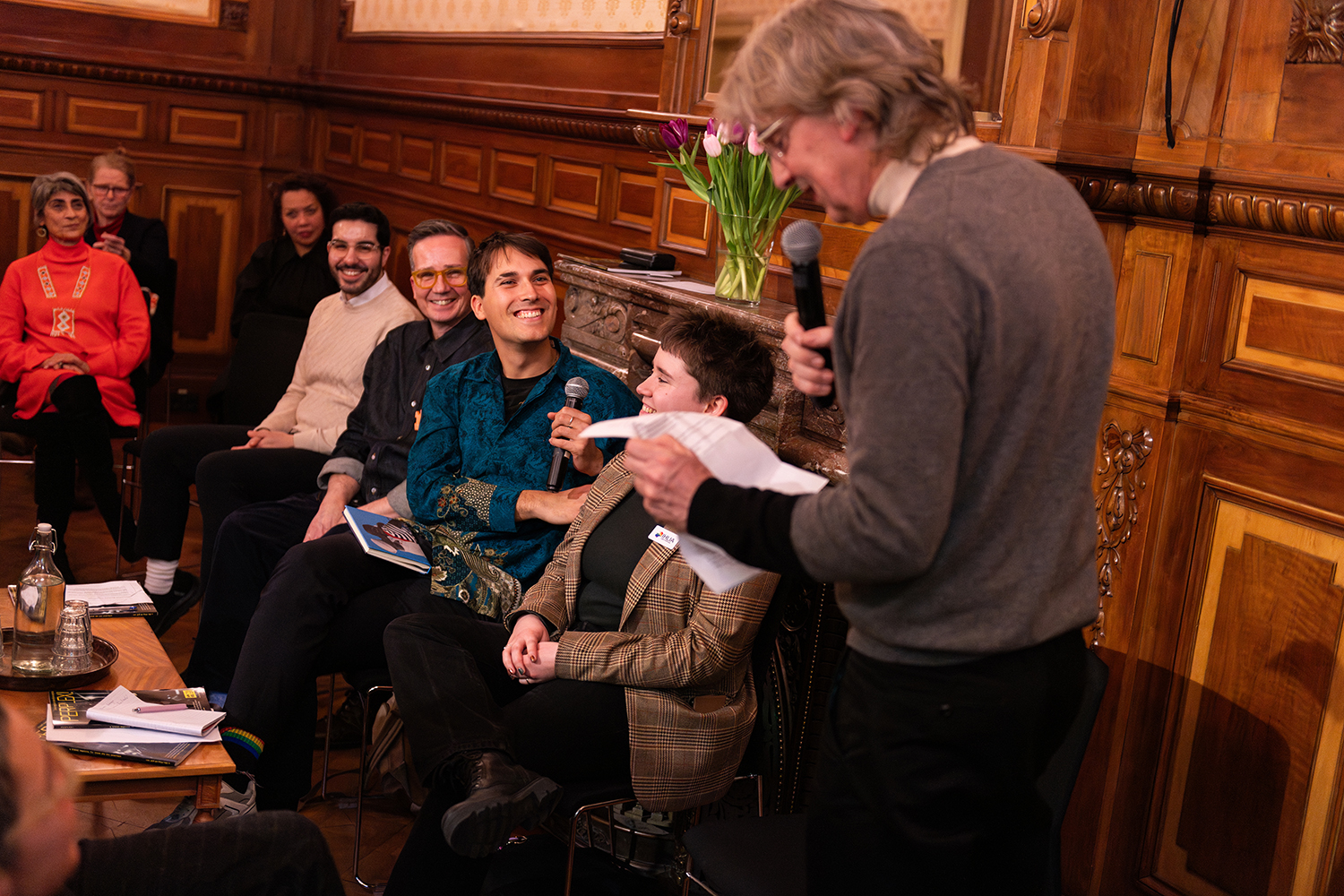
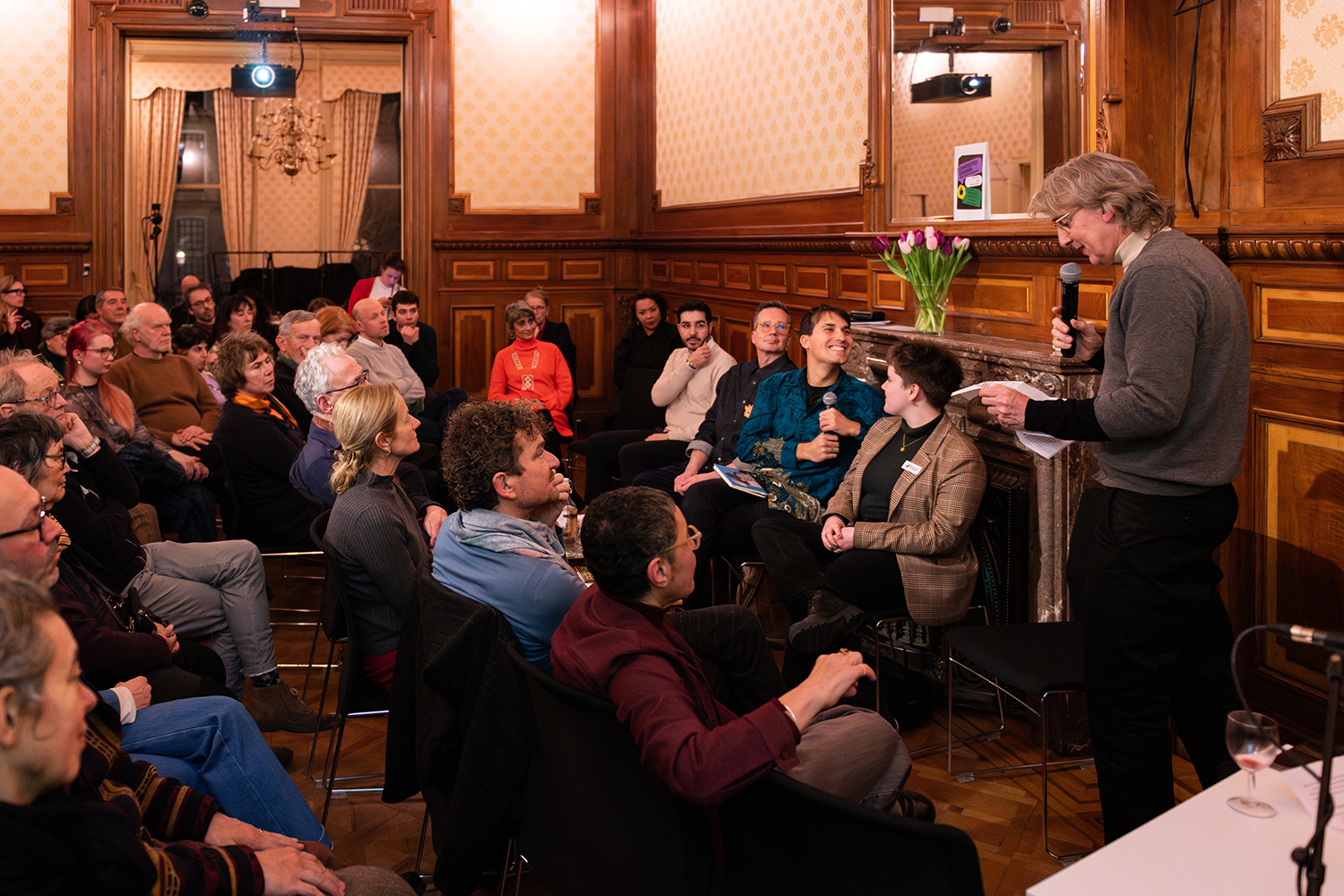
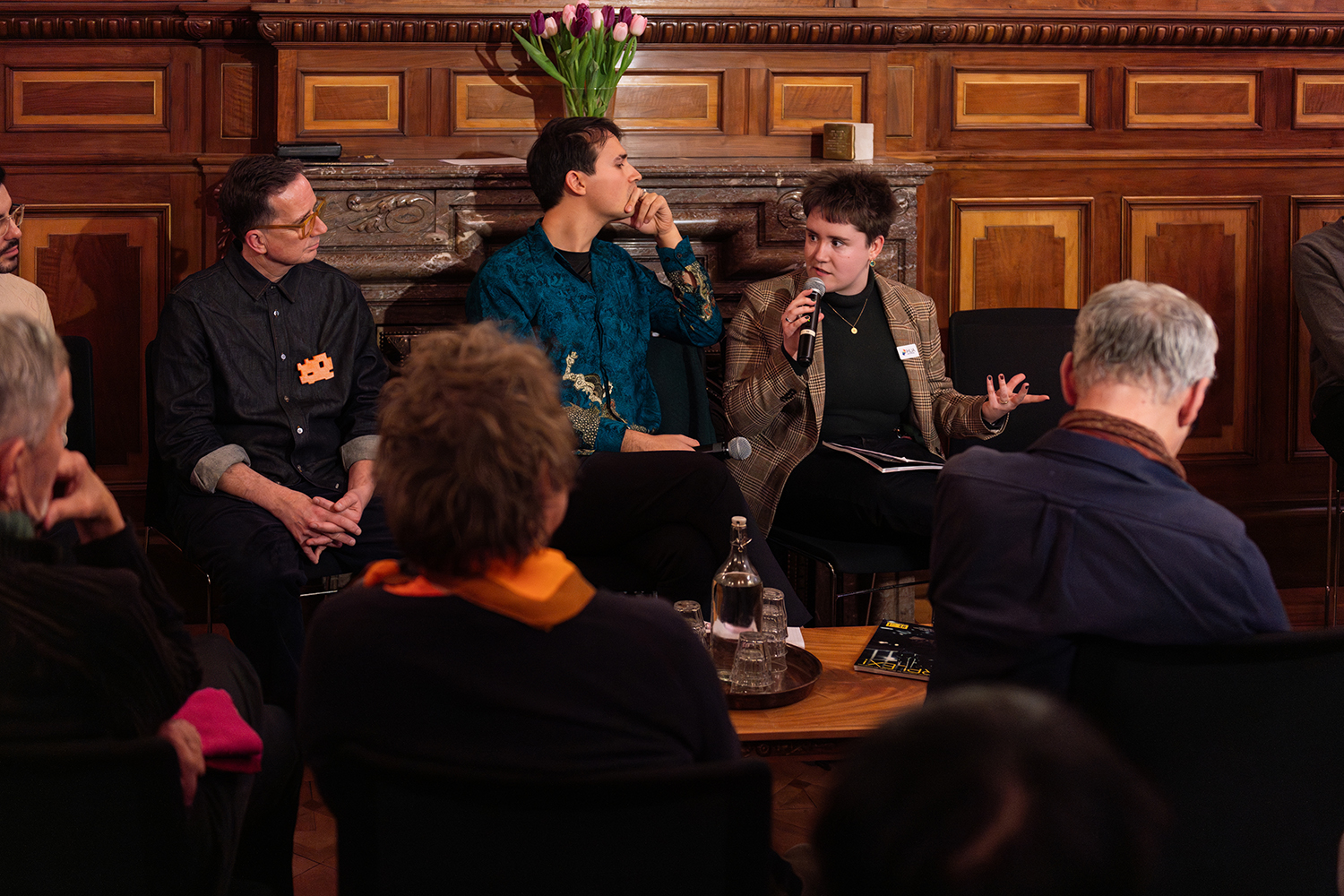
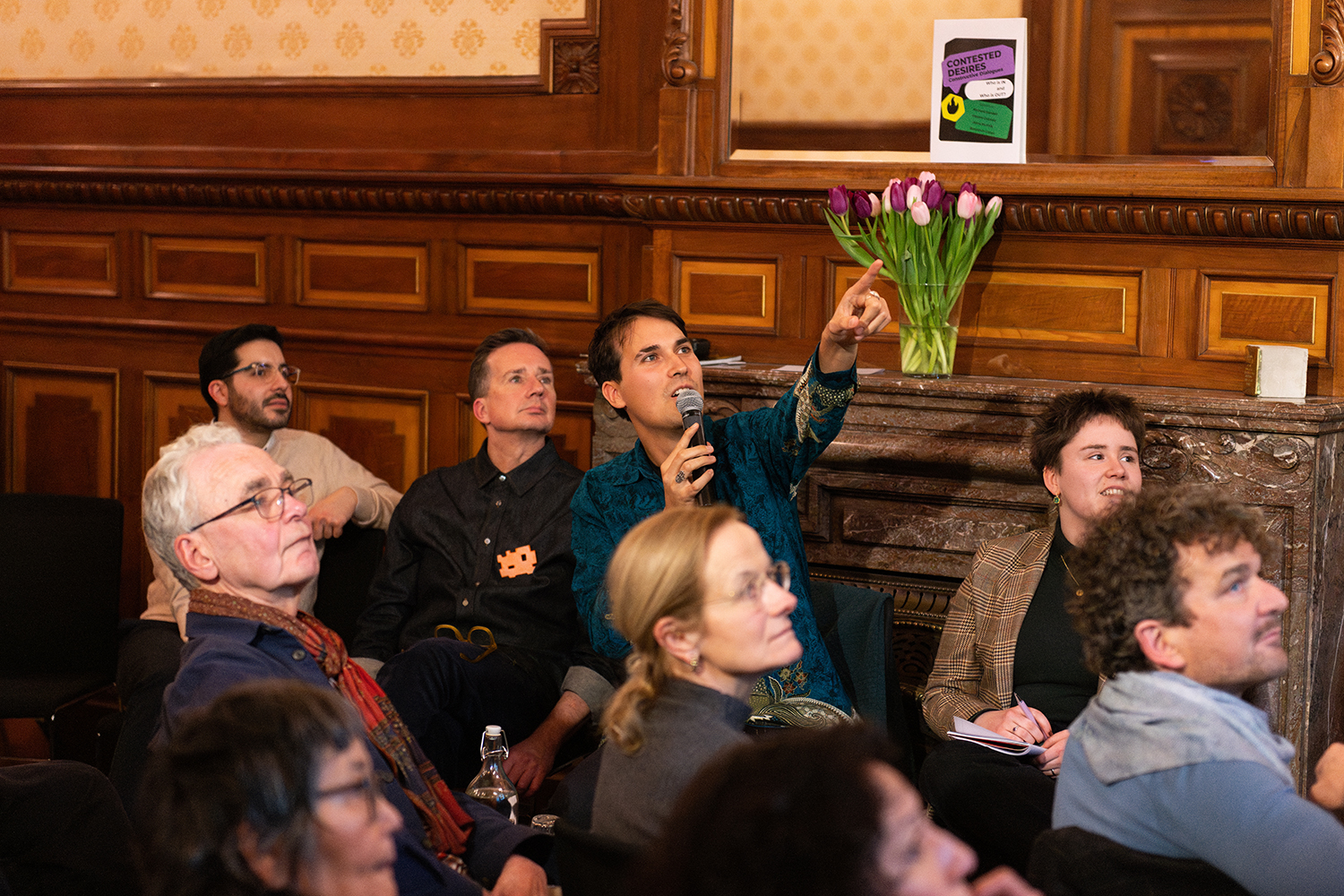
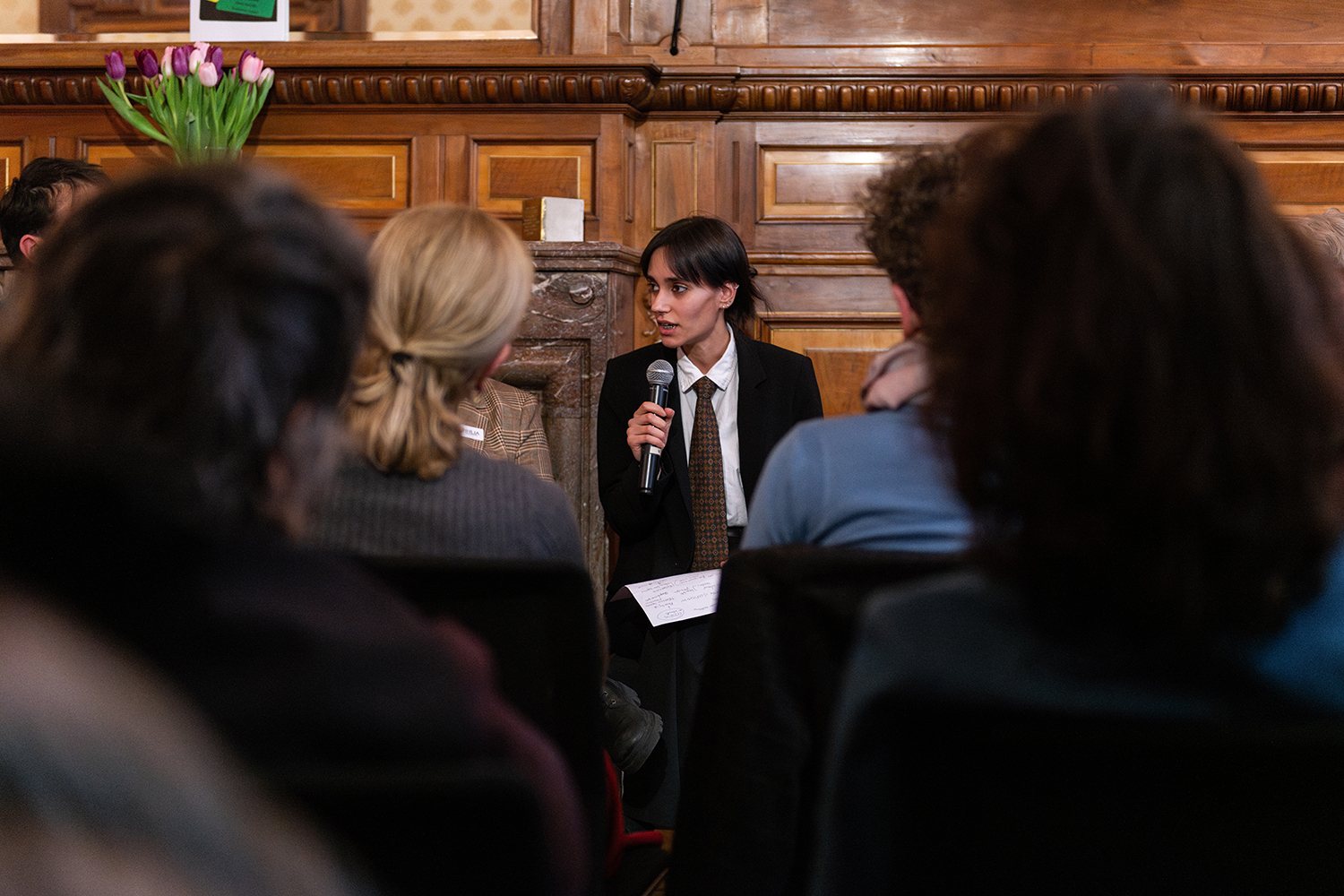
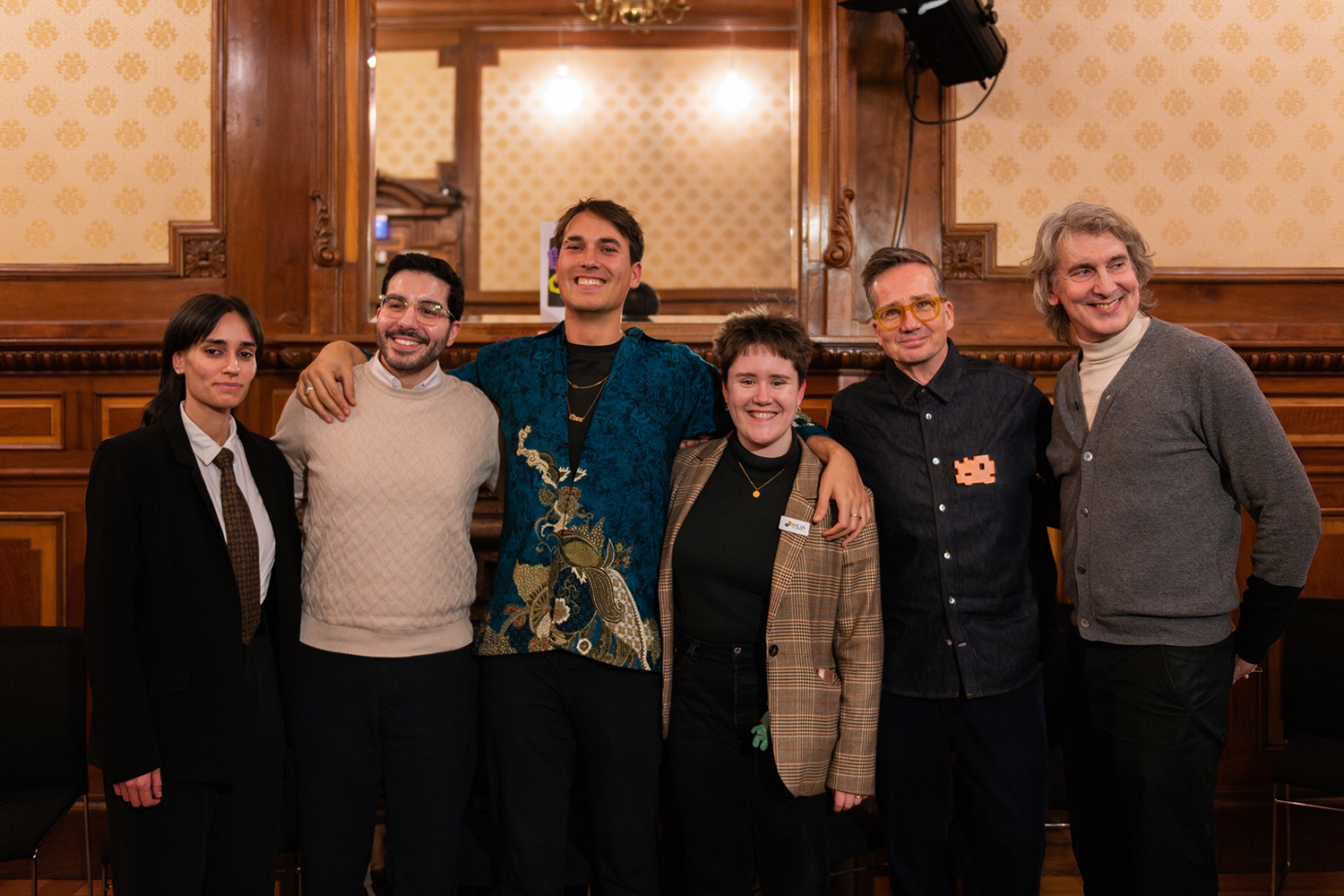
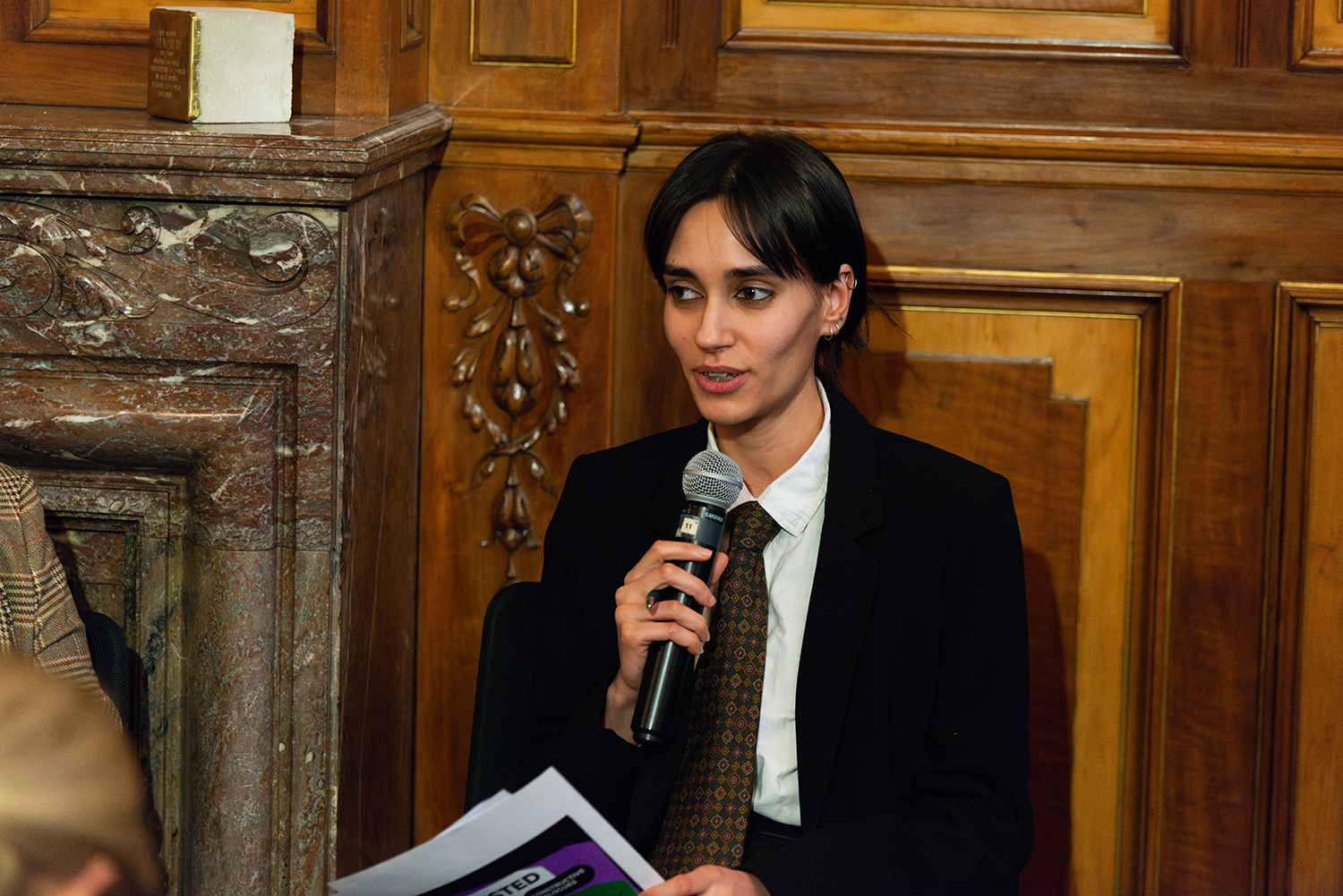
The first day of the capacity-building programme concluded in the evening with the public session Who is IN and who is OUT, which brought together artists, cultural practitioners, and activists to explore queer visibility and decolonial memory, and to reconsider culture as a space for inclusion, repair, and transformation. The session featured contributions from Alma Hunnik (IHLIA Archive / LGBTI Heritage), Benjamin Caton (Decolonial Indonesian Dutch Commemoration), and Richard Sandell and Cesare Cuzzola (Research Centre for Museums and Galleries, University of Leicester). The evening started with a screening of Permissible Beauty, a production by RCMG, followed by drinks with the audience.
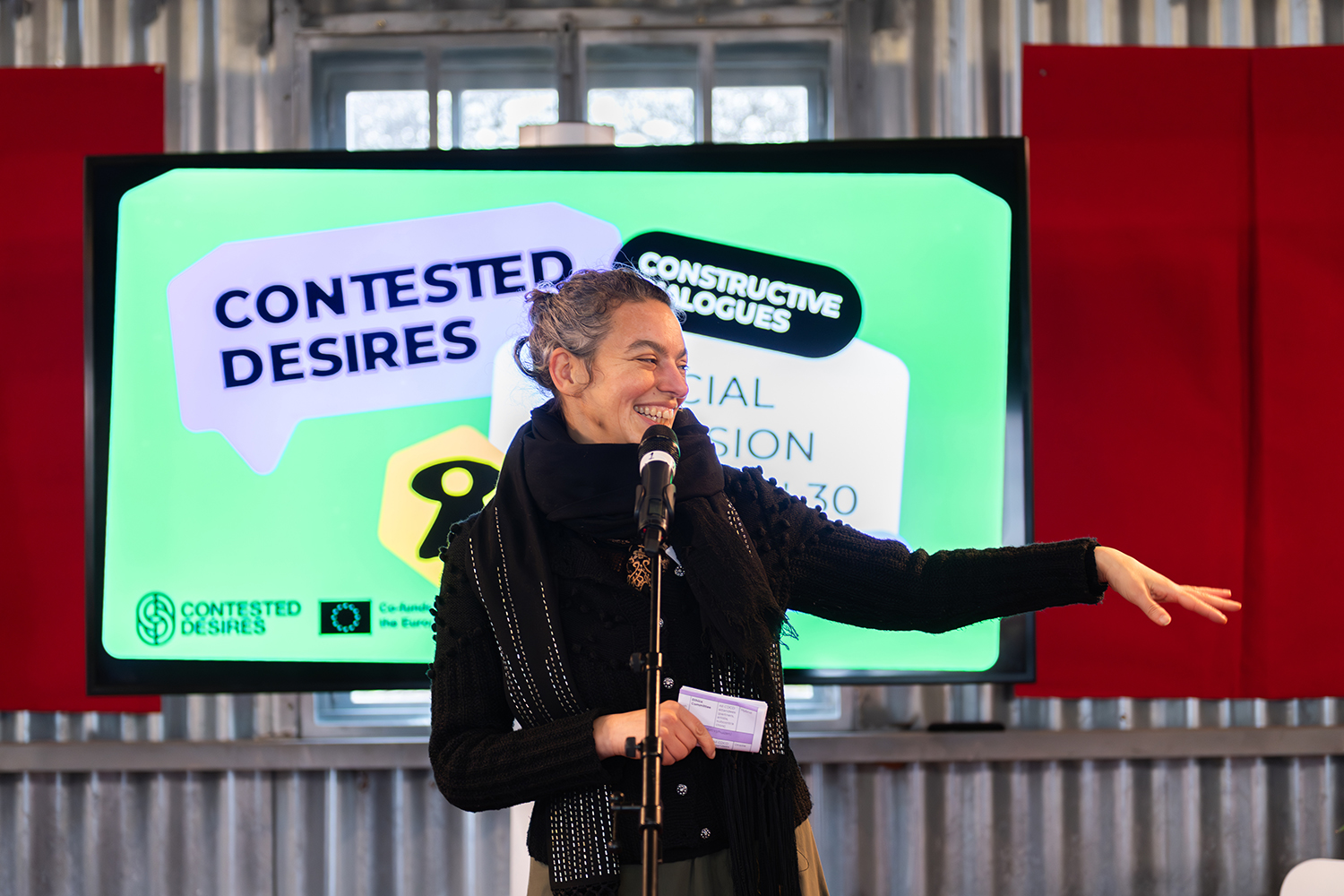
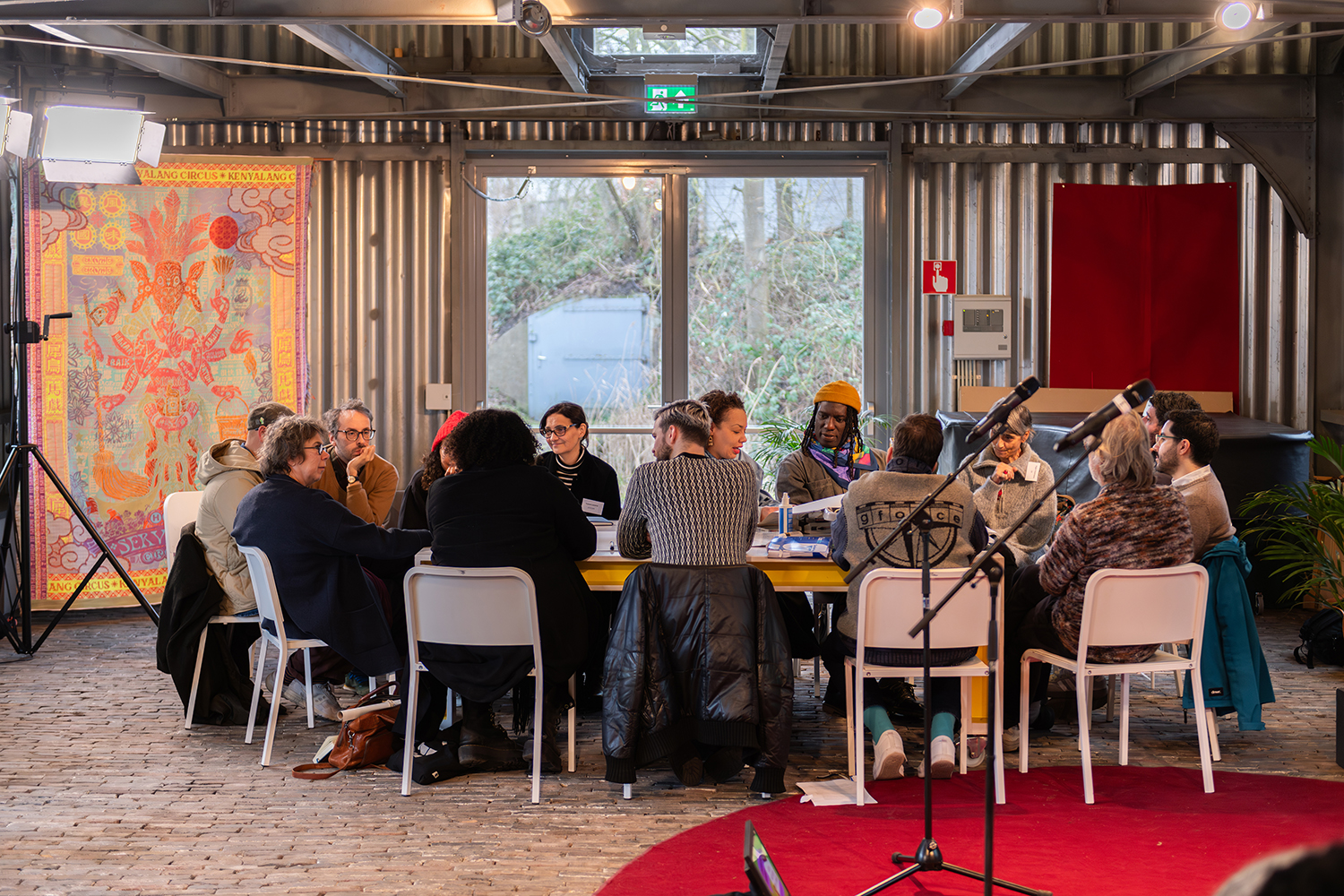
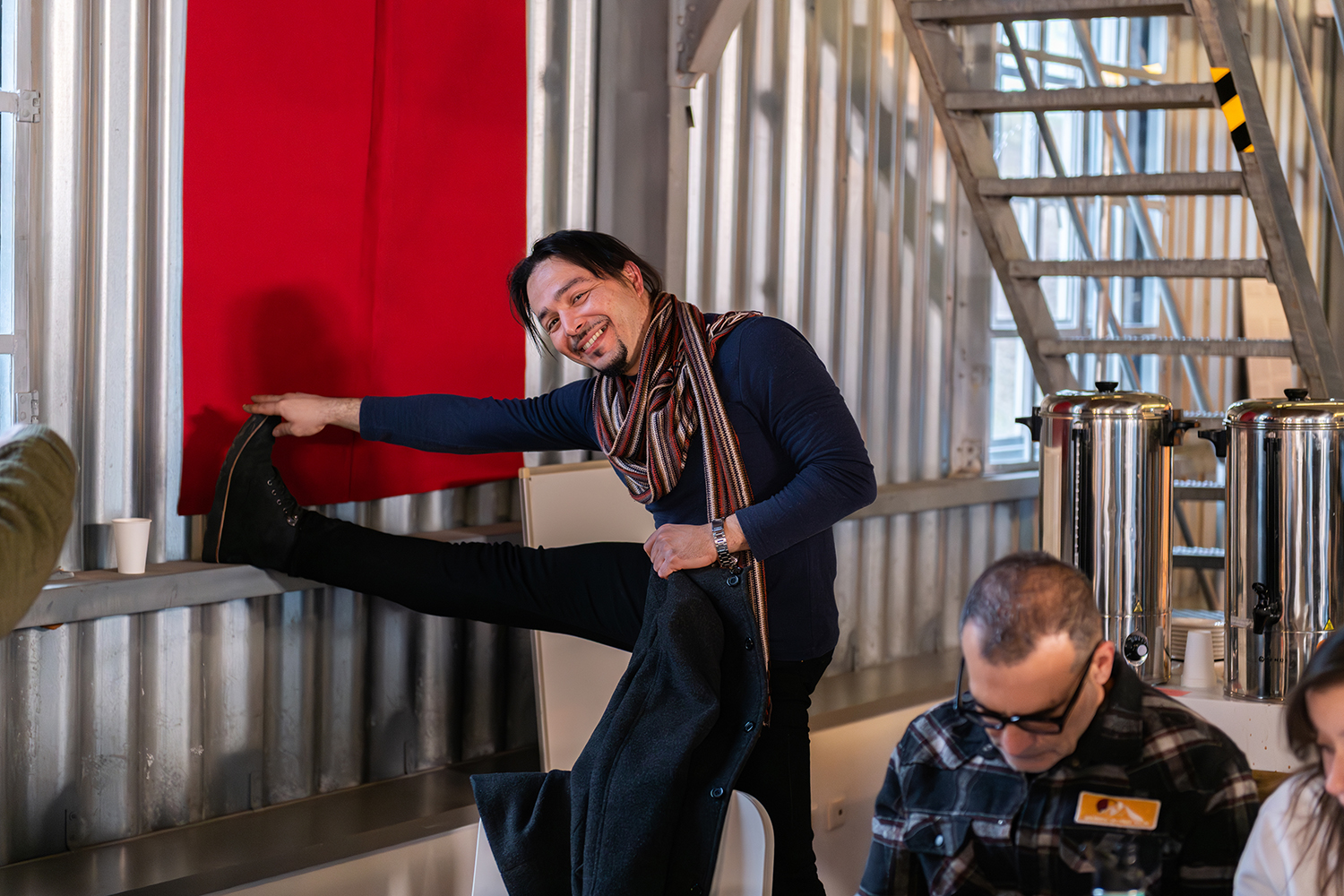
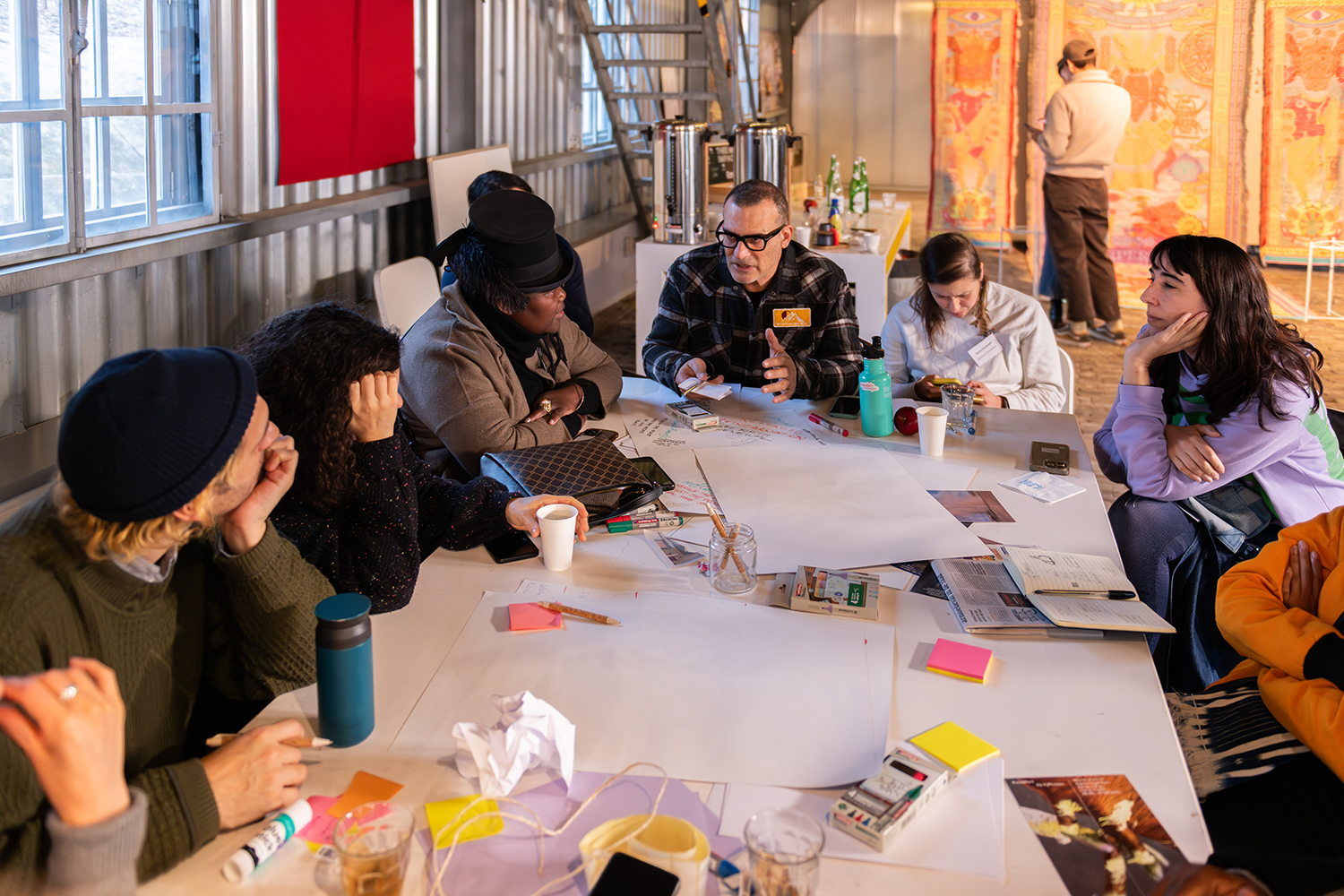
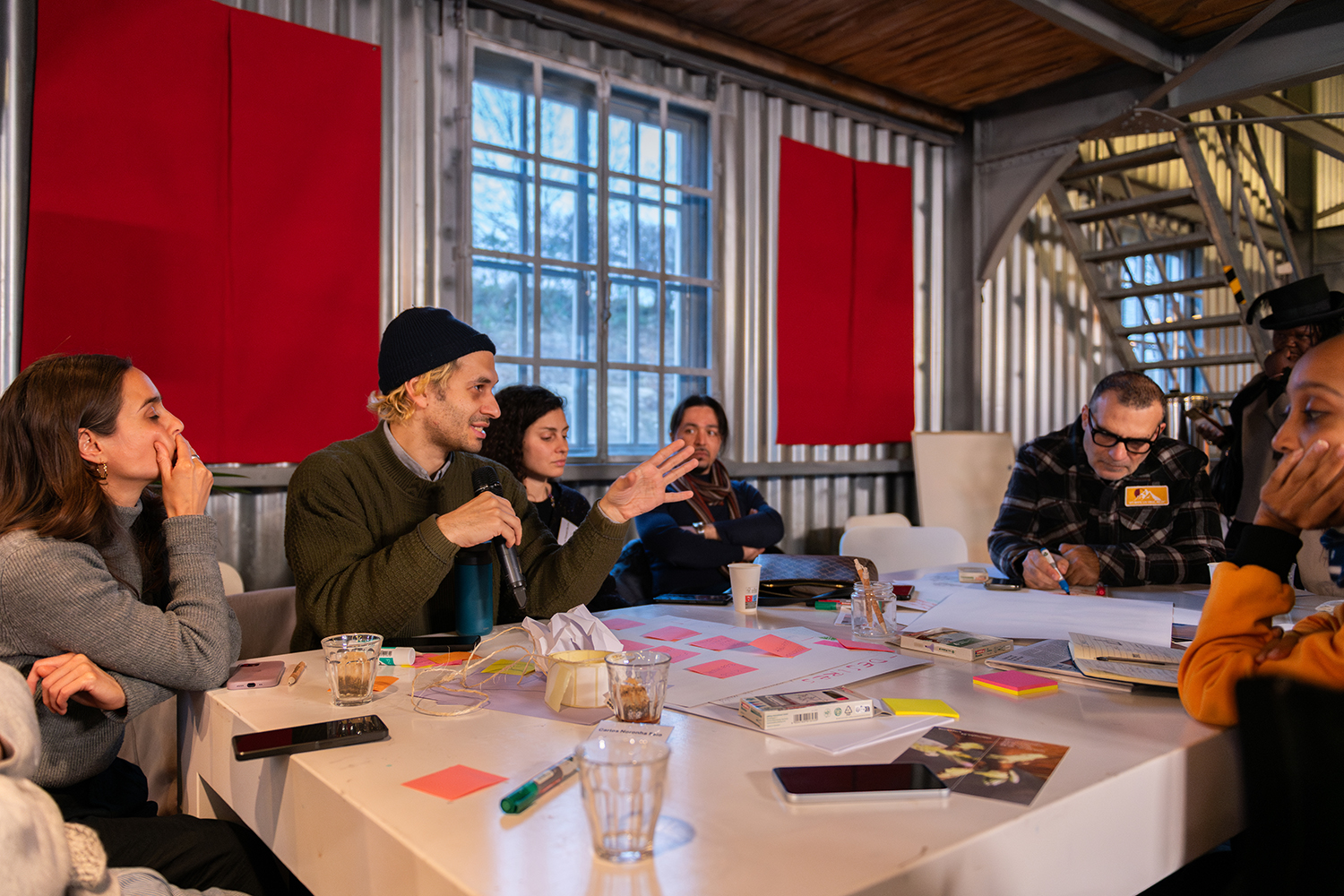
The second day of the event took place at Kunstfort Vijfhuizen, with online participation as well. The programme opened with welcoming remarks by Rabiaâ Benlahbib, who introduced the history of the heritage site and its transformation into a cultural centre. This was followed by a session led by ECCOM focusing on the project’s impact and legacy beyond CDCD, including an evaluation of progress and reflections on achievements to date. In parallel, a closed session entitled Dealing with Power was held for CDCD partners and artists to address internal dynamics and relationships.
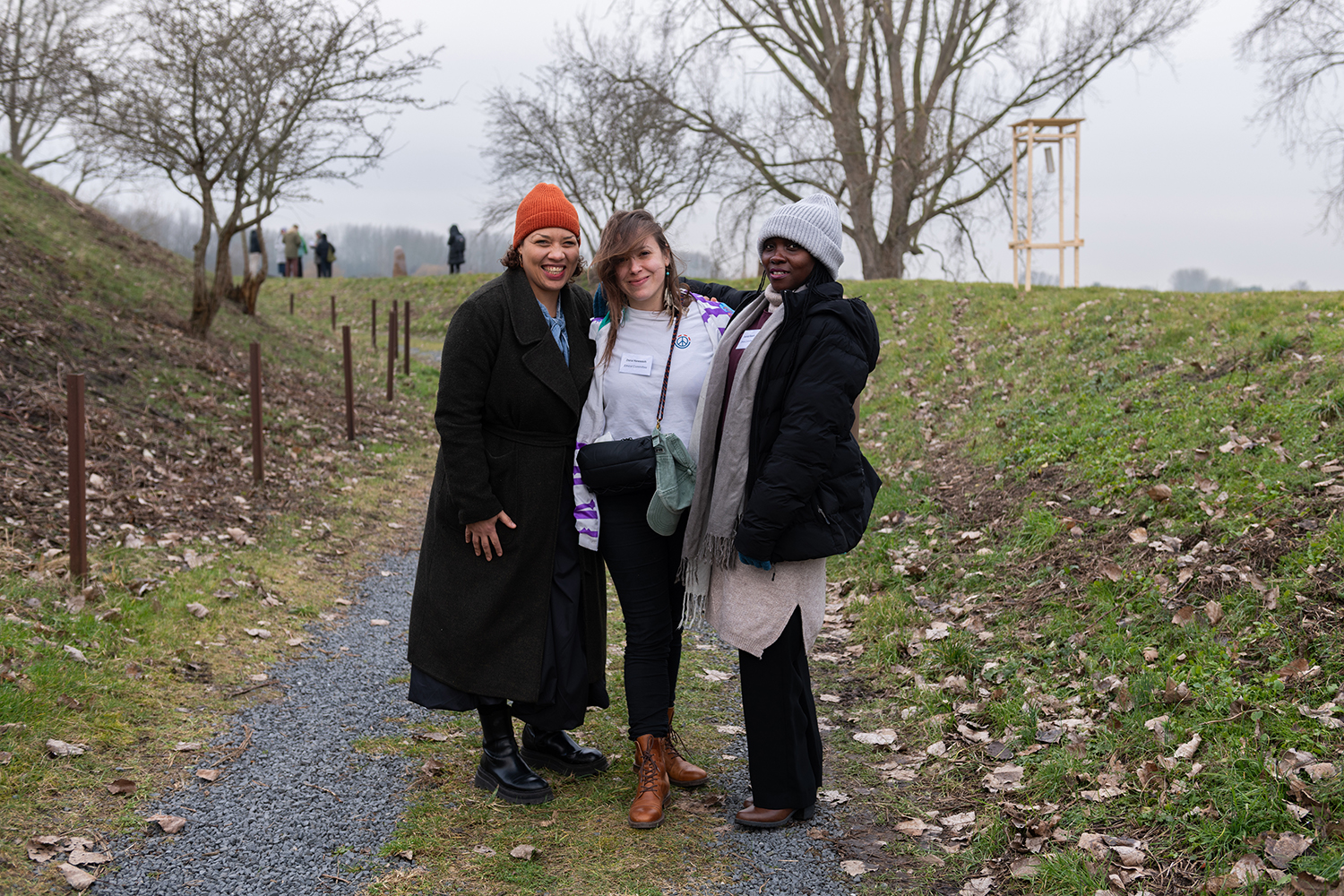
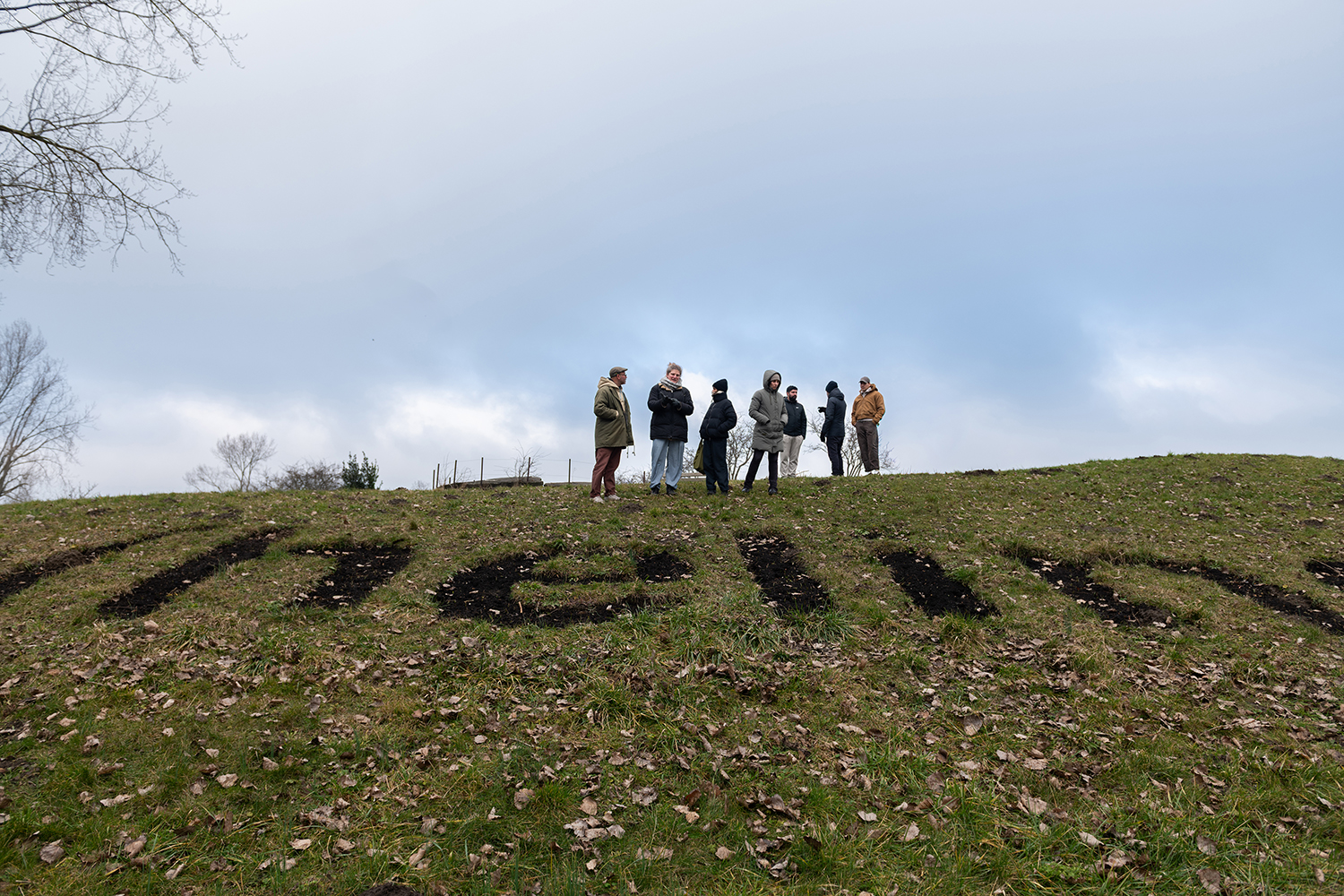
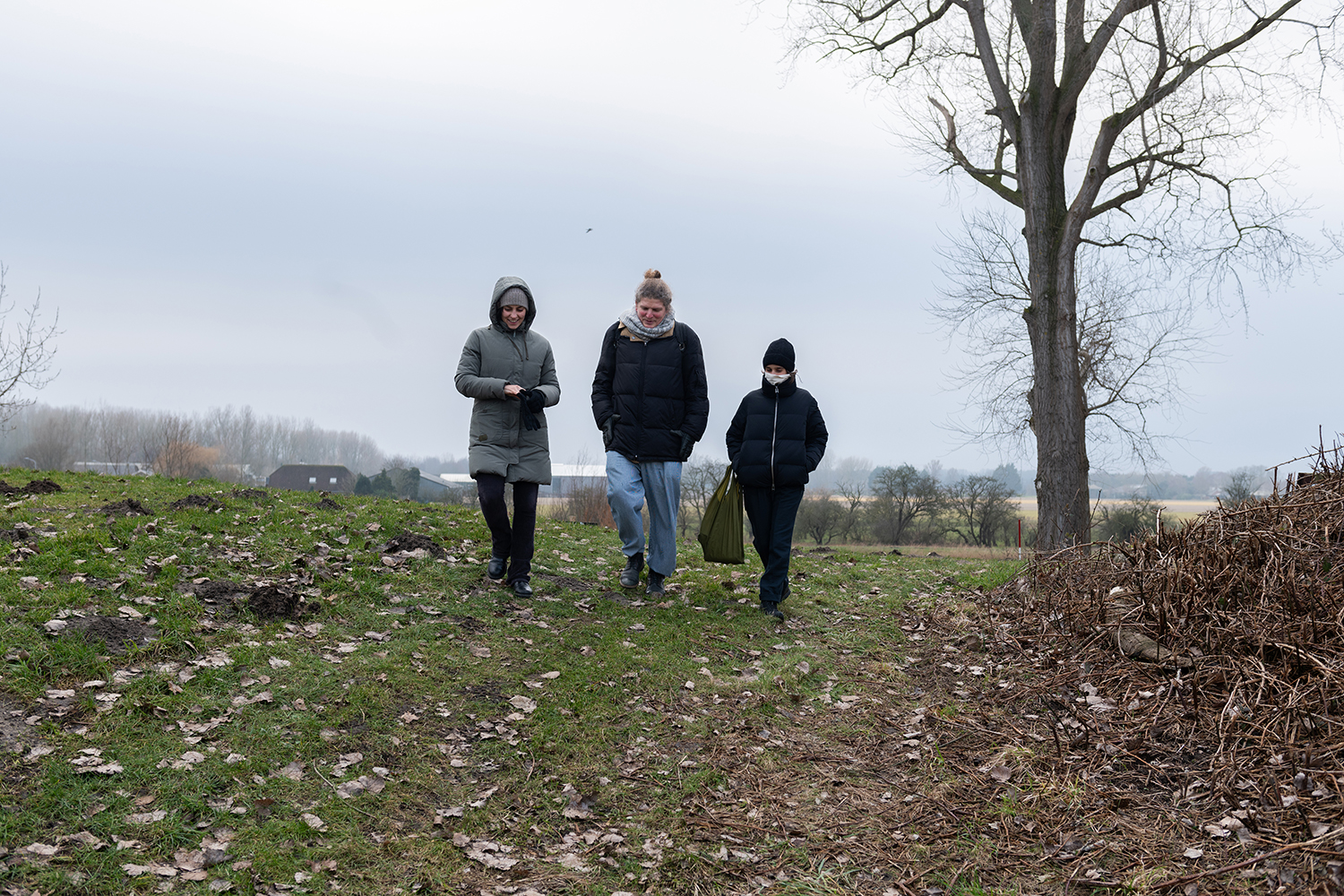
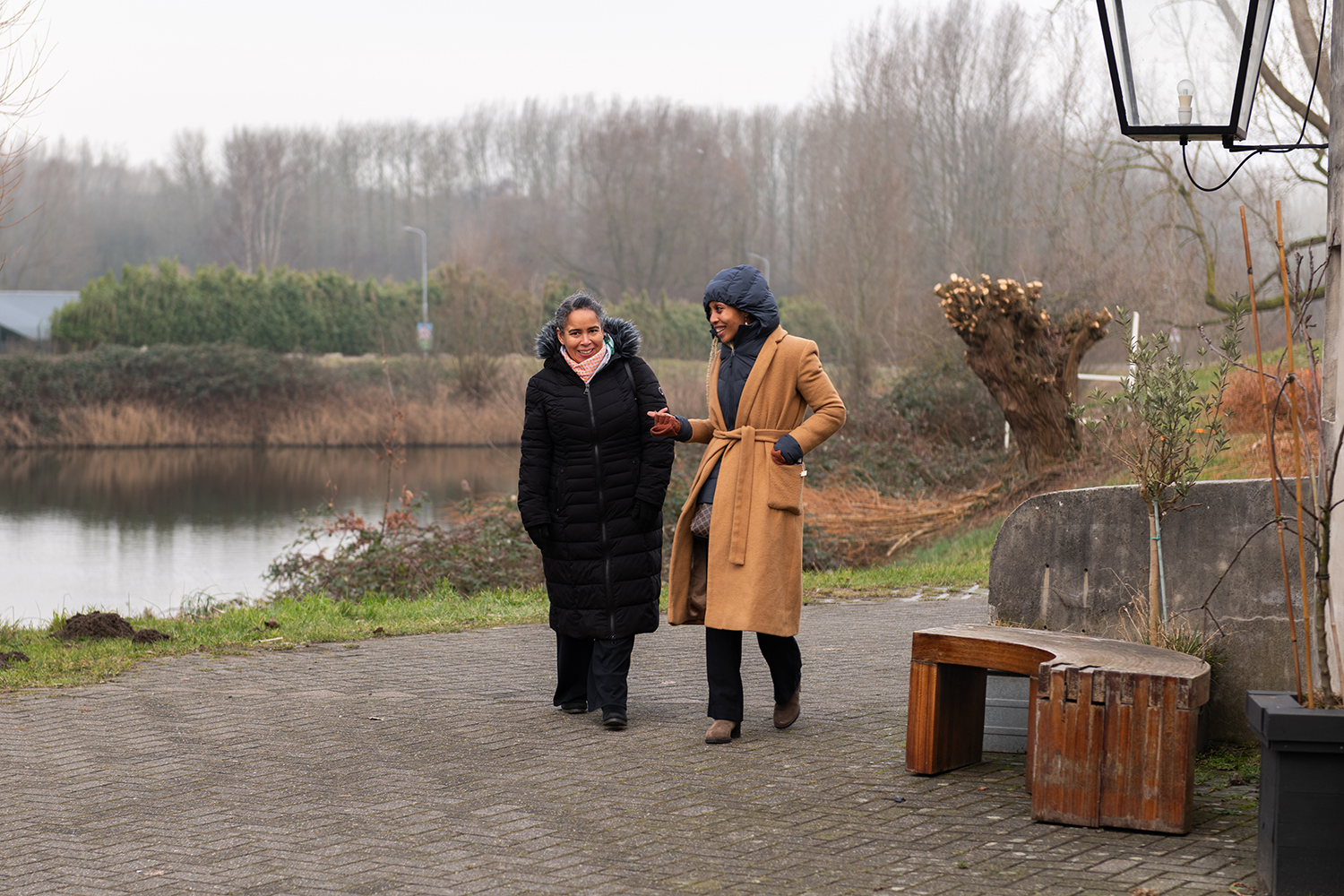
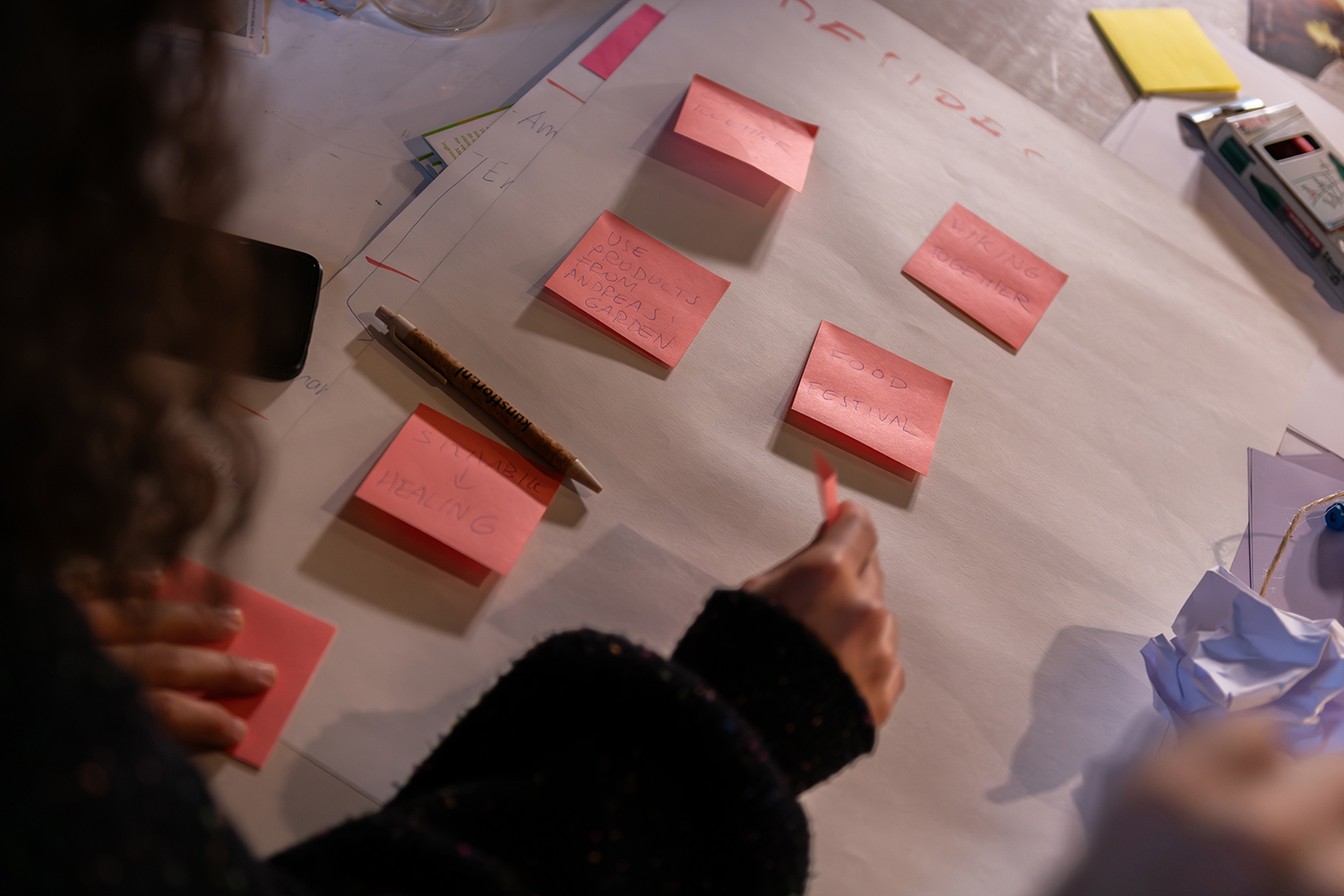
Subsequently, the Ethics Committee, Compass in Action, facilitated a session to test a shared ethical framework through collective sense-making, peer dialogue, and reflective practice, during which artists provided feedback on the CDCD project and suggestions for improvement. The programme continued with an exploratory walk during lunch, allowing participants to engage with the fort’s installations and view selected artworks presented on site. Among others, the two Dutch artists selected in the CDCD project, Charmaine de Heij and Sithabile Mlotshwa, had their works on show. The day concluded with a workshop focused on the upcoming Xarkis Festival and its current context in Cyprus, followed by farewell drinks and snacks, offering participants an opportunity to reflect informally on the programme as a whole.
Contested Desires: Constructive Dialogues is co-funded by the Creative Europe programme of the European Union and implemented in partnership with: D6:EU, Xarkis, La Bonne – Centre de Cultura de Dones Francesca Bonnemaison, Herengracht401, Museu Nacional de História Natural e da Ciência, Museo delle Civiltà, Pro Progressione, BJCEM – Association Biennale des Jeunes Créateurs de l’Europe et de la Méditerranée, Museo Egizio (Turin), Creative Court, and La Fabrique Art Studio.
Associated Partners: D6: Culture in Transit, Larnaka 2030 – European Capital of Culture Candidate City, Cyprus University of Technology, Fondazione Scuola dei Beni e delle Attività Culturali, Casa Árabe.
In collaboration with: Nubuke Foundation, Museo de la Memoria y los Derechos Humanos, and the Research Centre for Museums and Galleries – University of Leicester.
If the first version is too long, which is the one provided by H401 with only a few corrections, I include below a more concise version of the text.
The first day of the capacity-building programme included welcoming remarks by Frans Damman (H401), a presentation by Nancy Jouwe on social inclusion in Dutch (post)colonial discourse, and a session by Richard Sandell and Cesare Cuzzola examining cultural inclusion and its limitations, drawing on Black and queer heritage projects. Discussions, artist-led sessions, and podcast interviews followed. The day concluded with the public session Who is IN and who is OUT, featuring contributions from Alma Hunnik, Benjamin Caton, and the RCMG team, including a screening of Permissible Beauty.
The second day took place at Kunstfort Vijfhuizen, opening with an introduction by Rabiaâ Benlahbib and a session by ECCOM on the project’s impact and legacy. A parallel closed session addressed internal dynamics among partners and artists. The Ethics Committee, Compass in Action, facilitated a session on a shared ethical framework, followed by an exploratory walk and presentations of artworks, including those by Charmaine de Heij and Sithabile Mlotshwa. The programme concluded with a workshop on the upcoming Xarkis Festival in Cyprus and closing drinks.
Contested Desires: Constructive Dialogues is co-funded by the Creative Europe programme of the European Union and implemented in partnership with: D6:EU, Xarkis, La Bonne – Centre de Cultura de Dones Francesca Bonnemaison, Herengracht401, Museu Nacional de História Natural e da Ciência, Museo delle Civiltà, Pro Progressione, BJCEM – Association Biennale des Jeunes Créateurs de l’Europe et de la Méditerranée, Museo Egizio (Turin), Creative Court, and La Fabrique Art Studio.
Associated Partners: D6: Culture in Transit, Larnaka 2030 – European Capital of Culture Candidate City, Cyprus University of Technology, Fondazione Scuola dei Beni e delle Attività Culturali, Casa Árabe.
In collaboration with: Nubuke Foundation, Museo de la Memoria y los Derechos Humanos, and the Research Centre for Museums and Galleries – University of Leicester.